Why Choosing the Right Construction ERP Matters
Margins are razor-thin in contracting. If you're running multiple projects, tracking costs manually or on disconnected systems is a recipe for disaster. We've seen contractors lose up to 20% of their project margins due to billing errors and poor cost tracking.
The right ERP fixes this. But how do you find the one that fits your business?
1. Does It Solve Your Biggest Operational Problem?
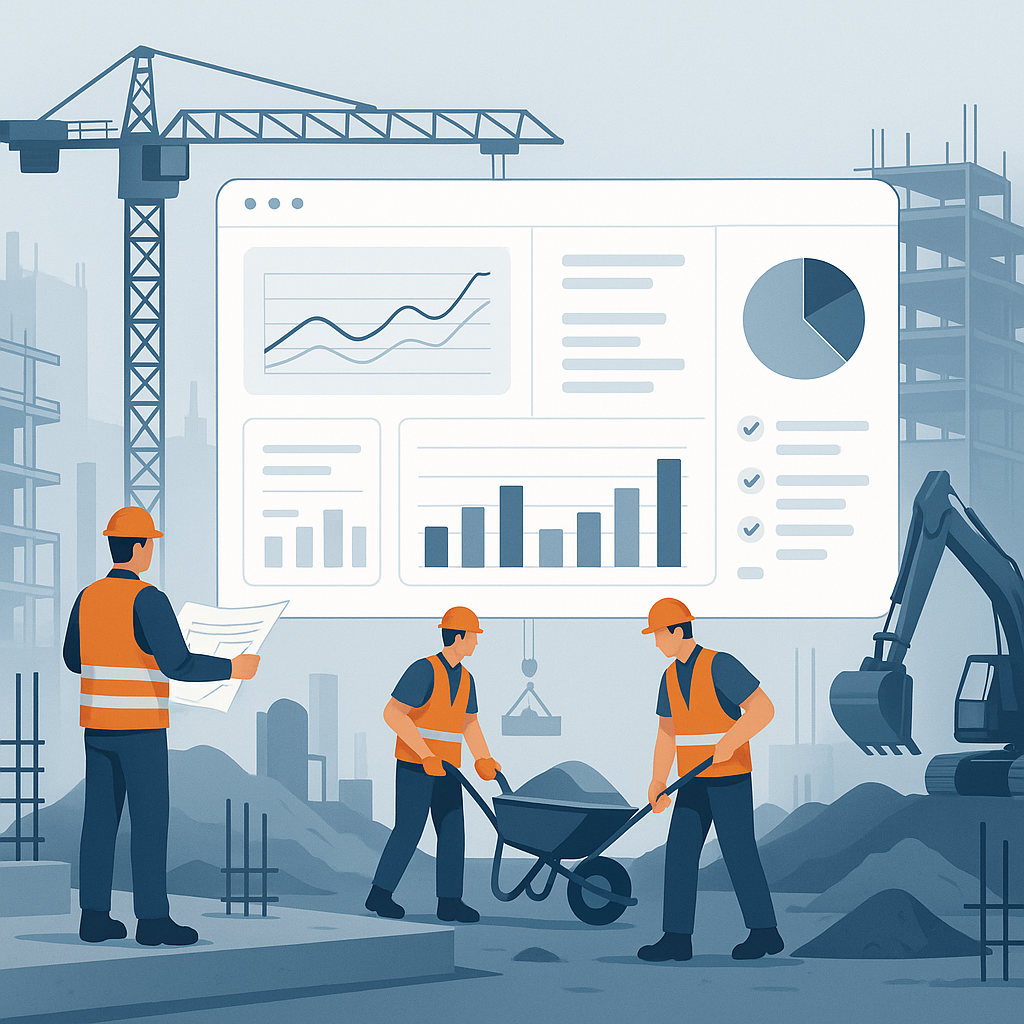
ERP isn’t one-size-fits-all. Before you even look at systems, identify what’s bleeding your margins. Is it poor cost tracking? Manual procurement chaos? Subcontractor overruns? If you’re losing money because you can’t track project profitability, look for ERP systems that give real-time visibility into costs.
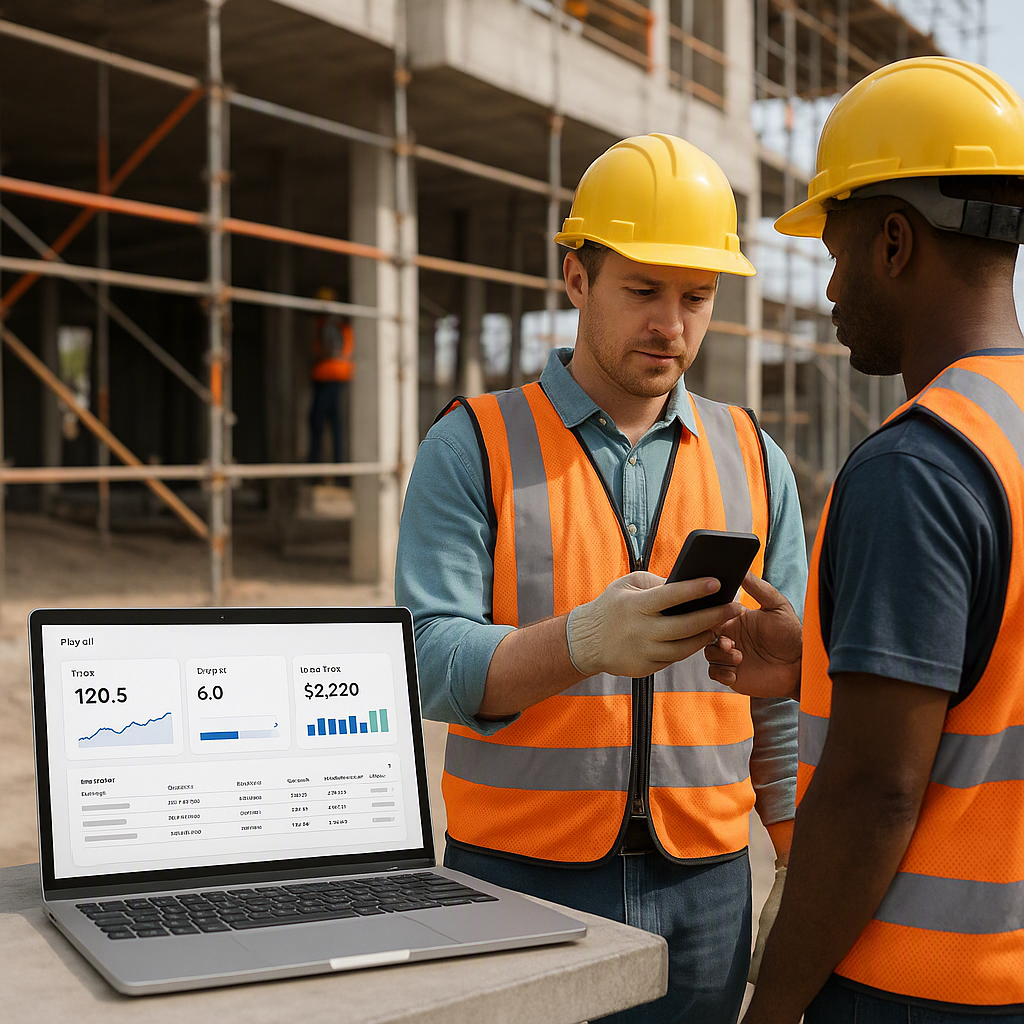
Take JobNext as an example. It lets contractors track costs live across BOQs, scopes, and estimates. No more waiting for the month-end to know if you're profitable.
2. Does It Work for Multi-Site Operations?
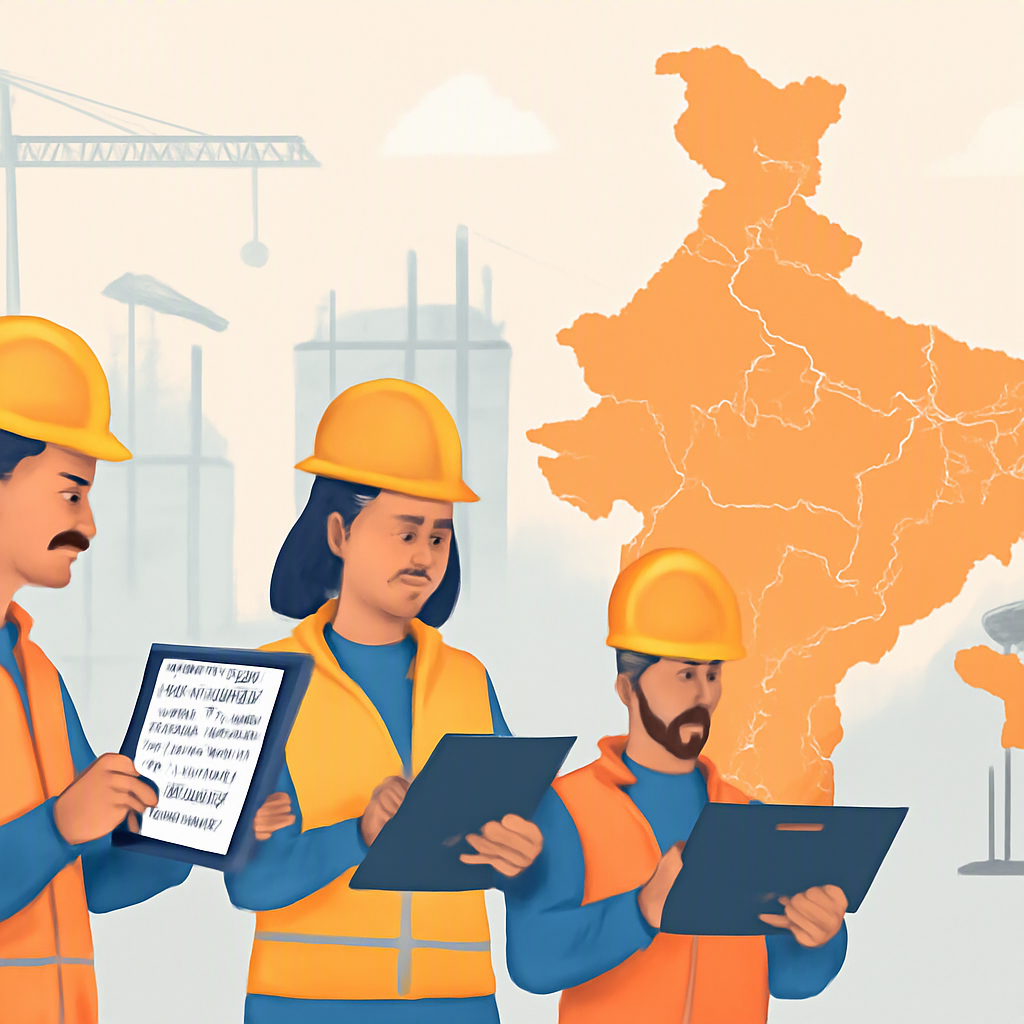
Construction companies don’t operate out of a single office. You need a system that works across sites, camps, and vendor locations. For instance, managing attendance and payroll for 500+ field workers is chaos if the system lacks multi-site support.
Good ERPs, like JobNext, solve this. They centralize attendance, payroll, leave tracking, and staff allocation across locations. That means no more chasing spreadsheets or losing track of statutory compliance like PF or ESIC deductions.
3. How Well Does It Handle Procurement?
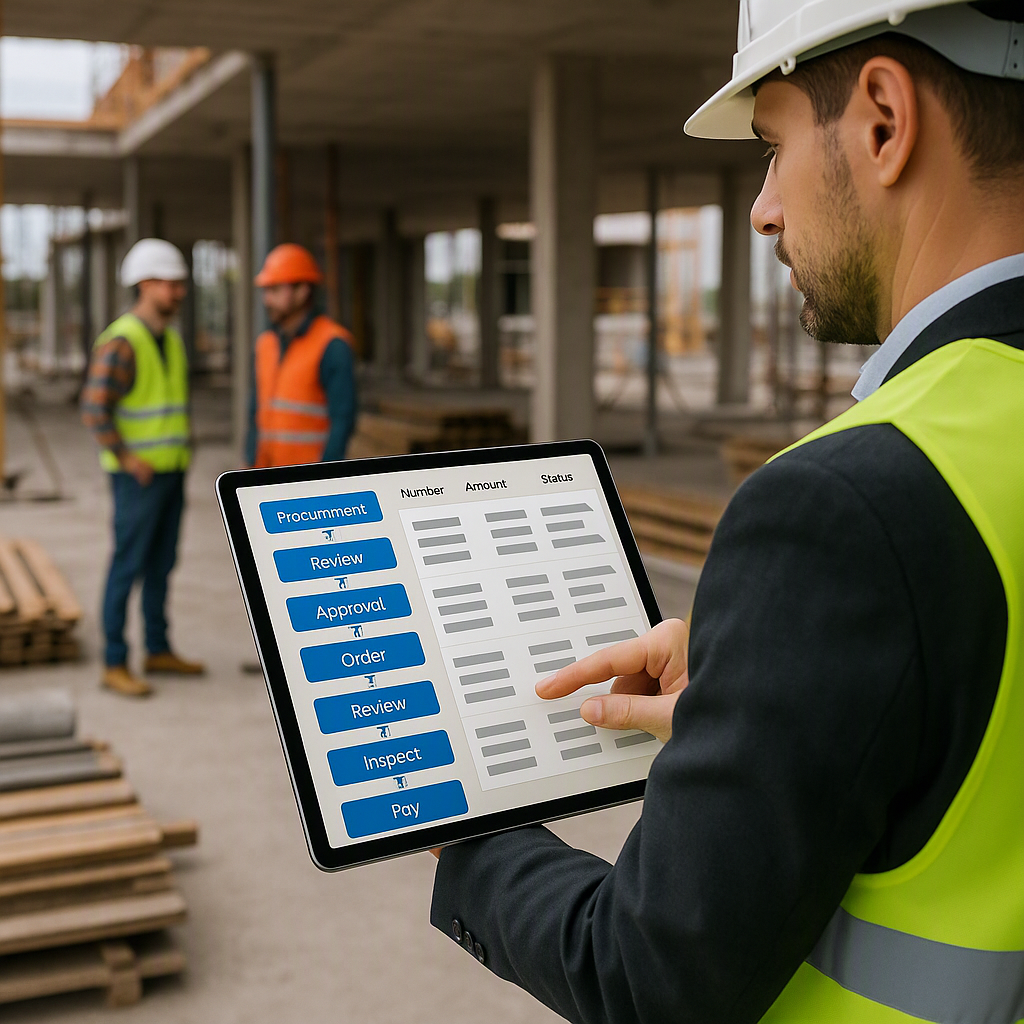
Manual procurement workflows are a nightmare. If you're still stuck on Excel for managing MRs, RFQs, POs, and vendor offers, you're wasting time and money. The best ERPs offer structured workflows with approval chains at every step.
For example, JobNext’s procurement module streamlines the entire process — from MR creation to vendor finalization and PO issuance. It eliminates errors and lets you track material costs to the last rupee.
4. Can It Handle Complex Billing Methods?
Construction billing isn’t simple. RA Bills, stage-wise billing, monthly billing — every project has its quirks. If your ERP doesn’t support multiple billing methods, you’re risking revenue leakage.
JobNext offers six billing methods, ensuring nothing falls through the cracks. Whether it’s supply BOQ billing or combined invoicing, the system has a method for it. Here’s how it works.
5. Is It Built for Construction?
Generic ERPs won’t cut it for contractors. You need a system designed for construction workflows. Look for features like BOQ hierarchy setup, subcontractor management, and equipment lifecycle tracking. If an ERP tries to shoehorn manufacturing workflows into your contracting business, walk away.
Final Thoughts
Choosing an ERP isn’t just about ticking boxes. It’s about finding a system that fits your business and solves real problems. Focus on operational pain points, multi-site support, and industry-specific features. And don’t forget to test it thoroughly before committing.
Want to see how JobNext handles these challenges? Take a look.
Ready to see JobNext in action?
Multi-tenant SaaS ERP for construction, facilities management, and contracting — covering preconstruction, project execution, procurement, HR & payroll, equipment, finance, and 150+ analytics reports.
Get Started Free →Learn more at JobNext.ai