Why Most Contractors Struggle with ERP Selection
Margins in construction are razor-thin. If you're managing multiple projects, every rupee—or dirham—matters. But here's the truth: most contractors in the UAE lose up to 20% of their margins because their systems can't keep up. Spreadsheets? Outdated. Disconnected tools? A nightmare. So, how do you avoid the trap of picking the wrong ERP?
The answer: Ask the right questions. Not the generic ones vendors love to answer—like "Do you support cloud?"—but the ones that reveal whether their solution will solve your specific pain points. Let's break this down.
1. Can It Track Real-Time Project Profitability?
Here’s the problem: Most contractors don’t realize they’re bleeding money until it’s too late. You might think your project is on budget, but without real-time tracking, you're flying blind. With material costs fluctuating and labor overruns happening daily, you need an ERP that tracks costs live—down to the last BOQ line item.
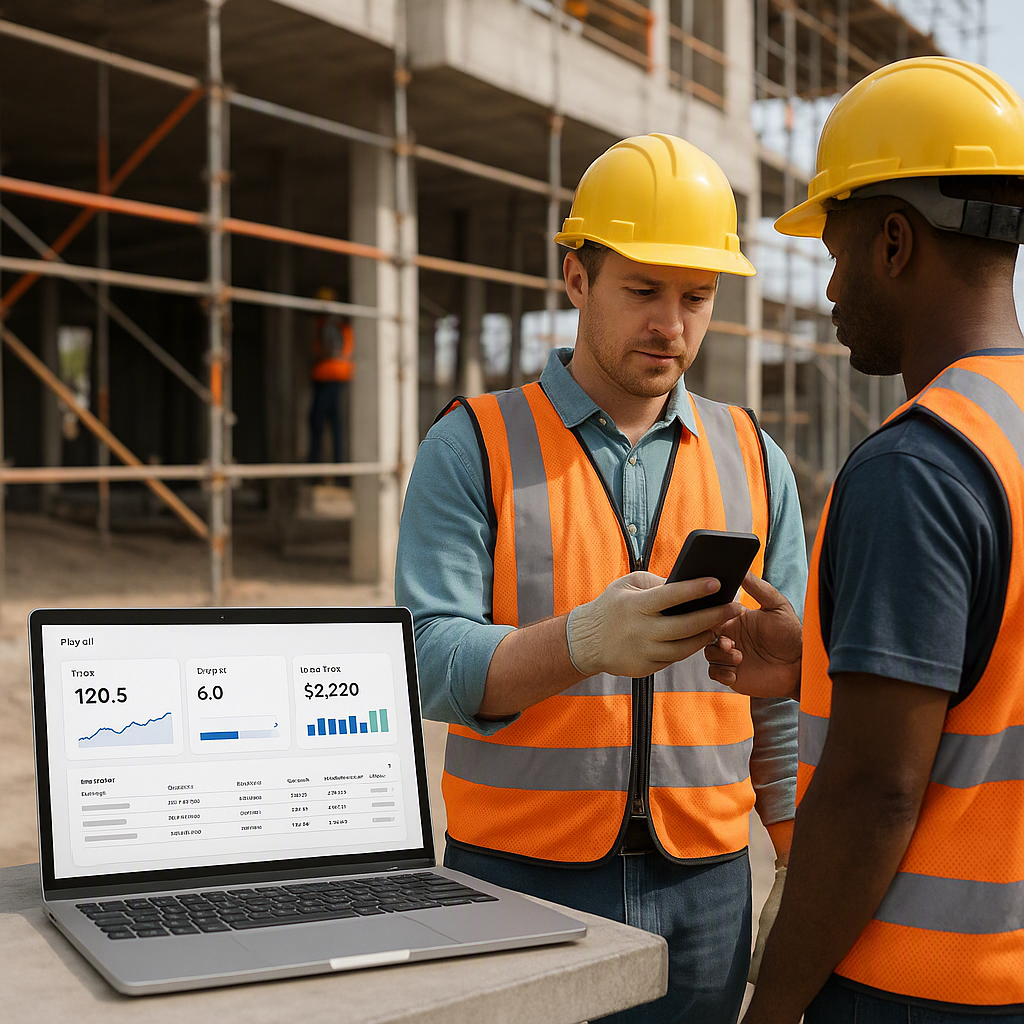
For example, JobNext provides real-time dashboards showing profitability by project, scope, and even specific BOQ items. Why does this matter? Because spotting a margin dip today is better than discovering it six months later when your books are closed.
If your ERP can’t do this, cross it off your list.
2. Does It Handle Complex Billing Methods?
Revenue leakage is the silent killer of construction businesses. Miss one RA bill or forget a stage-wise milestone, and your cash flow takes a hit. Contractors in the UAE often juggle six billing types—RA, stage-wise, monthly, supply BOQ, combined, and one-time. Can your ERP handle all of these?
A good ERP doesn’t just automate invoicing; it ensures nothing falls through the cracks. Systems like JobNext simplify this with pre-built templates for all six billing types, ensuring accuracy and compliance every time. Check this detailed guide on how cloud ERPs prevent revenue leakage.
3. How Well Does It Manage Multi-Site Attendance and Payroll?
If you have workers scattered across 10+ sites, payroll becomes a monthly headache. Who clocked in? Which site was understaffed? Did everyone get paid the right rate? Without a system that integrates attendance and payroll, manual errors are inevitable.
The best construction ERPs simplify this chaos. They integrate biometric attendance, site-level allocations, and automated payroll calculations—even factoring in GCC-specific compliance like WPS. JobNext, for instance, handles multi-site payroll seamlessly, saving contractors hours every week.
4. Is Procurement Actually Streamlined?
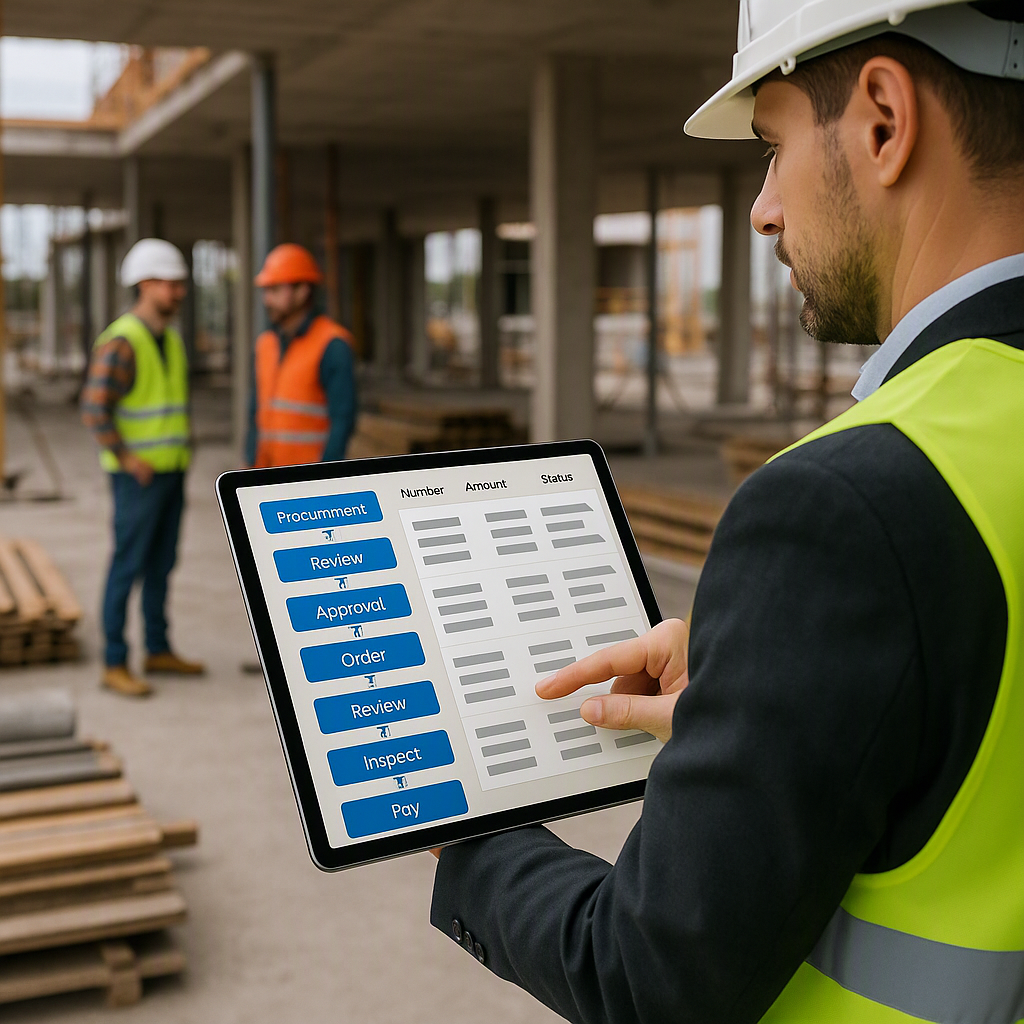
Procurement chaos is another margin killer. If your material requisition (MR) process is a mess, expect cost overruns and project delays. The right ERP should give you a structured workflow—MR → RFQ → Vendor Offers → PO—without endless back-and-forths.
JobNext’s procurement module, for example, lets contractors manage approvals at every step, ensuring no surprises when vendor invoices arrive. Learn more here.
5. Does It Support Local Compliance?
In the UAE, compliance isn’t optional. Whether it’s WPS for payroll, VAT for invoicing, or GCC-specific labor laws, your ERP must handle these requirements natively. If it doesn’t, you’ll end up juggling third-party tools, which defeats the purpose of having an ERP in the first place.
For example, JobNext integrates VAT-ready invoicing and WPS-compliant payroll out of the box. This isn’t a "nice-to-have"—it’s a dealbreaker.
Final Thoughts
Choosing the best construction ERP isn’t about picking the flashiest software. It’s about solving real problems—margin erosion, disconnected processes, compliance headaches. If you’re evaluating ERPs, start with these five questions. And don’t settle for generic answers. Ask for demos. Test real-world scenarios. Your margins depend on it.
For a deeper dive into how cloud ERP systems like JobNext can prevent profit leaks and streamline operations, check out this guide.
Ready to explore more? Visit JobsNext.ai for detailed guides and insights on construction workforce management.
Ready to see JobNext in action?
Multi-tenant SaaS ERP for construction, facilities management, and contracting — covering preconstruction, project execution, procurement, HR & payroll, equipment, finance, and 150+ analytics reports.
Get Started Free →Learn more at JobNext.ai