Why Choosing the Right Construction ERP Matters
If you’re a contractor juggling multiple projects, you already know how chaotic things can get. Material orders delayed, subcontractor billing disputes, payroll errors—the list goes on. The right ERP system doesn’t just organize chaos; it prevents it. But with so many options out there, how do you pick one?
The Problem Most Contractors Miss: Subcontractor Cost Overruns
Let’s start with one of the biggest pain points—subcontractor management. Most contractors still rely on spreadsheets and emails to track work orders, progress measurements, and payments. It works—until it doesn’t. Missed approvals, disputed measurements, or incomplete billing can easily add up to significant cost overruns.
Here’s a practical example: Imagine issuing a work order to a subcontractor. If the progress measurements aren’t tracked properly, you might end up overpaying—or worse, underpaying and delaying the project. Either way, it’s a mess you don’t want.
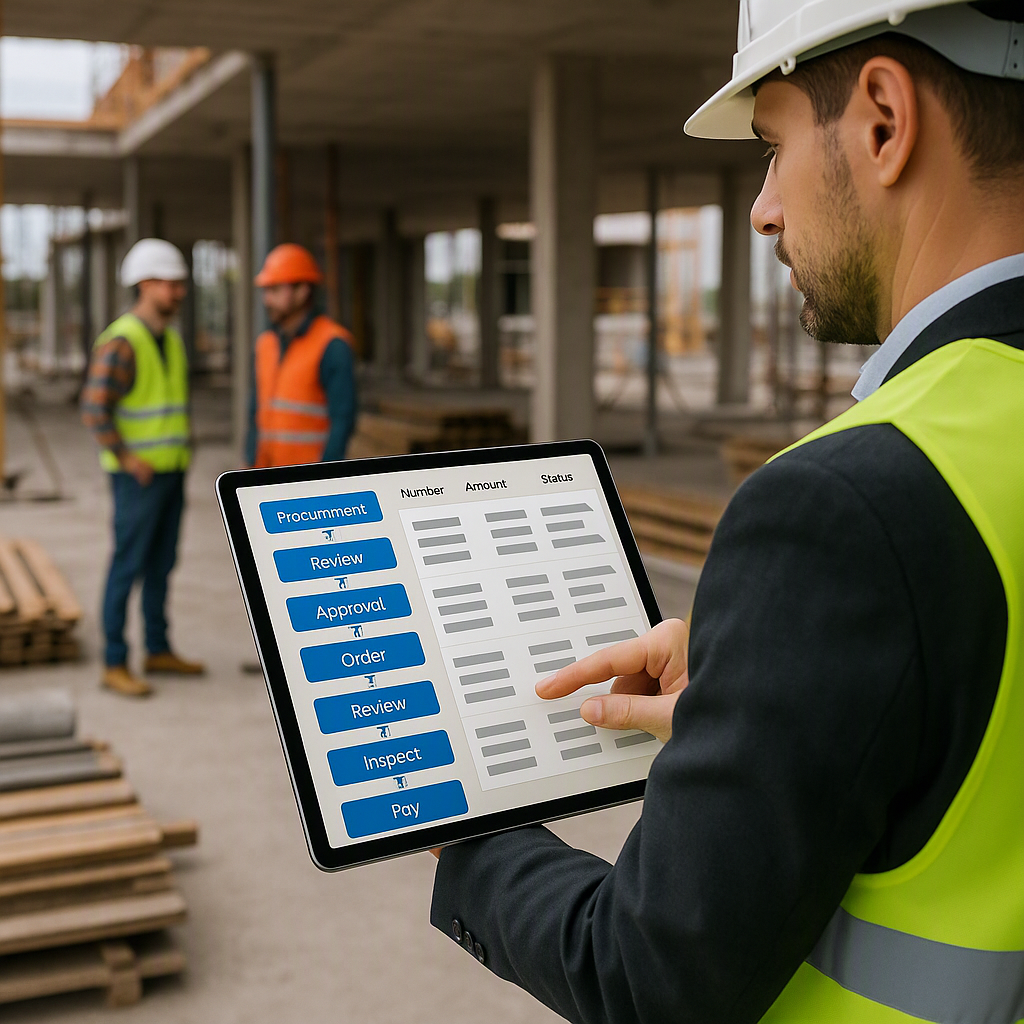
A good ERP system solves this by integrating the entire subcontractor workflow. Platforms like JobNext let you raise work requisitions (WRs), circulate RFQs, and manage approvals—all in one place. Even better, they tie progress measurements directly to payments, so you’re always paying for exactly what’s completed.
Key Features to Look For
When evaluating construction ERPs, here are the must-haves:
1. Subcontractor Management
- Why It Matters: Subcontractor costs often account for a significant portion of project expenses. Mismanagement here can kill your margins.
- What to Look For: Look for systems that include detailed RFP workflows, measurement-based progress tracking, and multi-level approval chains. For example, JobNext provides a Comparative Statement feature that helps evaluate vendor offers side-by-side, ensuring you pick the best option.
2. Multi-Site HR and Payroll
- Why It Matters: Managing attendance, leave, and payroll for workers spread across multiple sites is a logistical nightmare.
- What to Look For: A robust ERP should include real-time attendance tracking, automated payroll calculations, and statutory compliance for both Indian and GCC regions. JobNext, for instance, supports PF, ESI, GST, and TDS compliance, reducing manual errors and audit risks.
3. Real-Time Cost Tracking
- Why It Matters: Without real-time visibility, you’re essentially guessing your project margins.
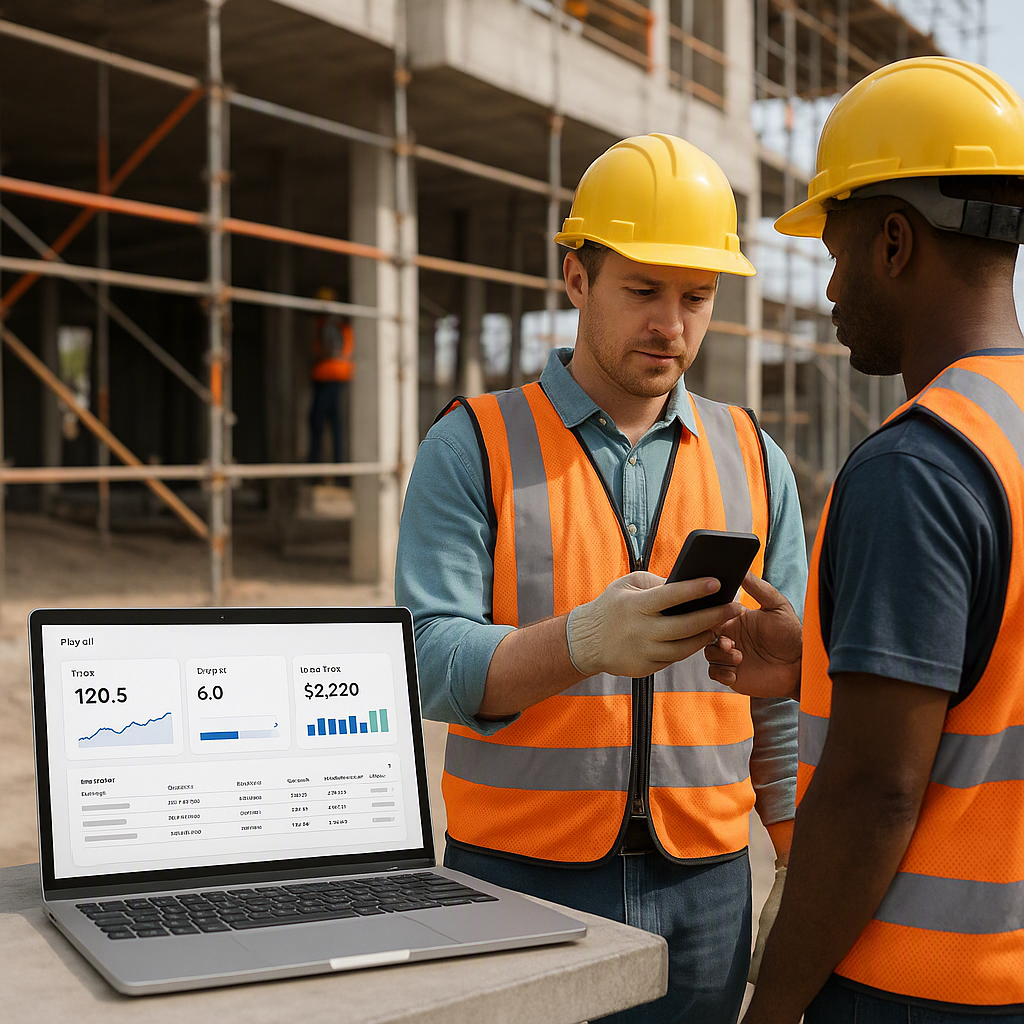
- What to Look For: Tools that link BOQs, scopes, and actual expenses in real-time. This helps you spot overruns before they spiral out of control. For example, JobNext provides dashboards that track project profitability down to individual line items.
4. Unified Platform
- Why It Matters: Managing separate tools for tendering, procurement, billing, and HR creates silos and duplication.
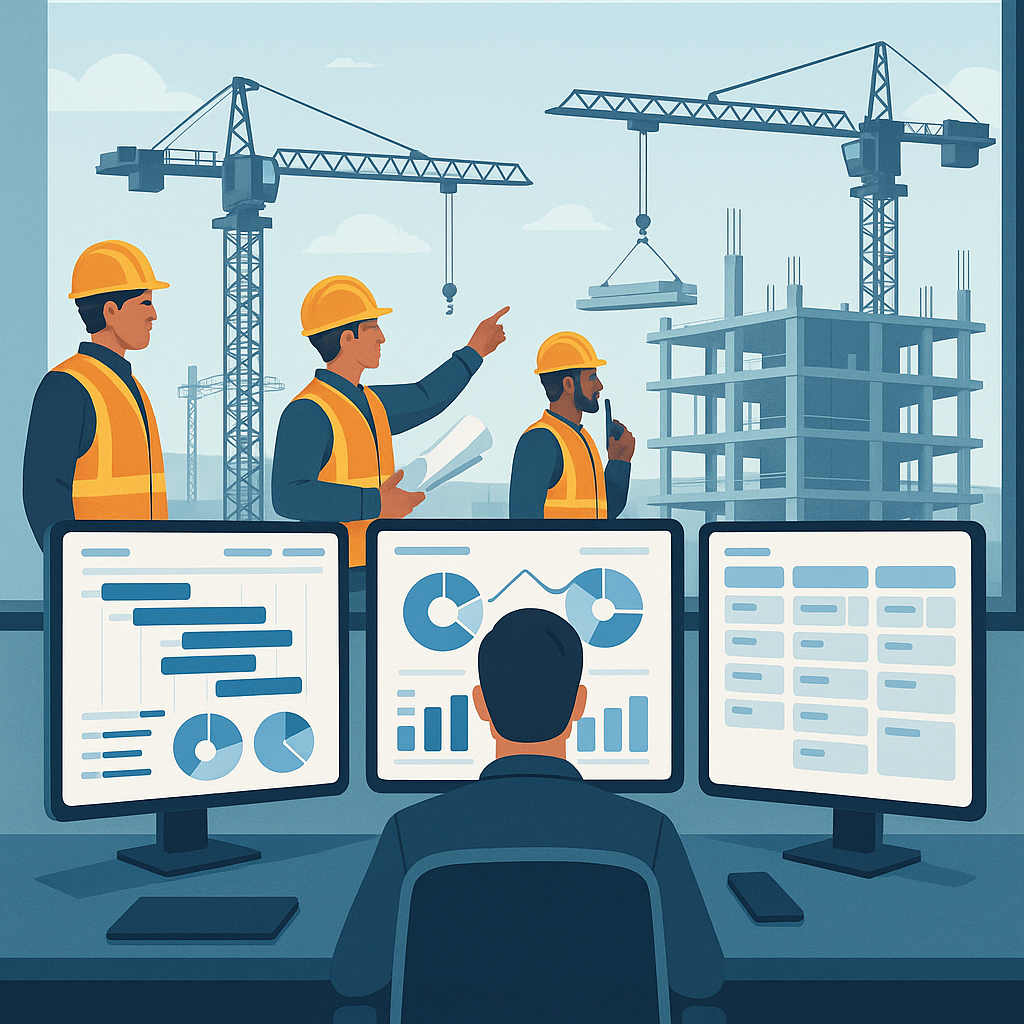
- What to Look For: A single platform that integrates all these functions. Multi-tenant SaaS systems like JobNext offer this, ensuring data flows seamlessly between modules.
Common Mistakes When Choosing an ERP
- Chasing Features Over Fit: Don’t be dazzled by long feature lists. Focus on what your business actually needs.
- Ignoring Scalability: If you plan to grow, pick a system that can grow with you.
- Skipping the Demo: Always test the software with real-world scenarios before committing.
- Underestimating Implementation Time: ERP setups take time. Rushed implementations often lead to failure.
FAQ
Q: How long does it take to implement a construction ERP?
A: It depends on the system and your team’s readiness. Implementation timelines can vary widely based on complexity and preparation.
Q: Can an ERP handle both Indian and GCC compliance?
A: Yes, but not all systems can. Look for platforms like JobNext that explicitly support dual GST and VAT compliance.
Q: Do I need an ERP if I only manage a few projects?
A: Smaller operations might manage with basic tools, but if you’re scaling or already managing multiple sites, an ERP becomes essential.
Final Thoughts
Choosing a construction ERP isn’t just about ticking boxes. It’s about solving real problems—whether that’s subcontractor cost overruns, payroll chaos, or disconnected workflows. Tools like JobNext are built with contractors in mind, offering practical solutions to these challenges.
Need help choosing the right ERP? Get started here →
Learn more at JobNext.ai