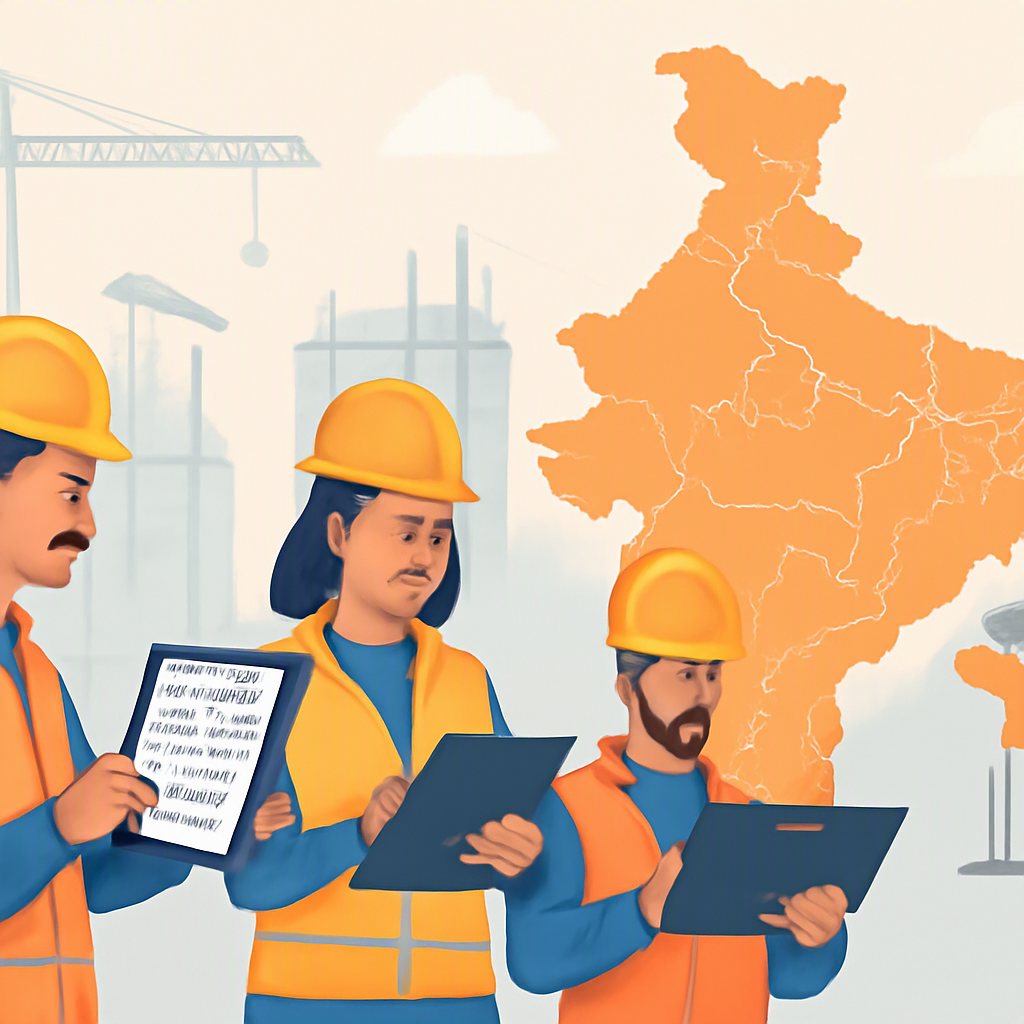
Recruitment in Construction: A Reality Check
For years, recruitment in construction seemed to be all about speed—finding people quickly, getting them to the site, and moving on to the next crisis. It felt like a constant scramble, and AI appeared to be the perfect solution. After all, AI can scan resumes, match skills, and even schedule interviews without human involvement. Problem solved, right?
Not exactly.
What Changed My Perspective
While AI tools offer significant advantages, they are not standalone solutions. Mid-sized companies, especially those in construction, face unique challenges. For example, hiring in construction often involves specific roles like MEP supervisors or HVAC technicians, which require trade-specific skills. AI struggles to fully understand the nuances of these requirements.
Moreover, construction is a high-turnover industry. Workers frequently move between projects, and companies often deal with urgent, short-term staffing needs. While AI can assist in sourcing candidates, it doesn’t address the complexities of managing approvals, compliance, and onboarding.
Why the Old Belief Persisted
It’s tempting to believe AI recruitment tools are magic wands. They promise to cut hiring time, reduce costs, and find the perfect candidates. And while they can help achieve these goals to some extent, the reality is that AI works best as part of a broader strategy that includes human oversight.
What We Do Differently Now
Here’s the real shift: mid-sized companies are increasingly treating AI as an enabler rather than a solution. Tools like JobNext’s Candidate Module streamline recruitment workflows in practical ways. For instance:
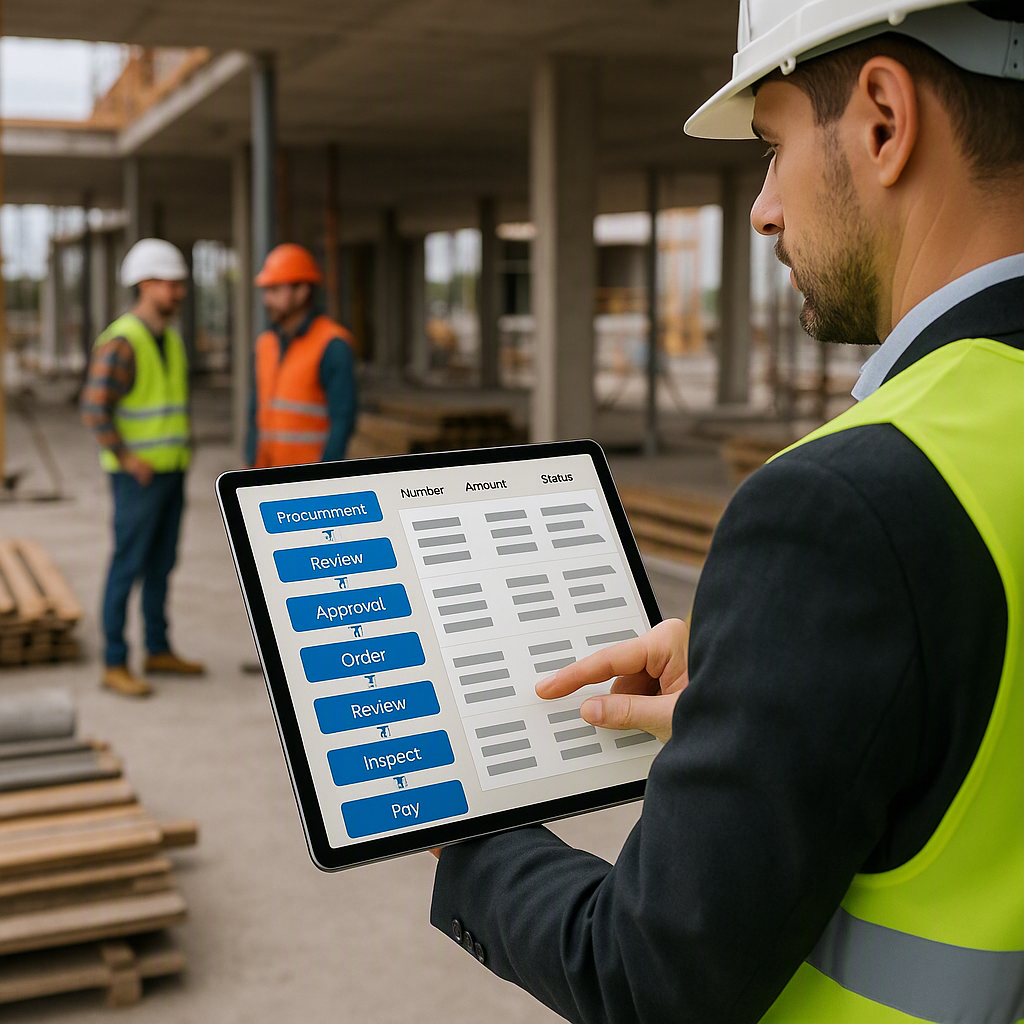
- Approval Chains: Mobilisation requests can go through multi-level approval processes, ensuring staffing decisions align with project needs.
- Skills Matching: HR allocation tools can rank available workers based on cadre, designation, skills, and proximity to the site, helping reduce mobilisation costs and speed up deployment.
- Onboarding: Once candidates are accepted, they can be converted into staff records and allocated to specific jobs, eliminating paperwork bottlenecks.
These features don’t replace human judgment; they enhance it. AI helps identify patterns and automate repetitive tasks, but the final decisions still require human input.
Lessons Learned
Over-relying on AI without addressing deeper issues—like unclear requisition workflows and poor communication between HR and project teams—can lead to delays in filling critical roles, impacting project timelines and budgets. AI is a powerful tool, but it’s not a silver bullet. Companies must integrate AI into well-defined processes and workflows to truly benefit from its capabilities.
FAQ
Q: Can AI really replace human recruiters? A: No, not entirely. AI can help with sourcing and screening, but human judgment is crucial for evaluating fit, especially in trade-specific roles.
Q: How does JobNext’s AI assistant help with recruitment? A: The “Ask AI” feature answers contextual queries, like finding unallocated workers with specific skills. It’s a shortcut, not a decision-maker.
Q: What’s the biggest mistake mid-sized companies make with AI recruitment? A: Treating AI as a one-size-fits-all solution. You need workflows that integrate AI with human oversight.
Q: How can I reduce mobilisation costs? A: Use tools like JobNext’s HR Allocation module to rank candidates by proximity and availability.
Q: Is AI worth the investment for recruitment? A: Yes, but only if you have the right processes in place to support it. Otherwise, it’s just a fancy tool that won’t solve your deeper problems.
If you're dealing with recruitment challenges in construction, JobNext can help. Explore our tools for HR and workforce management today.
Learn more at JobNext.ai