How to Choose the Best Construction ERP for Your Business
Choosing a construction ERP can feel overwhelming. Every vendor promises to simplify your operations, but not all systems are a good fit for your business. How do you ensure you select the right one?
In construction management, many contractors struggle with tools that don’t align with their needs. This often happens because they focus on features rather than addressing their specific challenges. Here’s how to avoid that mistake.
What Problem Are You Really Trying to Solve?
Before you start searching for ERP software, ask yourself: What’s the one thing causing inefficiencies or eating into my margins right now? Common issues contractors face include:
- Poor cost tracking. Overspending on-site goes unnoticed until it’s too late.
- Procurement chaos. Material requests get lost, vendors overcharge, and approvals are delayed.
- Disorganized billing. Invoices don’t match progress, leading to lost revenue.
- Multi-site workforce challenges. Attendance, payroll, and resource allocation become difficult to manage across locations.
Identifying your primary pain point will help you focus your ERP search on solutions that address your immediate needs.
Example: Fixing Procurement Chaos with an ERP
Illustrative example — Let’s say your biggest challenge is procurement. Your sites raise material requests (MRs), but they’re incomplete or delayed. Vendors provide inconsistent quotes, and purchase orders (POs) take too long to issue.
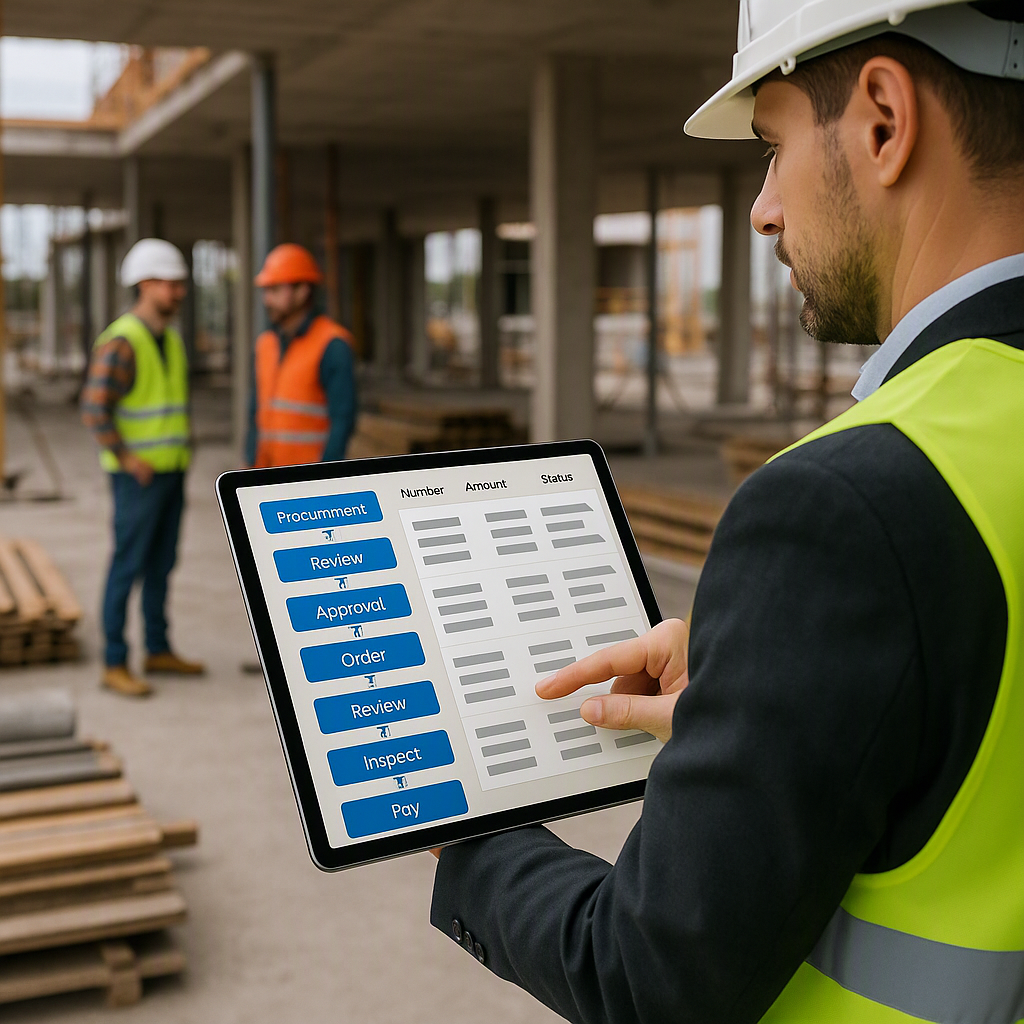
A construction ERP can help streamline this process by enforcing a structured MR → RFQ → Vendor Offer → PO workflow. Here’s how it typically works:
- Site-Level Material Requests (MRs) are raised using pre-defined templates to ensure all necessary details are included.
- RFQs (Requests for Quotation) are sent automatically to approved vendors from a centralized directory.
- Vendor Offers are compared side-by-side within the system, eliminating manual evaluations.
- Purchase Orders (POs) are generated directly from the selected quote, reducing errors and delays.
This structured approach minimizes wasted time and ensures vendor rates are properly vetted.
What to Look for in a Construction ERP
Once you’ve identified your core problem, evaluate ERPs based on these criteria:
| Criteria | Why It Matters |
|---|---|
| Industry-Specific Design | Generic ERPs don’t handle BOQs, RA Bills, or subcontractor measurements well. |
| Structured Workflows | Look for automated processes like MR → RFQ → PO to eliminate manual errors. |
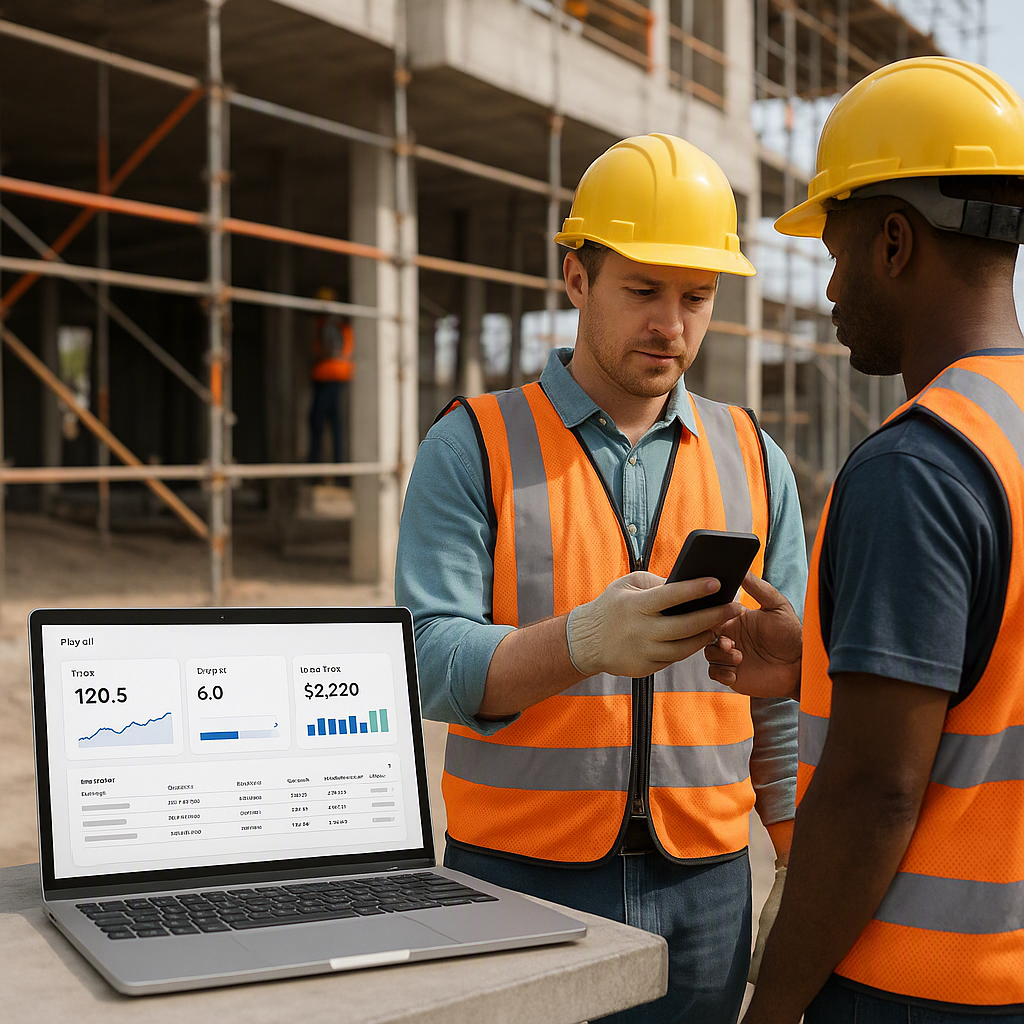
| Real-Time Dashboards | You need to see project costs, progress, and approvals at a glance. |
| Compliance Built-In | GST, TDS, PF, and ESI compliance should be automatic, not an afterthought. |
| Multi-Site HR Tools | Attendance, payroll, and leave management should work seamlessly across locations. |
A good ERP doesn’t just digitize your processes—it optimizes them.
Common Mistakes When Choosing an ERP
Here are the three biggest mistakes contractors make:
- Going for the cheapest option. While it may save money upfront, the hidden costs of a poor fit—such as wasted time and inefficiencies—can be significant.
- Ignoring implementation. Even the best ERP is ineffective if your team doesn’t know how to use it. Ensure the vendor provides adequate training and support.
- Focusing on “future needs.” Start with your immediate pain points. You can expand later, but the ERP must address your current challenges first.
FAQ
Q: How do I know if an ERP is industry-specific?
A: Check if it supports construction workflows like BOQs, RA Bills, and subcontractor management. Generic tools often lack these features.
Q: What’s the ROI of a good ERP?
A: The return on investment depends on your specific challenges. Common benefits include improved efficiency, reduced errors, and better compliance.
Q: How long does implementation take?
A: Implementation timelines vary based on your team’s readiness and the vendor’s support. Ensure you plan for training and onboarding.
Ready to Fix What’s Broken?
Choosing the right construction ERP starts with understanding your business’s unique challenges. Focus on solutions that address your immediate pain points and ensure the vendor provides robust support for implementation. By doing so, you’ll set your business up for long-term success.
Learn more at JobNext.ai