The Importance of Real-Time Cost Tracking in Construction ERP
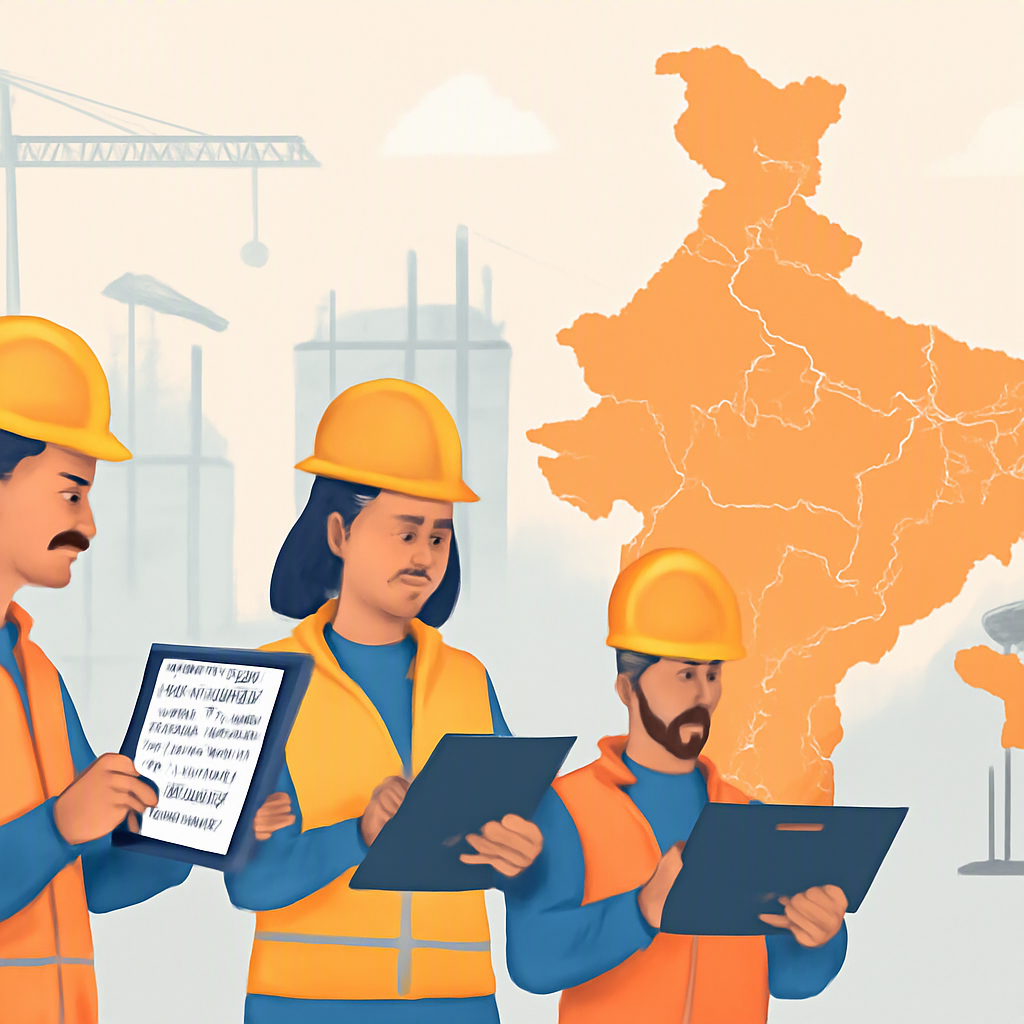
If you're running a construction company, you know the challenges of managing tight budgets. Projects often start with detailed financial plans, but costs can spiral out of control if not monitored closely. By the time overspending is identified, it may already be too late to recover margins.
One of the main reasons for this issue is delayed cost tracking. Many contractors rely on spreadsheets or disconnected systems that cannot keep up with real-time site activity. This lag in data can lead to overspending before Finance or project managers are even aware of the problem.
Why Real-Time Cost Tracking is Essential
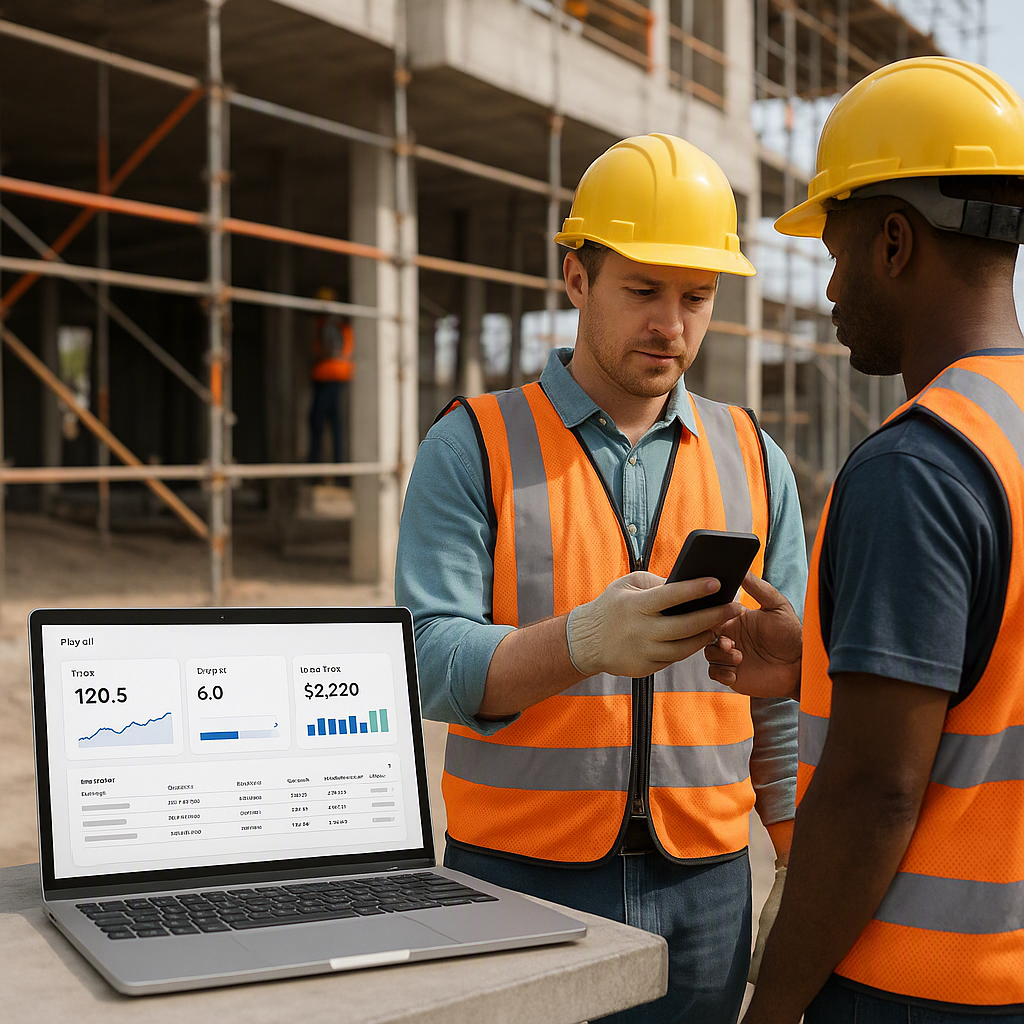
Real-time cost tracking allows you to monitor expenses as they occur, whether by Bill of Quantities (BOQ), scope, or Work Breakdown Structure (WBS). This enables you to identify and address issues as soon as they arise. A robust ERP system can flag when material purchases, subcontractor payments, or equipment rentals exceed approved budgets, allowing managers to intervene immediately and protect margins.
Illustrative example — Imagine you’ve allocated a budget for materials on a project. Halfway through, your ERP flags that spending is exceeding expectations while only a portion of the materials has been delivered. This alert allows you to pause, investigate, and renegotiate with suppliers if necessary. This proactive approach can prevent further financial strain.
Key Features to Look for in a Construction ERP
Not all ERPs are designed to handle the complexities of construction projects. If protecting your margins is a priority, consider the following features:
- BOQ-Level Tracking: Ensure every cost is tied back to a specific BOQ line item for precise oversight of where funds are being spent.
- Automated Alerts: Look for systems that notify you when costs approach or exceed approved budgets.
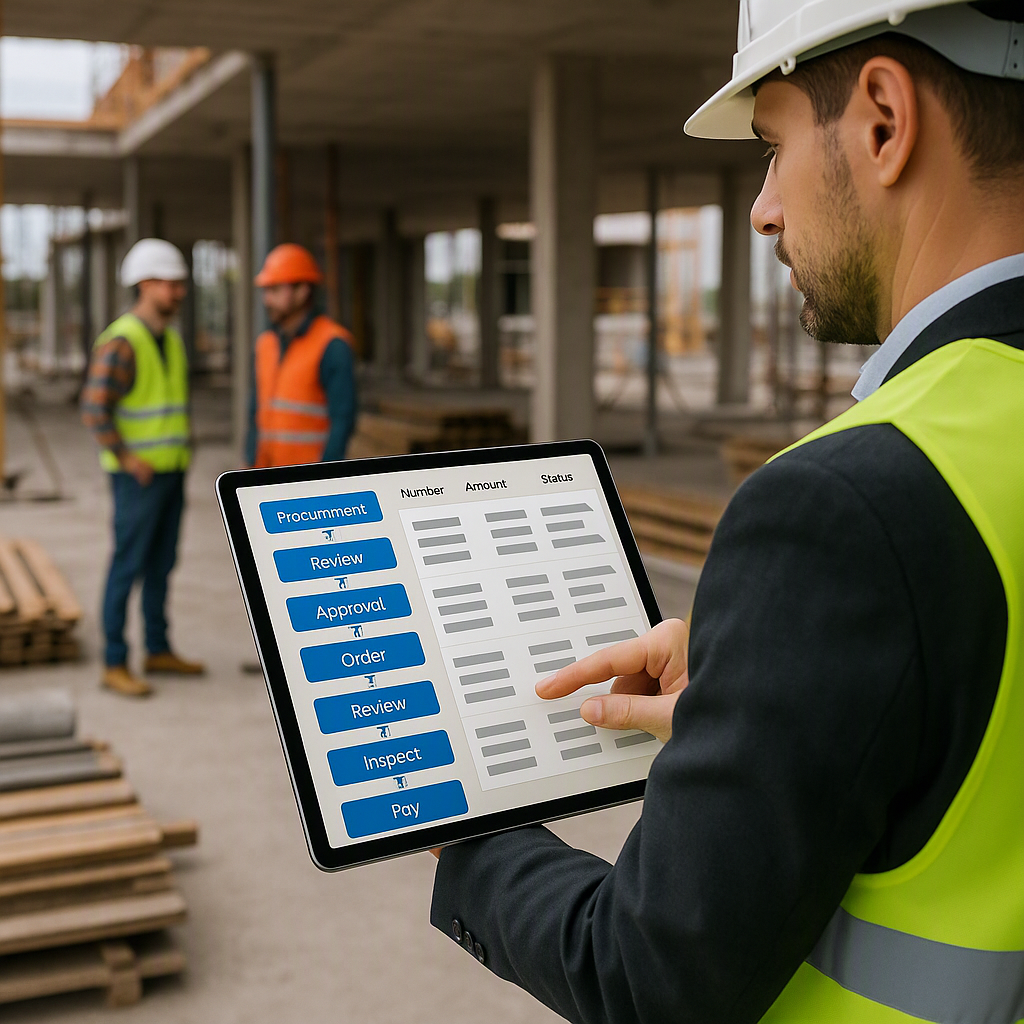
- Integration Across Modules: Costs from procurement, subcontractor payments, and equipment usage should seamlessly integrate into a unified dashboard.
- Multi-Project Visibility: For contractors managing multiple sites, a consolidated view of all projects is essential to avoid blind spots.
Common Mistakes to Avoid
- Relying on Spreadsheets: Spreadsheets lack real-time data capabilities. By the time they are updated, critical overspending may have already occurred.
- Ignoring Small Overruns: Small overruns can accumulate across multiple projects, leading to significant financial impact.
- Skipping Budget Approvals: Enforcing budget approvals for every expenditure is crucial to maintaining financial discipline.
Real Questions Contractors Ask
Q: How much can real-time cost tracking save?
A: While savings vary depending on the project, catching cost overruns early can significantly reduce financial losses, especially on high-budget projects.
Q: Can I use an ERP for small projects?
A: Yes, real-time tracking is beneficial for projects of all sizes, as it ensures financial discipline and cost control.
Q: How does an ERP handle subcontractor costs?
A: Many ERPs track subcontractor payments against completed work using measurement sheets, ensuring payments align with progress.
Final Thoughts
Margins in construction are often tight. Without real-time cost tracking, you risk losing profitability due to unchecked expenses. A well-designed construction ERP can help you monitor costs, enforce budget discipline, and protect your bottom line. By choosing the right system, you can ensure better financial control and project success.
Learn more at JobNext.ai