Are Missed Invoices Eating Into Your Margins?
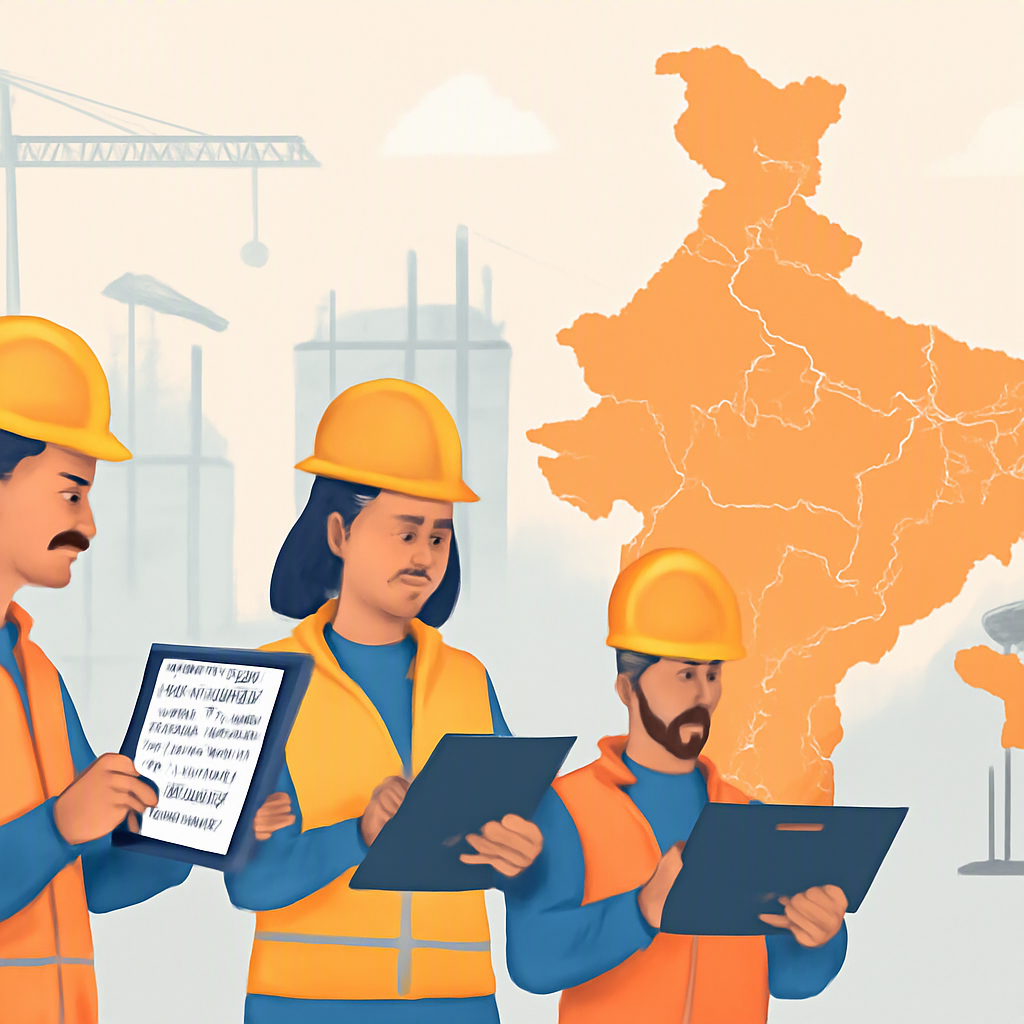
If you're a contractor managing multiple projects, you’ve likely encountered this frustrating scenario: invoices not sent on time, payment delays, or worse, revenue leakage due to a billing system that simply couldn’t handle your project’s complexities. These aren’t just irritating administrative issues — they’re expensive problems that can eat into your margins and derail your profitability.
Take RA Bills (Running Account Bills), for example. They’re the backbone of most construction billing workflows, especially in regions like India and the GCC. However, many ERP systems oversimplify RA billing or don’t support it at all. The result? You’re left juggling spreadsheets, manual calculations, and endless approval emails. That’s how money slips through the cracks.
Why Generic ERP Solutions Don’t Work
Most off-the-shelf ERP systems are designed for industries like retail or manufacturing, where billing is relatively straightforward — you sell a product, you send an invoice, and you get paid. Construction billing, however, is far more nuanced. You’re dealing with RA Bills, stage-wise payments, monthly invoices, supply BOQ billing, combined invoices, and one-time project settlements. If your ERP can’t handle these complexities, it’s not just a minor inconvenience — it’s a direct hit to your margins.
Concrete Example: Revenue Leakage Due to Billing Limitations
Consider the case of a contractor in UAE who lost ₹50 lakh in 2022. Why? Their billing system couldn’t properly track stage-wise payments for a large MEP (Mechanical, Electrical, Plumbing) project. Without automated reminders tied to project milestones, overdue payments piled up unnoticed. Eventually, the team had to write off the unpaid invoices as bad debt. This wasn’t just lost revenue — it was an avoidable operational failure.
The Fix: ERP Built for Construction
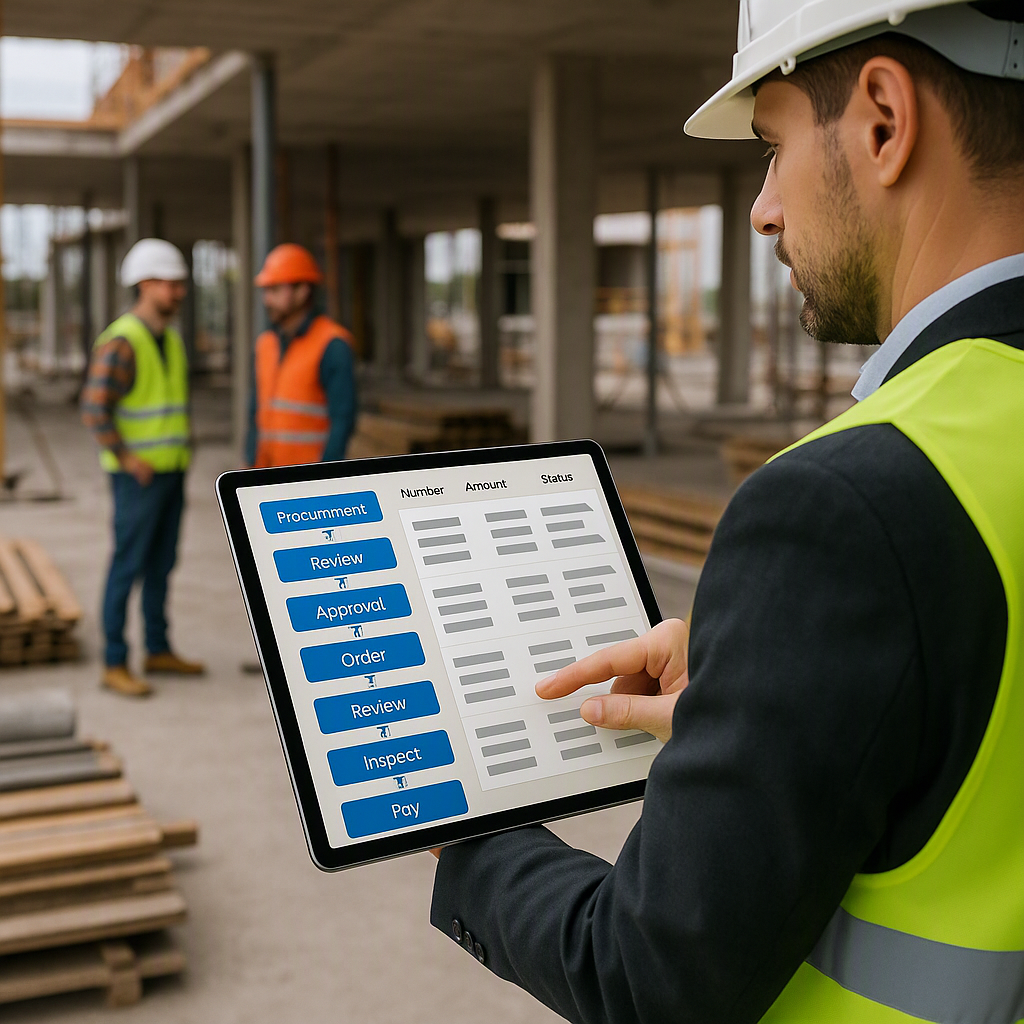
To address these challenges, contractors need ERP systems specifically tailored for construction. Generic solutions simply don’t cut it. Systems like JobNext are designed with industry-specific workflows in mind, supporting six billing methods: RA Bills, stage-wise payments, monthly invoices, supply BOQ billing, combined invoices, and one-time settlements. They automate reminders for unpaid invoices, align billing with project progress, and provide real-time dashboards for better visibility.
Case Study: Improved Cash Flow with JobNext
One HVAC contractor in Oman reported a 20% reduction in payment delays after switching to JobNext. The ERP’s automated reminders ensured that invoices tied to project milestones were sent promptly, reducing overdue payments. Additionally, the contractor saw improved cash flow, with a 15% increase in timely collections.
How to Spot the Right ERP for Billing
When evaluating ERP options, don’t just settle for flashy marketing. Dive deeper and assess whether the system can genuinely meet your operational needs. Here are actionable steps to guide your selection:
Key Features to Look For:
- Multi-Method Billing Support: Ensure the ERP supports RA Bills, stage-wise payments, monthly invoices, BOQ billing, combined invoices, and one-time settlements. These methods should be native to the system, not forced through manual workarounds.
- Integration with Project Tracking: The ERP should align billing with your BOQ (Bill of Quantities), WBS (Work Breakdown Structure), or scope hierarchy. This ensures invoices are tied to actual project progress.
- Automated Payment Reminders: The system should automatically send reminders for unpaid invoices, reducing the need for manual follow-ups.
- Real-Time Dashboards: Visibility into your financial health is critical. Dashboards should provide real-time insights into overdue payments, billing status, and cash flow.
- Scalability: As your business grows, your ERP should scale with you, supporting larger projects and more complex workflows without performance degradation.
Comparison Table: Generic ERP vs. Construction-Specific ERP
| Feature | Generic ERP | Construction-Specific ERP (e.g., JobNext) |
|---|---|---|
| Supports RA Bills | No | Yes |
| Stage-Wise Billing | Limited | Full Support |
| Automated Reminders | Basic | Advanced, Project-Milestone-Based |
| Project Tracking Integration | Minimal | Full Integration |
| Real-Time Dashboards | Limited Insights | Detailed Financial Visibility |
| Scalability for Complex Workflows | Poor | Excellent |
Real Results: What Contractors Gain
Switching to a construction-specific ERP doesn’t just solve billing chaos — it delivers measurable results. Contractors using structured billing workflows report:
- Improved Cash Flow: A 10–15% improvement in cash flow is common among contractors who adopt automated billing systems.
- Reduced Payment Delays: Automated reminders lead to a significant drop in overdue payments.
- Operational Efficiency: Teams spend less time manually tracking invoices or chasing clients for payments.
- Revenue Recovery: Contractors often recover previously lost revenue by ensuring every billing milestone is accounted for.
- Peace of Mind: Knowing your ERP is built to handle the complexities of construction billing means you can focus on project execution.
Example: HVAC Contractor’s Success
An HVAC contractor in Oman saw a 20% drop in payment delays and recovered ₹15 lakh in overdue payments after implementing JobNext. The ERP’s structured workflows ensured no payment milestones were overlooked.
FAQ
Q: What billing methods should a construction ERP support?
A: A robust construction ERP should support RA Bills, stage-wise payments, monthly invoices, supply BOQ billing, combined billing, and one-time project settlements.
Q: How does ERP improve billing accuracy?
A: By tying invoices to project progress, automating reminders, and providing real-time visibility into payment milestones, ERP systems reduce manual errors and ensure nothing slips through the cracks.
Q: Can ERP help with overdue payments?
A: Absolutely. Construction-specific ERP solutions send automated reminders for overdue invoices, track unpaid amounts, and provide dashboards to monitor collections.
Q: What’s the ROI of switching to structured billing workflows?
A: Contractors report a 10–20% improvement in cash flow, reduced payment delays, and recovered revenue that would have otherwise been written off as bad debt.
Q: How do I evaluate ERP options for billing?
A: Look for the following: multi-method billing support, integration with project tracking, automated reminders, real-time dashboards, and scalability to handle complex workflows.
What’s Next?
If missed invoices or billing chaos sound familiar, it’s time to explore ERP solutions built specifically for the construction industry. Systems like JobNext don’t just fix billing problems — they save money, improve operational efficiency, and ensure every rupee is accounted for.
Learn more at JobNext.ai