I Used to Think AI Recruitment Was Overhyped
A few years ago, I didn’t take AI seriously in recruitment. Sure, it sounded cool — algorithms matching candidates, automated screening, maybe even saving a few hours for HR teams. But for construction? I was skeptical. I thought recruitment in this industry was too messy, too human. You’re dealing with urgent mobilizations, last-minute staffing for new sites, and workers who sometimes don’t even have proper resumes. How could AI possibly help?
In my mind, AI recruitment sounded like something tech companies might use for hiring software engineers. But construction? No way. Here, recruitment is gritty. It’s about finding welders in Coimbatore for a metro expansion or masons in Al Ain for a residential high-rise. It’s not about fancy algorithms. It’s about knowing who’s available and convincing them to pack their bags.
The Moment That Changed My Mind
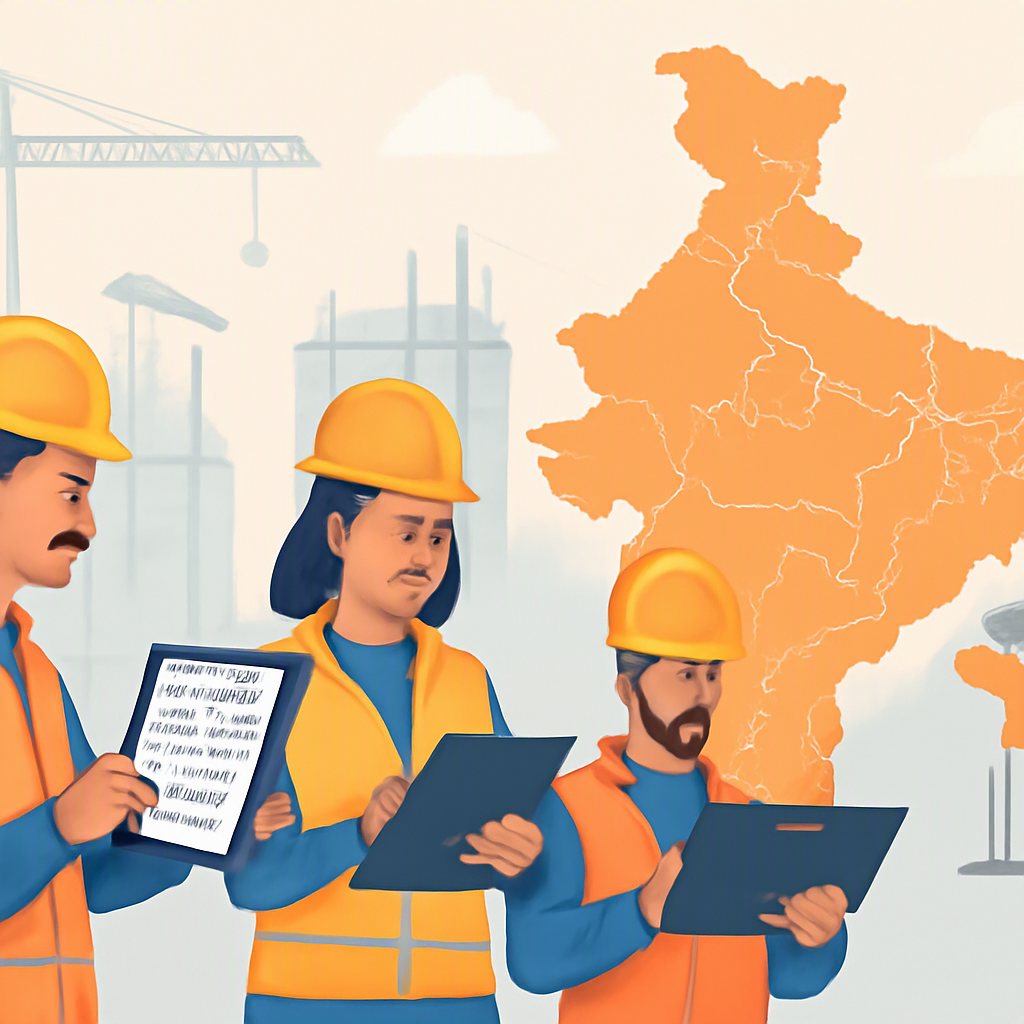
What changed? It was late 2025. One of India’s largest EPC contractors was managing 14 active sites simultaneously, and their HR head shared a problem during an interview. They had just won a major infrastructure project in Gujarat, but the mobilization timeline was brutal — 350 workers, across multiple trades, needed to be on-site within 10 days.
They tried everything: calling recruitment agencies, pulling people from other jobs, even offering relocation bonuses. But the bottleneck wasn’t sourcing candidates. It was sorting through them efficiently to find the right mix of skills, experience, and availability. They were drowning in spreadsheets, WhatsApp chats, and phone calls.
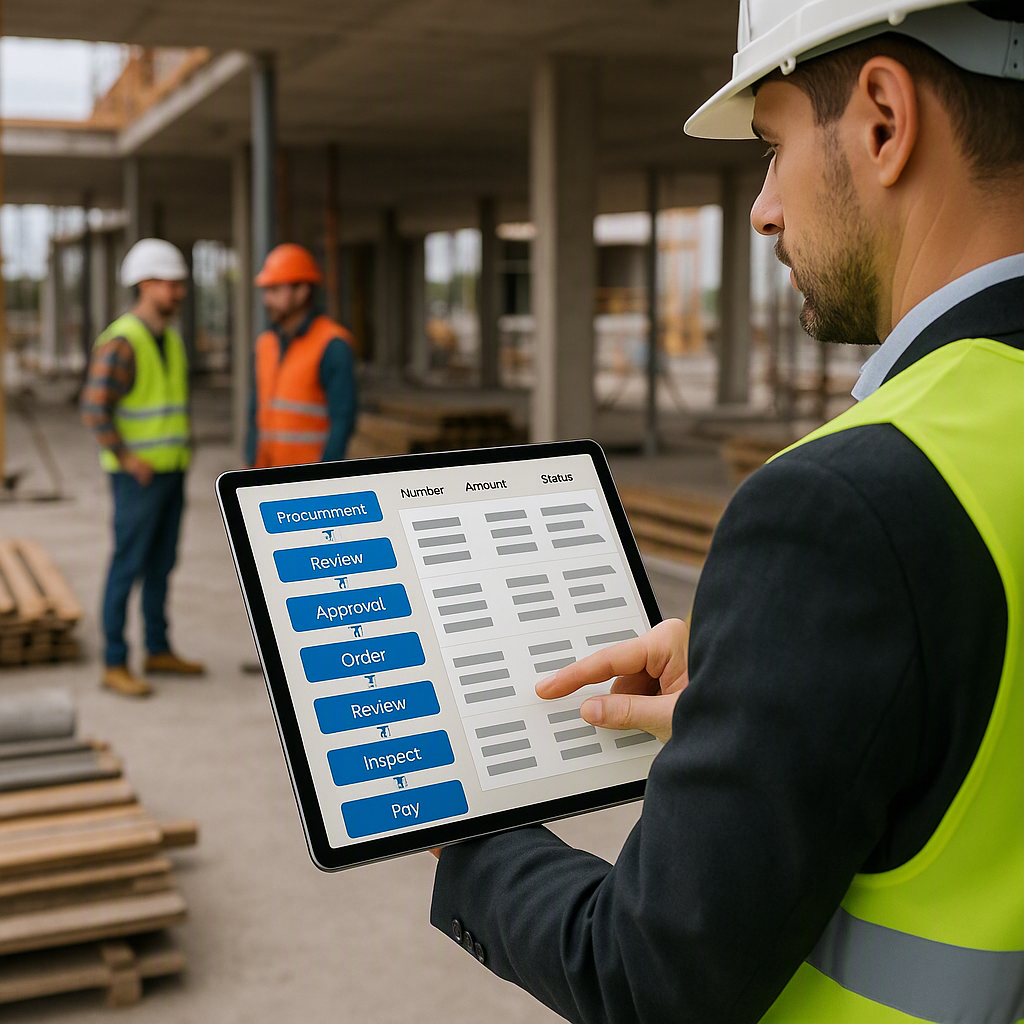
This contractor was using JobNext, which includes an AI assistant for recruitment. The HR team showed me how the Candidate Module helped them manage the entire pipeline. Instead of manually sifting through hundreds of resumes, the AI matched candidates to the approved requisition using Match Scores — a weighted algorithm that factored in skill certifications, past project experience, and even location proximity. Within hours, they had a shortlist. The AI wasn’t perfect, but it was fast. And in construction, speed matters.
Why My Old Belief Survived for So Long
Looking back, I can see why I resisted AI recruitment for so long. First, there’s a lot of hype around AI. Every vendor promises “revolutionary” results, but when you dig deeper, many systems are just glorified filtering tools. I had seen enough clunky HR software to be cynical. Second, construction recruitment is inherently chaotic. Workers change phone numbers, agencies inflate availability, and the best candidates are often booked elsewhere. No algorithm can fix that.
But I think the biggest reason is cultural. Construction HR has always been about relationships. Site managers rely on local labor contractors. HR teams trust recruiters they’ve worked with for years. AI feels impersonal, like handing control to a machine that doesn’t know the industry. It’s hard to trust something that doesn’t “get” how construction operates.
Key Challenges in Construction Recruitment:
- Fluid Workforce: Workers frequently change job sites, phone numbers, or even professions.
- Urgency: Mobilizations often come with tight deadlines, leaving no room for inefficiency.
- Data Gaps: Many workers lack formal resumes or certifications, making skills verification difficult.
- Industry Trust: Relationships with labor contractors and recruiters often trump algorithmic suggestions.
What I Do Differently Now
I still don’t think AI can replace human judgment in construction recruitment. But I do think it can handle the grunt work — the parts that slow HR teams down.
Actionable Steps for Leveraging AI in Construction Recruitment:
-
Automate Candidate Screening: Tools like JobNext’s Candidate Module can upload candidate lists and automatically filter them based on specific job requirements. This eliminates hours spent manually sorting resumes.
- Example: When staffing for a metro expansion project, HR teams can prioritize welders with certifications and previous metro construction experience by using AI-based match scores.
-
Speed Up Mobilizations: AI-assisted requisitions can reduce the chaos of urgent recruitment by quickly shortlisting candidates based on availability, location proximity, and skillsets.
- Tip: Ensure your candidate database is up-to-date to maximize AI effectiveness. Outdated information leads to wasted time.
-
Integrate AI with ERP Systems: Many recruitment AI tools (like JobNext) are bundled into broader ERP platforms, which streamline operations like payroll, compliance, and workforce management.
- Pro: Contractors already using ERP systems may find this integration cost-effective.
-
Focus on Human Judgment for Soft Skills: While AI excels at technical matching, it falls short on assessing qualities like teamwork or adaptability. Use AI for shortlisting but rely on interviews and personal assessments for final decisions.
What Being Wrong Cost Me
I underestimated the value of data in recruitment. By dismissing AI early on, I missed how it could bring structure to a process that often feels random. I also wasted time advocating for manual methods — spreadsheets, phone calls, agency networks — that work fine for small firms but break down at scale.
Lessons Learned:
- Data is Everything: Clean, structured data is the backbone of effective AI recruitment. If your candidate database is incomplete or disorganized, AI tools will struggle.
- Scale Matters: Manual methods may suffice for small projects, but AI becomes indispensable for large-scale mobilizations where speed and accuracy are critical.
- AI Isn’t Perfect: AI tools are not infallible, especially when it comes to intangible qualities like cultural fit. Use them as aids, not replacements.
Common Questions About AI in Construction Recruitment
1. Can AI really handle urgent mobilizations?
Yes, but it’s not magic. AI can automate shortlisting and ranking candidates, but HR teams still have to deal with logistics, approvals, and negotiations. Think of AI as a time-saver, not a miracle worker.
2. How does AI match candidates to construction roles?
Systems like JobNext use weighted algorithms called Match Scores. These factor in skills, certifications, past project experience, and even location proximity. It’s not perfect, but it’s faster than manual sorting.
3. Is AI recruitment expensive?
It depends on the software. Some platforms, like JobNext, bundle recruitment tools into broader ERP systems, which can be cost-effective for contractors already using ERP for other operations.
4. Will AI take jobs away from HR teams?
No. AI handles repetitive tasks like screening and ranking candidates, but human judgment is still essential for interviews, negotiations, onboarding, and compliance.
5. What’s the biggest limitation of AI in recruitment?
AI struggles with soft skills and cultural fit. It’s great for technical matching but less effective at understanding human dynamics. That’s why it works best as a complement to human decision-making.
AI vs. Traditional Recruitment: A Comparison
| Factor | Traditional Recruitment | AI-Assisted Recruitment |
|---|---|---|
| Speed | Slow, manual sorting of resumes | Fast, automated shortlisting |
| Accuracy | Prone to human error | Data-driven precision |
| Cost | High for large mobilizations | Cost-effective at scale |
| Soft Skills Assessment | Relies on human judgment | Limited capabilities |
| Scalability | Struggles with multi-site operations | Handles large-scale projects efficiently |
What to Watch For When Using AI in Recruitment
- Garbage In, Garbage Out: If your candidate database has outdated info, the AI won’t perform well. Keep your data clean.
- Over-reliance: Don’t let the AI make final decisions. Use it to narrow down options, then apply human judgment.
- Bias: Some AI systems inherit bias from training data. Make sure your software provider has safeguards against discriminatory algorithms.
Closing Thoughts
If you’re dealing with messy, multi-site recruitment, AI can help. Tools like JobNext’s Candidate Module are designed for construction-scale staffing challenges, from urgent mobilizations to long-term workforce planning. Get started free →
Learn more at JobNext.ai