Why Choosing the Right Construction ERP Matters
Margins in construction are razor-thin. A missed cost, an unbilled item, or a manual error can easily wipe out profits. And yet, many contractors are still juggling spreadsheets, outdated software, and disconnected tools. That’s not just a hassle — it’s a liability.
So, how do you avoid the trap? By knowing exactly what to demand from an ERP. Let’s break down five features you must insist on.
1. Real-Time Cost Tracking Across Projects
This one’s non-negotiable. If your ERP can’t track costs in real-time, it’s already outdated. Imagine running five projects simultaneously and not knowing which ones are bleeding money. That’s how contractors lose margins.
For example, JobNext’s real-time profitability tracking links project budgets directly to BOQs, scopes, and estimates. You get instant visibility into where your money is going — no waiting for month-end reconciliations. Why Poor Cost Tracking is Killing Contractors explains this in detail.
What to ask your vendor: Does the system let me see project-level profitability in real time, including committed versus actual costs?
2. Support for Construction-Specific Billing
Generic ERP systems don’t get construction. Most don’t support RA (Running Account) bills, stage-wise billing, or BOQ-based invoicing. But these methods are the backbone of how contractors get paid.
Without these, you’re stuck creating manual workarounds — and trust me, those workarounds will break under pressure. Look for systems like JobNext, which handle six billing methods natively, ensuring nothing slips through the cracks. 5 Reasons Contractors Can’t Grow Without Cloud ERP dives into why this matters.
What to ask your vendor: Does the ERP support RA Bills, stage-wise billing, and BOQ-based invoicing out of the box?
3. Unified Workflows Across Departments
Disjointed systems create chaos. If your procurement team uses one tool, HR another, and finance a third, good luck trying to make sense of it all. ERP isn’t just about software — it’s about unifying your workflows so every department is on the same page.
A unified system ensures that when procurement raises a Material Request (MR), finance sees the impact on budgets instantly. JobNext’s structured MR → RFQ → PO workflow, with built-in approval chains, is a great example. How Cloud ERP Saves Construction Contractors from Margin Erosion highlights why such integrations are critical.
What to ask your vendor: Can your ERP connect procurement, HR, finance, and project execution into a single workflow?
4. Compliance Built for India and GCC Regions
GST, TDS, PF, ESI, WPS… compliance isn’t optional, especially if you’re working in India or the GCC. But many ERP systems are built for generic use cases and don’t handle regional requirements well. That’s a problem.
For Indian contractors, a system like JobNext that integrates with Tally for GST reporting is invaluable. In the GCC, payroll compliance with WPS (Wage Protection System) is a must. Why Contractors Need Cloud ERP to Stop Margin Erosion discusses how compliance gaps can sink contractors.
What to ask your vendor: Does the ERP handle regional compliance, including GST, TDS, PF, ESI, and WPS?
5. Real-Time Dashboards and Analytics
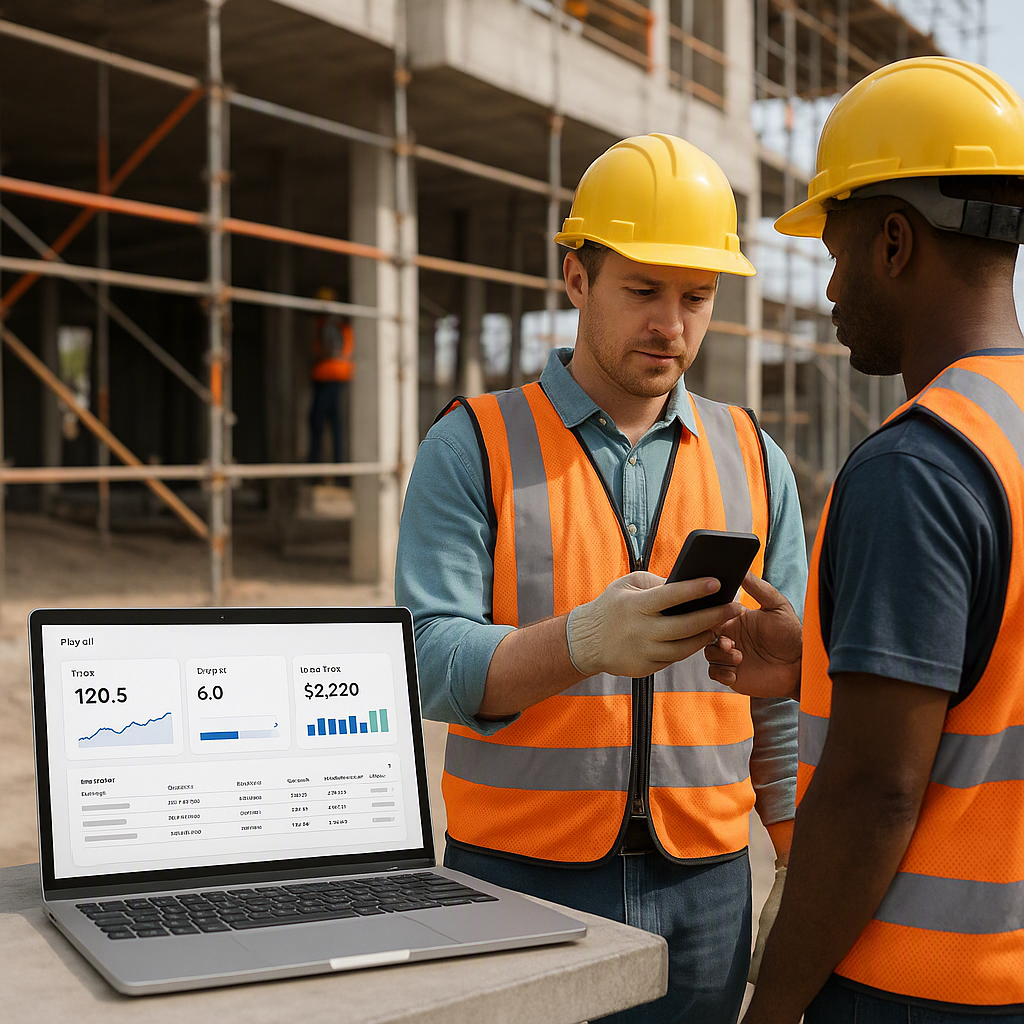
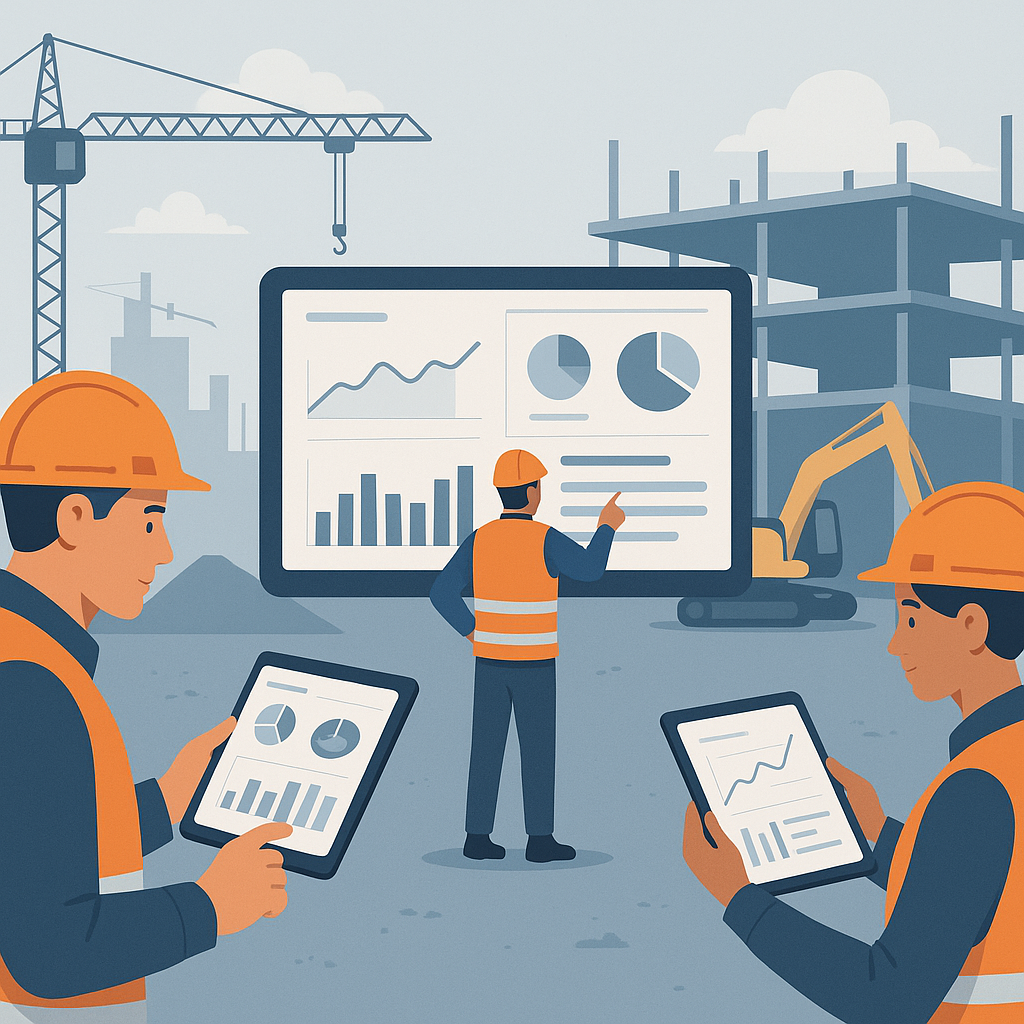
If you’re making decisions based on data that’s weeks old, you’re already behind. Real-time dashboards aren’t a luxury — they’re a necessity. They let you spot problems before they spiral out of control.
JobNext offers 150+ pre-built SSRS reports and real-time dashboards across CRM, finance, HR, projects, and equipment. The result? You spend less time digging for data and more time acting on it. Why Contractors Lose Margins (And How Cloud ERP Fixes It) explains how dashboards can transform your operations.
What to ask your vendor: Can I customize dashboards and reports to track KPIs that matter to my business?
Don’t Settle for Less
The wrong ERP will slow you down, frustrate your team, and cost you money. The right one will feel like a superpower. If you’re evaluating options, start by asking the questions we’ve outlined here. And if you’re serious about avoiding margin erosion, check out JobNext. It’s built specifically for contractors like you.
Let’s stop the profit leaks, shall we?
Ready to see JobNext in action?
Multi-tenant SaaS ERP for construction, facilities management, and contracting — covering preconstruction, project execution, procurement, HR & payroll, equipment, finance, and 150+ analytics reports.
Get Started Free →Learn more at JobNext.ai