7 Questions to Ask Before Choosing the Best Construction ERP
When contractors choose an ERP, they often focus on features. But let’s be honest — ticking off checkboxes doesn’t guarantee success. The real question is: will the ERP solve your specific problems? If you’re managing multi-site construction operations, those problems usually boil down to margins, disconnected systems, and chaos in material procurement.
Here are seven questions you should ask before signing that ERP deal.
1. Can It Track Project Profitability in Real-Time?
Margins are everything in construction. If you’re losing money on a project, you need to know now — not two months later when your finance team reconciles accounts. The ability to track profitability across BOQs, scopes, and estimates is non-negotiable.
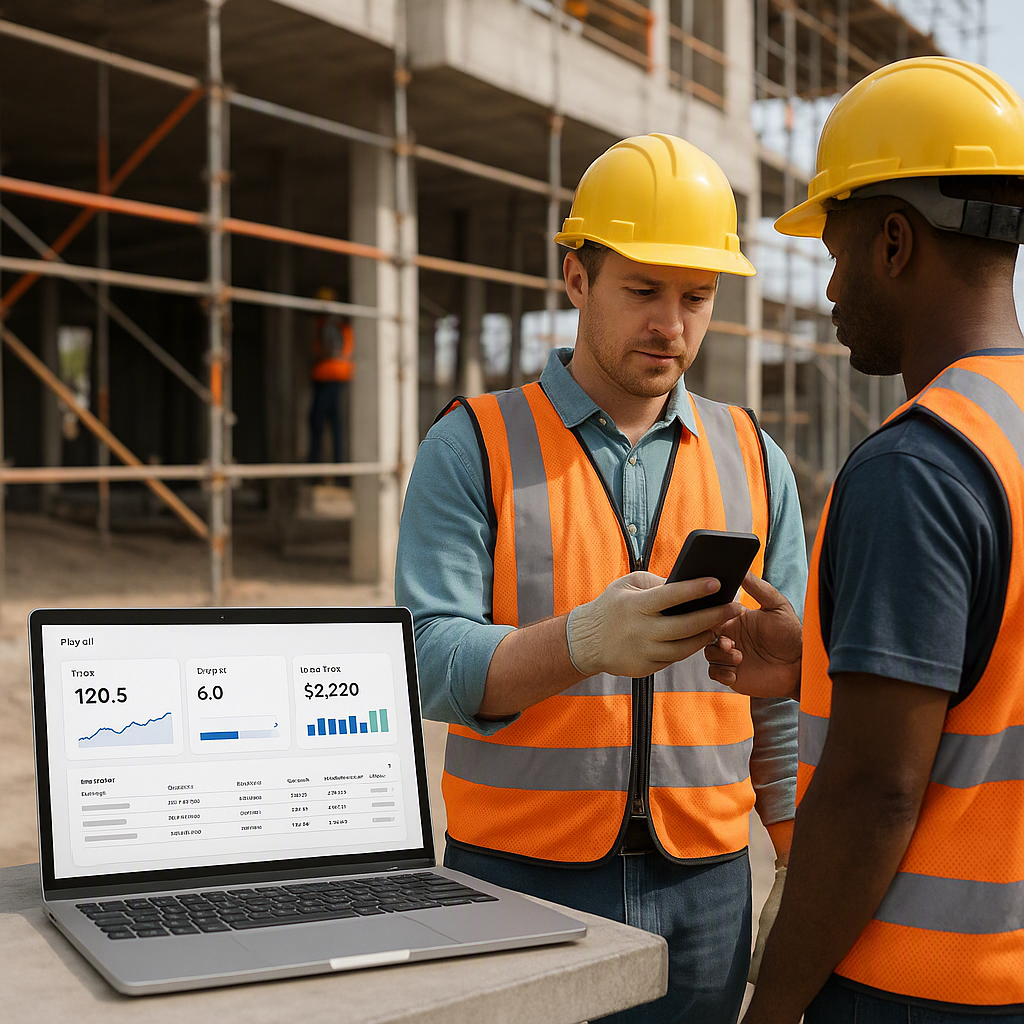
Take this example: many contractors lose margins because they don’t have real-time visibility into costs. A cloud ERP like JobNext fixes this by showing you exactly where you’re bleeding money. You see material costs, labor hours, subcontractor payments, and billing progress as they happen. No surprises.
2. Does It Replace Disconnected Systems?
Most contractors juggle Excel sheets for tendering, standalone payroll software, and manual billing processes. It’s a mess. Disconnected systems create bottlenecks and errors that cost time — and money.
Go for an ERP that unifies everything: tendering, procurement, billing, HR, and finance. For example, JobNext combines these functions into one platform, eliminating double-entry and reducing errors. The result? Smoother workflows and fewer headaches.
3. Does It Handle Procurement Like a Pro?
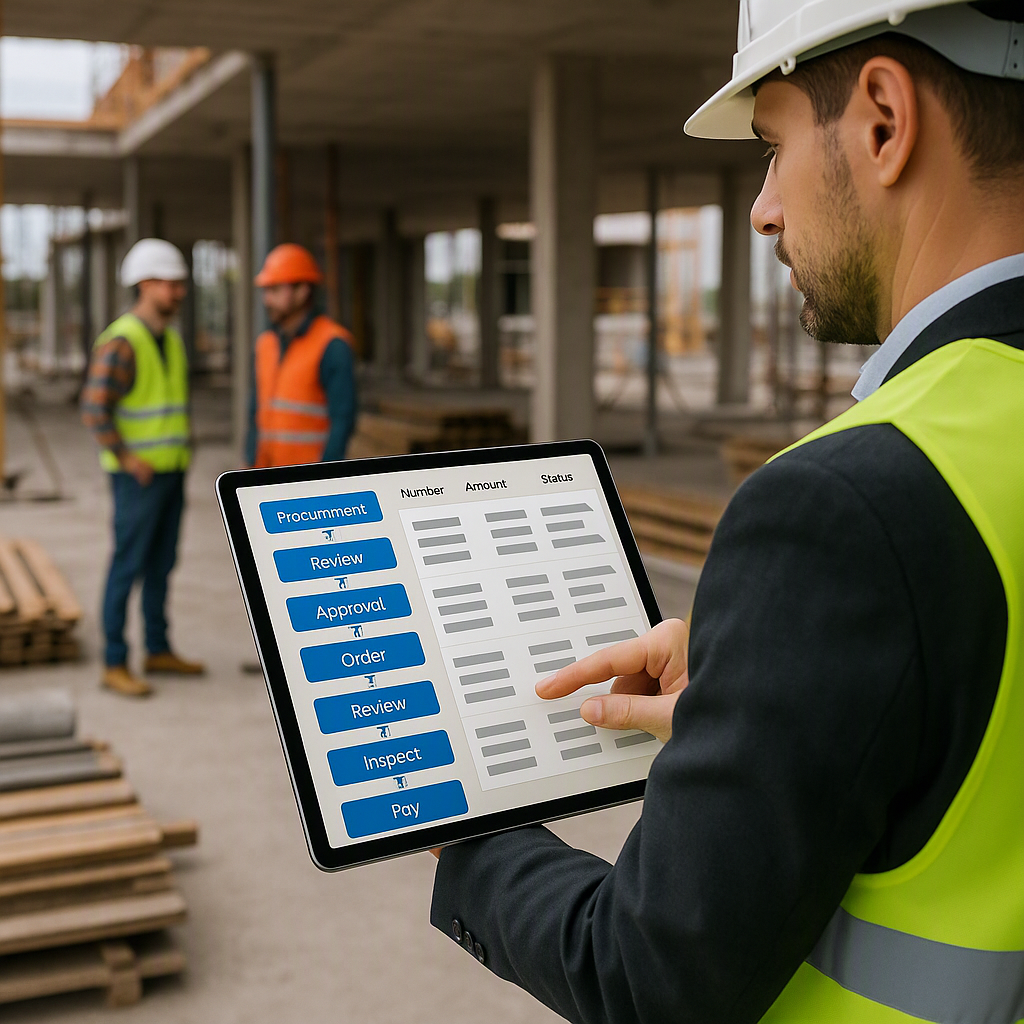
Material procurement isn’t just about placing POs. It’s a workflow: from Material Request (MR) → Request for Quotation (RFQ) → Vendor Offers → Purchase Order (PO). If your ERP doesn’t structure this process, expect chaos — delays, over-budget purchases, and vendor disputes.
JobNext’s procurement module builds this workflow into the system. You can set approval chains, compare vendor offers side-by-side, and ensure compliance. It’s not just convenience; it’s control.
4. How Does It Prevent Revenue Leakage in Billing?
Billing errors are silent profit killers. Whether it’s underbilling for RA Bills or forgetting combined billing for supply BOQs, mistakes add up. Contractors need an ERP that supports multiple billing methods and ensures nothing falls through the cracks.
JobNext, for instance, offers six billing methods, from stage-wise to monthly. It even automates invoice tracking so you never miss a payment milestone. Read more about how contractors stop revenue leakage with cloud ERP.
5. Does It Simplify HR for Multi-Site Teams?
Managing attendance, payroll, and staff allocation across multiple sites is a nightmare without the right tools. Traditional payroll systems fail to account for site-specific challenges like camp-based attendance or GCC statutory compliance.
Choose an ERP built for construction HR. JobNext’s HR module handles attendance by site, integrates GCC payroll compliance, and even tracks leave balances across locations. This isn’t just an HR tool — it’s survival for contractors running 50+ sites.
6. Does It Support GCC Compliance?
If you’re operating in the UAE, Oman, or Saudi Arabia, you already know that compliance isn’t optional. Miss a TDS or GST filing, and you’re looking at fines. An ERP should automate statutory deductions (PF, ESI) and integrate with local accounting systems like Tally.
JobNext’s compliance features include GCC payroll, GST/TDS automation, and bank guarantee tracking. And yes, it even integrates with Tally for Indian contractors. Learn more about managing compliance across multiple countries.
7. Does It Scale for Multi-Site Operations?
An ERP that works for a 50-person contractor might not cut it for a 2000-employee company. Scalability matters. Look for systems that support multi-tenant operations, role-based access, and flexible reporting.
JobNext, for example, scales with your business. Whether you’re managing 5 sites or 50, its dashboards and reports adapt to your operations. No matter what size your company is, you’ll have the tools to make informed decisions.
Conclusion: Start With Your Pain Points
The best construction ERP isn’t the one with the longest feature list. It’s the one that solves your biggest headaches — whether that’s margin erosion, disconnected workflows, or compliance risks. Take the time to map out your pain points and see how the ERP addresses them.
Want a real-world example? Check out Why Contractors Lose Money Without Cloud ERP (And How to Fix It) on JobNext.ai. It’s a practical breakdown of how contractors stop margin erosion using cloud ERP.
Ready to see JobNext in action?
Multi-tenant SaaS ERP for construction, facilities management, and contracting — covering preconstruction, project execution, procurement, HR & payroll, equipment, finance, and 150+ analytics reports.
Get Started Free →Learn more at JobNext.ai