Why Choosing the Right ERP is a Make-or-Break Decision
Margins in construction are razor-thin. A 5% cost overrun, and you're in the red. Yet, many contractors still rely on Excel sheets, disconnected systems, or generic ERPs that don't understand construction. The result? Missed billing opportunities, project overruns, and chaotic procurement processes. Sound familiar?
If you're running multiple projects across sites, you can't afford to pick the wrong ERP. But how do you find the right one? Start by asking the right questions.
1. Does It Track Project Costs in Real-Time?
This one's non-negotiable. Every site, every BOQ item, every subcontractor payment needs to be tracked live. Why? Because without real-time visibility, you’re flying blind.
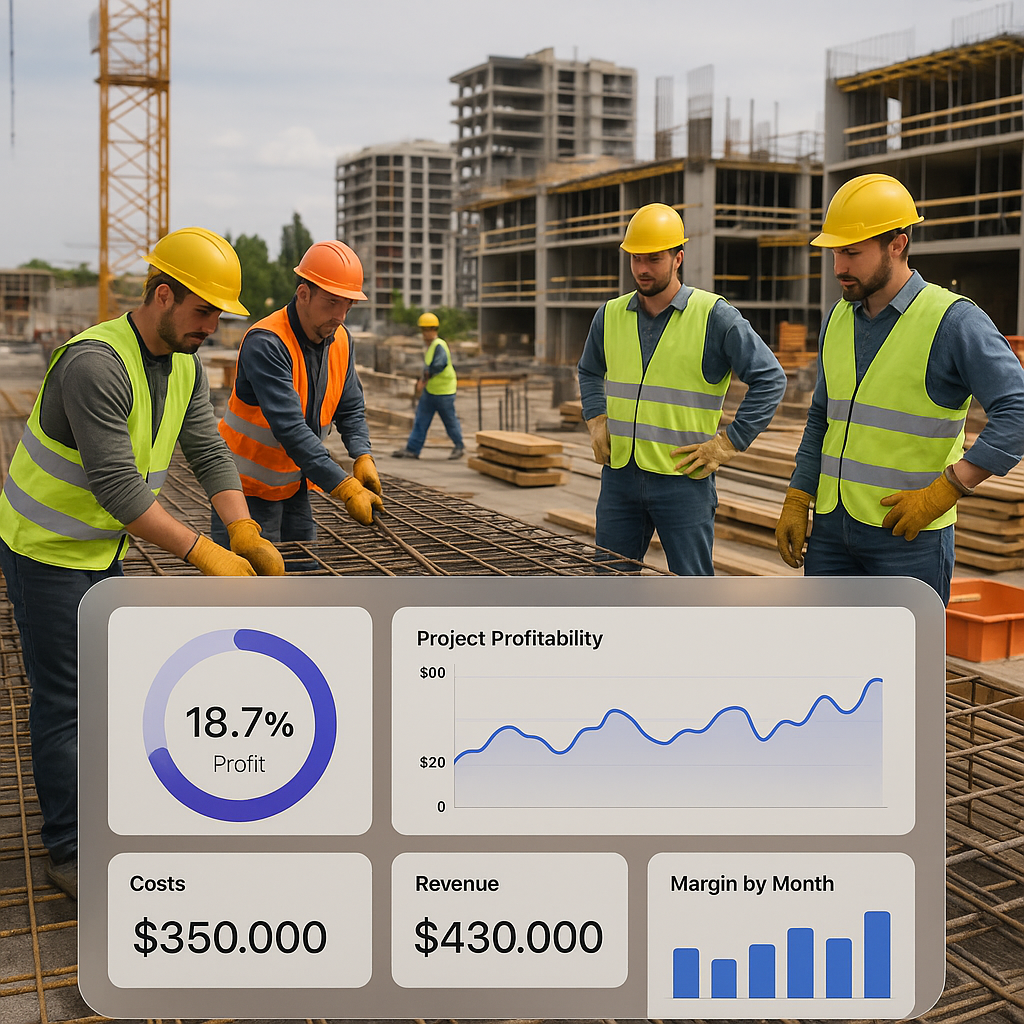
For example, let’s say you’re halfway through a project, and cement usage is already at 80% of the budget. You need to know that now, not at the end of the quarter. ERPs like JobNext provide dashboards showing real-time cost vs. budget data. If your ERP can’t do this, walk away.
Real-World Data:
Contractors lose up to 20% of margins due to poor cost tracking and billing errors, according to this article on JobNext.ai. Real-time data isn’t just a luxury — it’s survival.
2. Can It Handle Construction-Specific Billing Methods?
Most generic ERPs are designed for retail or manufacturing — not contracting. Construction billing is messy. RA bills, stage-wise payments, BOQ-based invoicing, one-time supply payments... Does the ERP support all these methods? If not, expect revenue leakage.
Practical Example:
JobNext supports six billing methods out of the box. One contractor we spoke with recovered ₹12 lakhs in lost revenue within three months just by plugging leaks in under-invoiced RA bills.
3. Does It Fix Procurement Chaos?
Procurement in construction isn’t just buying materials. There’s MRs, RFQs, vendor comparisons, approval chains, and POs. If your ERP doesn’t support this workflow, you’ll stay stuck in manual chaos.
What Works:
Look for structured procurement workflows like MR → RFQ → Vendor Offers → PO, with approvals baked in. This eliminates miscommunication and over-ordering. Systems like JobNext even track vendor performance over time.
4. Is It Built for Multi-Site Operations?
Your teams are scattered across project sites, sometimes in different states or even countries. Attendance, payroll, and resource allocation can become a nightmare. Does the ERP help you manage this at scale?
Example:
JobNext’s HR module connects attendance devices across sites in real-time. It automatically calculates payroll considering overtime, site-specific allowances, and compliance requirements like PF and ESI.
5. Will It Prevent Data Gaps?
One of the biggest killers of efficiency is disconnected systems. If your tendering, procurement, HR, and finance teams are all using separate tools, good luck reconciling data. Unified ERPs solve this.
Why It Matters:
According to Why Contractors Lose Money Without Cloud ERP, disconnected systems lead to billing delays, compliance misses, and duplicate data entry. A unified ERP eliminates these headaches.
6. Is It Scalable?
What works for 50 employees won’t work for 500. And if you’re expanding to GCC markets, you’ll need multi-currency support, GCC payroll compliance, and VAT/GST integration.
Key Features to Look For:
- Multi-currency invoicing
- GCC payroll compliance
- Tally integration for Indian statutory reporting
- Role-based access controls
7. Is It Cloud-Based?
Cloud ERPs are the future. They’re cheaper to implement, easier to scale, and accessible anywhere. If you’re still considering on-premise systems, think again.
Why It’s Critical:
The JobNext.ai blog Why Contractors Who Skip Cloud ERP Are Losing Money explains this perfectly: Cloud ERPs reduce upfront costs and ensure you’re always on the latest version. No upgrades, no downtime.
Final Thought: Don’t Rush It
Choosing the best construction ERP isn’t about picking the fanciest software. It’s about solving your actual problems — cost tracking, billing accuracy, procurement chaos, and HR complexity. Take your time. Vet vendors. Ask for real-world use cases. And if you’re still unsure, start small with a system like JobNext that’s built specifically for contractors like you.
The wrong ERP can cost you years of frustration. The right one? It can transform your business.
Ready to see JobNext in action?
Multi-tenant SaaS ERP for construction, facilities management, and contracting — covering preconstruction, project execution, procurement, HR & payroll, equipment, finance, and 150+ analytics reports.
Get Started Free →Learn more at JobNext.ai