Why Choosing the Right ERP Matters
Margins in construction are razor-thin, often hovering between 5-10% for most contractors. A single mistake in cost tracking or billing can erase months of work. Yet, many contractors still rely on spreadsheets or disconnected systems to manage multi-site projects. It’s not just inefficient — it’s dangerous.
We’ve seen contractors lose up to 20% of their expected profits due to billing errors, poor cost tracking, and manual procurement chaos. If you’re reading this, chances are you’ve experienced some of these issues too. The right ERP can fix them. But only if you pick one that’s built for contractors like you.
So how do you decide? Start by asking these 7 questions.
1. Does It Show Real-Time Project Profitability?
If your ERP can’t tell you exactly how much profit you’re making (or losing) on every project in real-time, it’s not worth your money. Period. Construction is too dynamic for monthly or quarterly reporting to cut it.
For example, JobNext’s real-time project profitability monitoring tracks costs across BOQs, scopes, and estimates. You can instantly spot cost overruns and act before they spiral out of control.
Why does this matter? Because traditional accounting software only tells you what happened after the project ends. By then, it’s too late.
2. Can It Handle Multi-Site Attendance and Payroll?
Managing attendance and payroll for a single site is hard enough. For contractors juggling 5, 10, or 50 sites, it’s chaos. Missing timesheets, manual errors, and compliance risks (PF, ESI, GST) are all too common.
Look for an ERP with HR and payroll features specifically designed for multi-site teams. For instance, JobNext automates attendance tracking with GPS-based check-ins and integrates it directly into payroll. No more chasing site supervisors for data or worrying about statutory deductions.
3. Does It Support Multiple Billing Methods?
Not all projects are billed the same way. Some require RA (Running Account) bills, while others might be stage-based or monthly. An ERP that forces you to fit into a single billing method will only create headaches.
JobNext supports six different billing methods, ensuring you don’t leave money on the table. This flexibility is critical for contractors who handle diverse projects, from government tenders to private developments.
4. How Does It Manage Procurement?
Procurement is where most contractors bleed money. Without a structured workflow, it’s easy to overspend, miss vendor deadlines, or order the wrong materials.
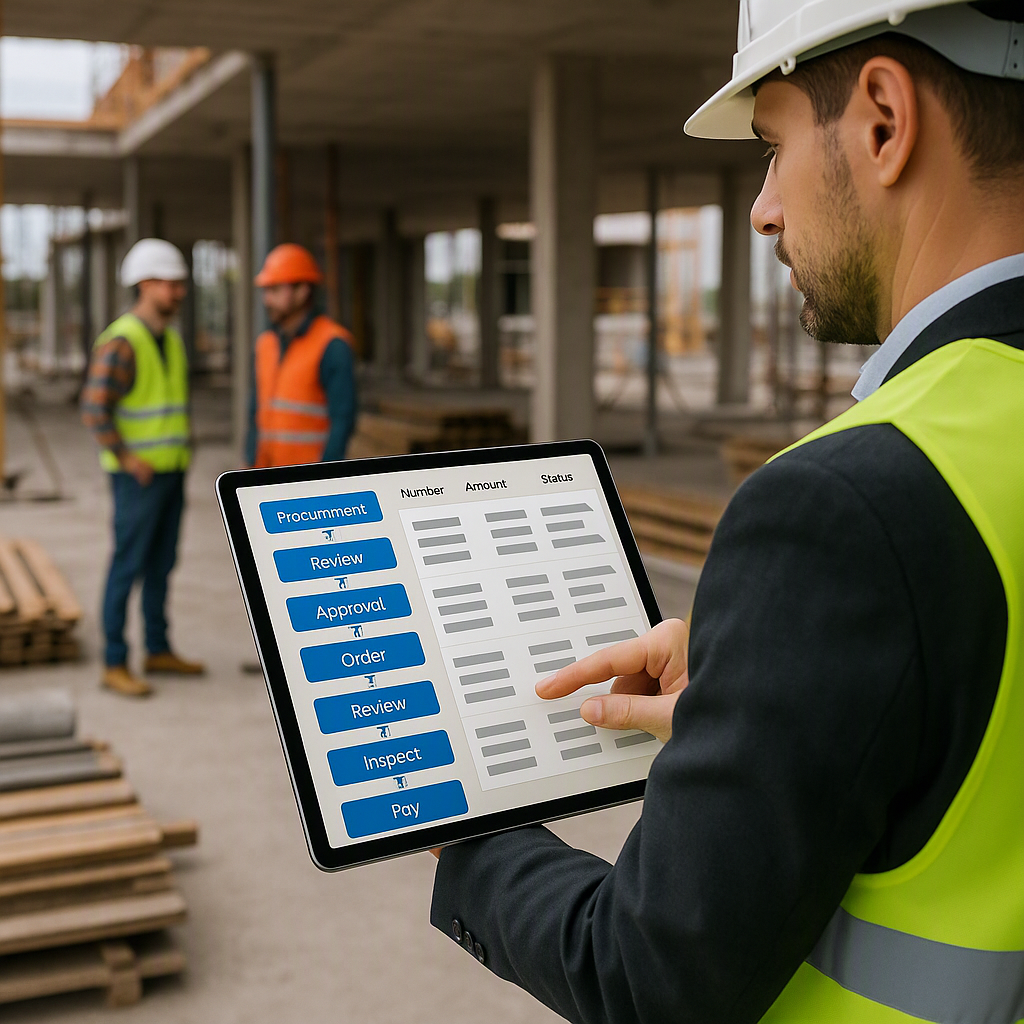
A good ERP will include a procurement module with features like MR → RFQ → Vendor Offers → PO workflows. Approval chains are non-negotiable. If your ERP can’t give you this, you’ll still be stuck with email trails and phone calls.
5. Is It Cloud-Based?
This one’s non-negotiable. Cloud ERPs let you access your data from anywhere, whether you’re at the head office or on-site. Plus, they’re easier to scale as your business grows.
On-premise systems might seem cheaper upfront, but the hidden costs — upgrades, maintenance, downtime — will eat into your margins. Cloud ERPs like JobNext eliminate these headaches while also improving data security.
6. Does It Integrate With Your Existing Tools?
If your ERP doesn’t play nice with your existing tools (like Tally for Indian statutory reporting), you’re in for a world of pain. Integration isn’t just a convenience; it’s a necessity.
For instance, JobNext integrates seamlessly with Tally, Razorpay-X, and other platforms. This means you can automate GST/TDS compliance and bank reconciliations without additional manual work.
7. How Easy Is It to Train Your Team?
Even the best ERP is useless if your team can’t use it. Look for a system with an intuitive interface and strong support for training. Ask your vendor for a demo specific to your workflows.
We’ve heard horror stories of contractors who spent lakhs on an ERP only to abandon it because the learning curve was too steep. Don’t let that be you.
Wrapping Up
Choosing the best construction ERP isn’t about picking the most expensive software or the one with the flashiest demo. It’s about finding a tool that solves your biggest operational headaches — whether that’s cost tracking, payroll, or procurement.
If you’re still unsure where to start, check out JobNext’s blog on why contractors lose money without cloud ERP. It’s a must-read for anyone evaluating their first ERP.
The right system can save you millions. The wrong one can cost you just as much. Choose wisely.
Ready to see JobNext in action?
Multi-tenant SaaS ERP for construction, facilities management, and contracting — covering preconstruction, project execution, procurement, HR & payroll, equipment, finance, and 150+ analytics reports.
Get Started Free →Learn more at JobNext.ai