Why Choosing the Right Construction ERP Is Harder Than You Think
Most contractors think picking an ERP is just about features and cost. But here’s the truth: the wrong decision can sink your business. An ERP isn’t just software—it’s the backbone of your operations. Get it wrong, and you’re signing up for delayed projects, missed costs, and endless frustration.
The numbers don’t lie. According to a McKinsey report, large construction projects run 80% over budget and 20% over schedule on average. Poor planning and disconnected systems are major culprits. The right ERP can fix this. The wrong one? It’ll just make things worse.
So, how do you choose the best construction ERP software? Ask these seven questions before you buy:
1. Does It Track Costs in Real Time?
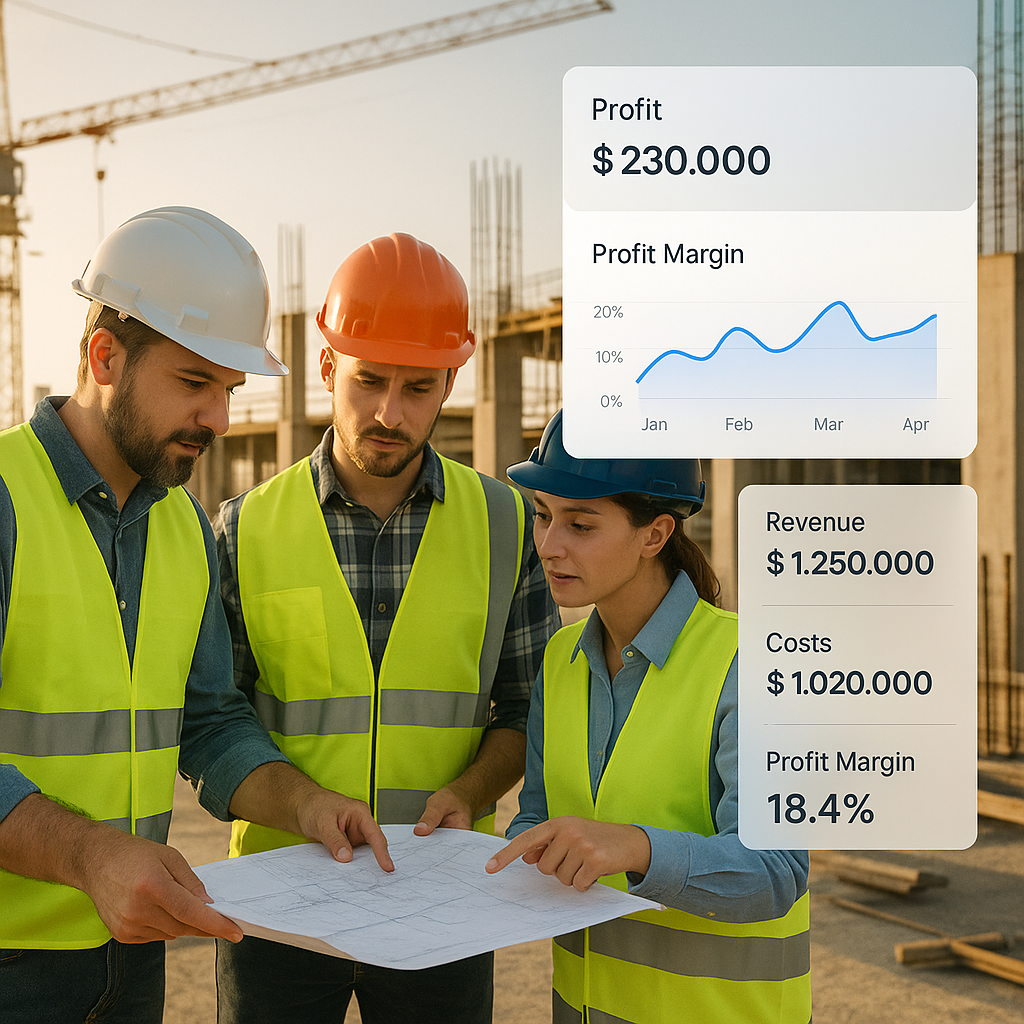
Cost tracking is where most contractors lose money. You think you’re on budget until the project ends, and you’re hit with unexpected overruns. Sound familiar?
A good ERP gives you real-time insights. For example, JobNext includes project profitability monitoring right down to the BOQ item. You’ll know exactly where you stand—no surprises.
If your ERP doesn’t have this, walk away. It’s non-negotiable.
2. Can It Handle Multi-Site Operations?
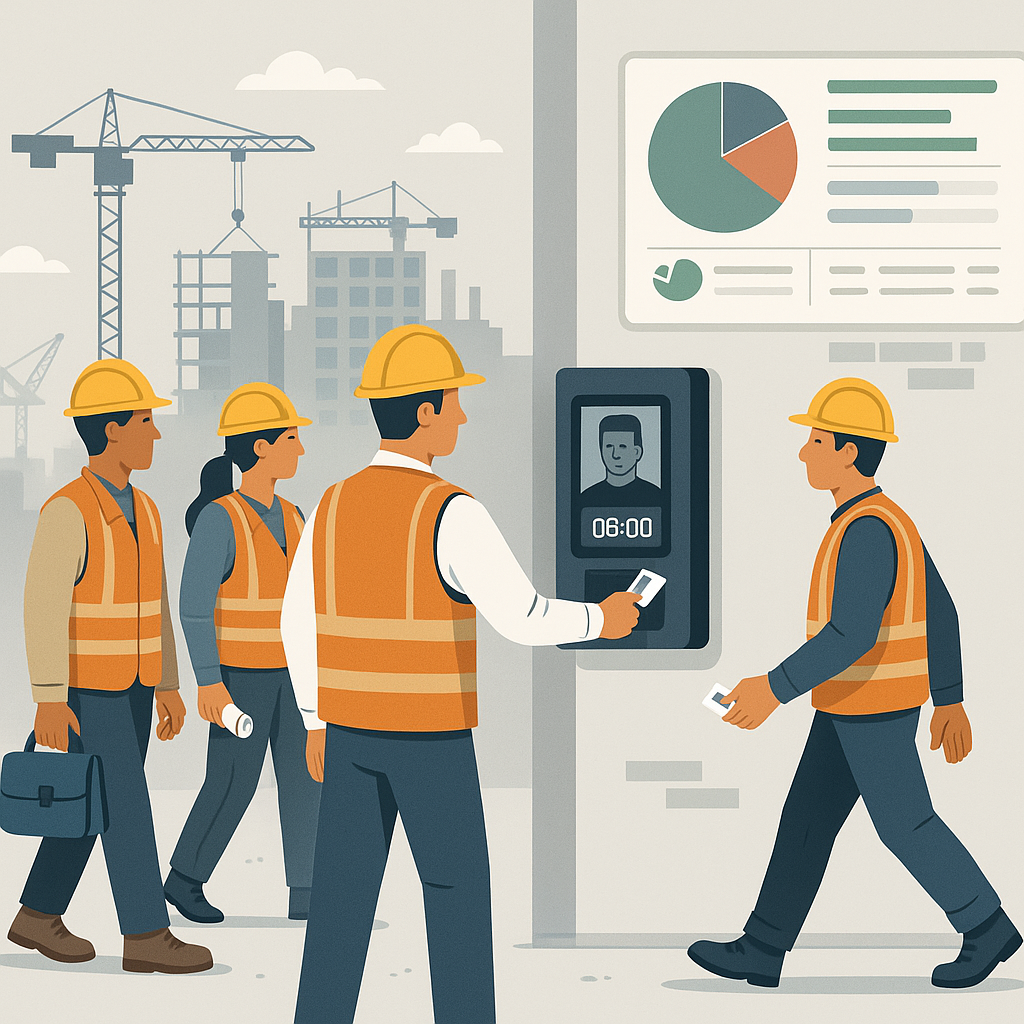
Most contractors juggle multiple projects across locations. Managing attendance, payroll, and resources for different sites is chaotic without the right tools. If your ERP doesn’t allow site-specific tracking of labor and resources, you’ll end up with errors and inefficiencies.
We’ve seen companies lose weeks trying to reconcile payroll because their system couldn’t handle multi-site complexities. Avoid this trap. Read more here.
3. Does It Integrate with Your Existing Tools?
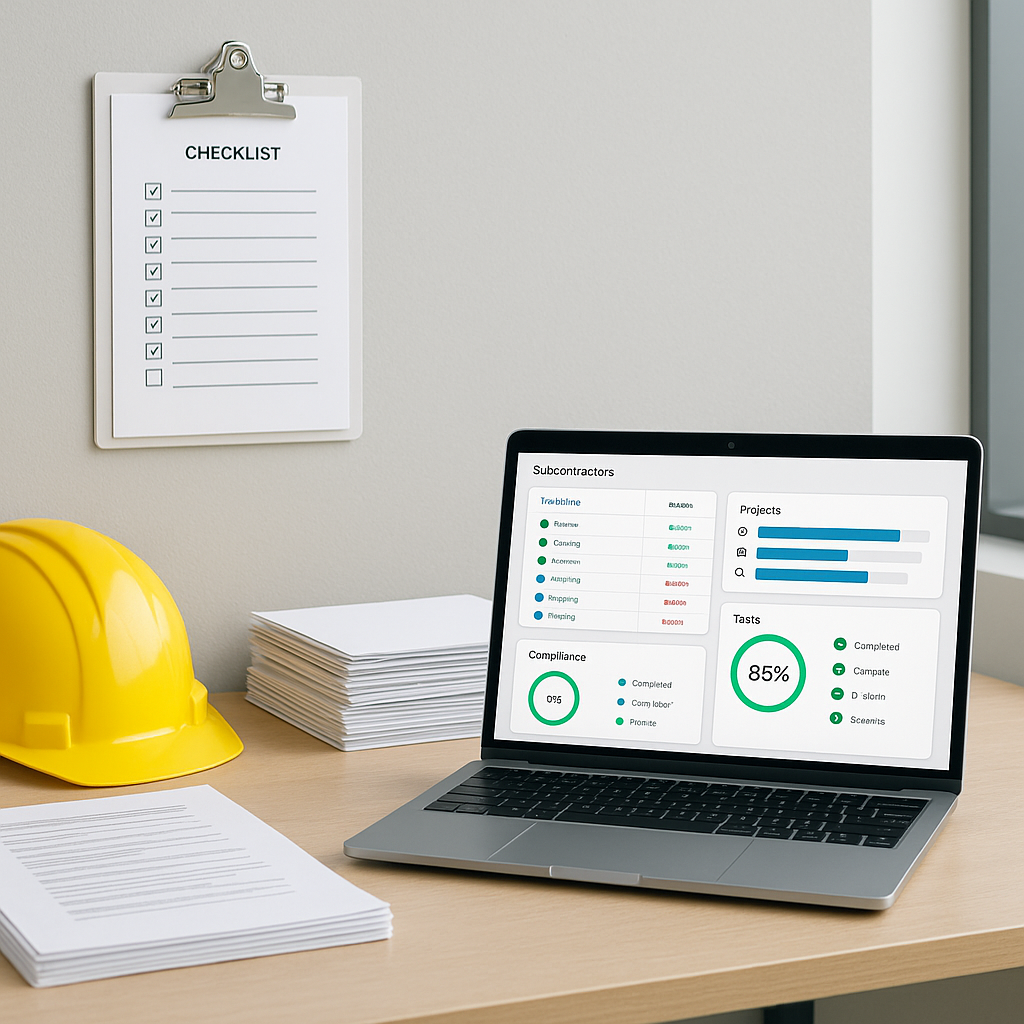
You’re probably not starting from scratch. Maybe you use Tally for accounting or Excel for budgeting. Your ERP should integrate seamlessly with these tools. If it doesn’t, you’ll waste time manually transferring data—and that’s a recipe for errors.
For instance, JobNext offers Tally integration to simplify statutory compliance for Indian contractors. It’s small details like this that make or break your ERP experience.
4. How Does It Handle Procurement?
Procurement is a headache for most contractors. From creating Material Requests (MR) to managing purchase orders (PO), it’s a process full of delays and manual errors. Your ERP should streamline this with structured workflows.
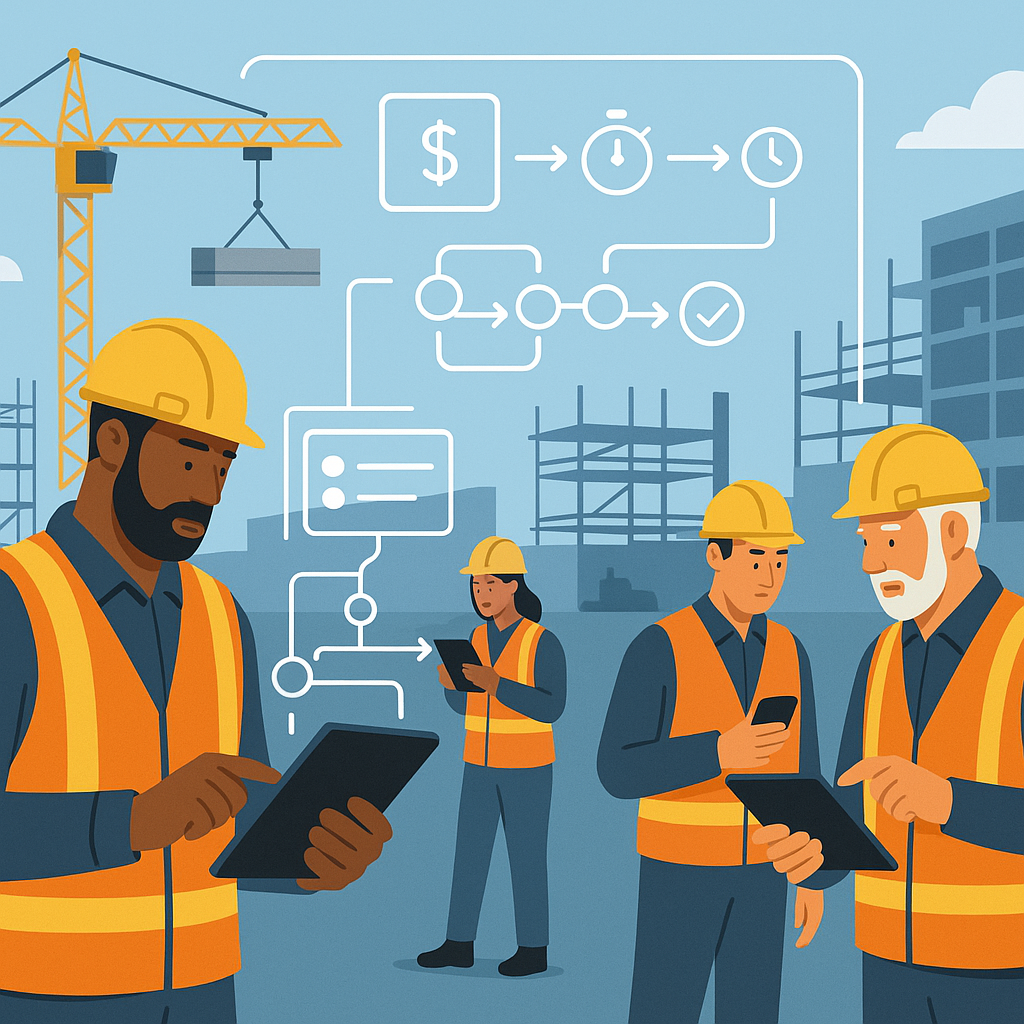
Take JobNext’s MR → RFQ → Vendor Offers → PO approval chain. It’s designed to eliminate procurement chaos, ensuring you get the right materials at the best price. If you’re still sending emails and tracking orders in spreadsheets, you’re wasting time—and money.
5. Does It Support All Billing Methods?
Billing is complicated in construction. You’ve got RA Bills, milestone-based billing, BOQ-based billing, and more. If your ERP doesn’t support all these methods, you’ll miss revenue.
Think about it. A missed RA Bill for a ₹50 lakh project can wipe out your margins. That’s why JobNext includes six billing methods to cover every scenario. Learn more here.
6. Is It Cloud-Based?
On-premise systems are outdated. Cloud ERP gives you access anytime, anywhere. This is critical for contractors managing field teams and remote sites. Plus, cloud systems are easier to update and scale as you grow.
Still skeptical? This post explains why cloud ERP is no longer optional—it’s essential.
7. Does It Fit Your Budget?
Finally, cost. But don’t just look at the sticker price. Evaluate Total Cost of Ownership (TCO). Some ERPs seem cheap upfront but cost you more in the long run with add-ons, downtime, or inefficiencies.
We’ve seen contractors choose “affordable” systems only to switch a year later. Save yourself the trouble. Pay for quality upfront—it’ll pay off.
Final Thought: Don’t Rush It
Choosing the best construction ERP software isn’t quick or easy. But it’s worth the effort. Ask the tough questions, compare options, and don’t settle for “good enough.”
And if you’re still not sure? Check out Why Contractors Lose Margins Without Cloud ERP (And How to Fix It). It’s a solid starting point to understand what’s at stake.
The right ERP won’t just save you money—it could save your business.
Ready to see JobNext in action?
Multi-tenant SaaS ERP for construction, facilities management, and contracting — covering preconstruction, project execution, procurement, HR & payroll, equipment, finance, and 150+ analytics reports.
Get Started Free →Learn more at JobNext.ai