Finance and Billing in Construction: 6 Methods You Should Know
Billing in construction is messy. We’ve seen contractors lose margins, delay collections, and even trigger disputes just because they didn’t use the right billing method. It’s not just about sending invoices — it’s about aligning payment terms with project execution. Done right, you protect your cash flow and avoid nasty surprises. Done wrong, you’re chasing money and fixing errors.
Here’s the kicker: there isn’t one “best” billing method. The right choice depends on your project type, contract terms, and scope of work. Let’s break down six billing methods every contractor should know, plus where and when they make sense.
1. RA Bills (Running Account Bills)
RA bills are the bread and butter of progress-based projects. Every month (or agreed interval), you bill for completed work based on measurements. Think road projects, high-rise buildings, or anything with clear stages.
Pros:
- Matches cash flow to project progress.
- Reduces disputes by tying invoices to measurable outputs.
Cons:
- Measurement errors can derail collections.
- Requires tight documentation and site coordination.
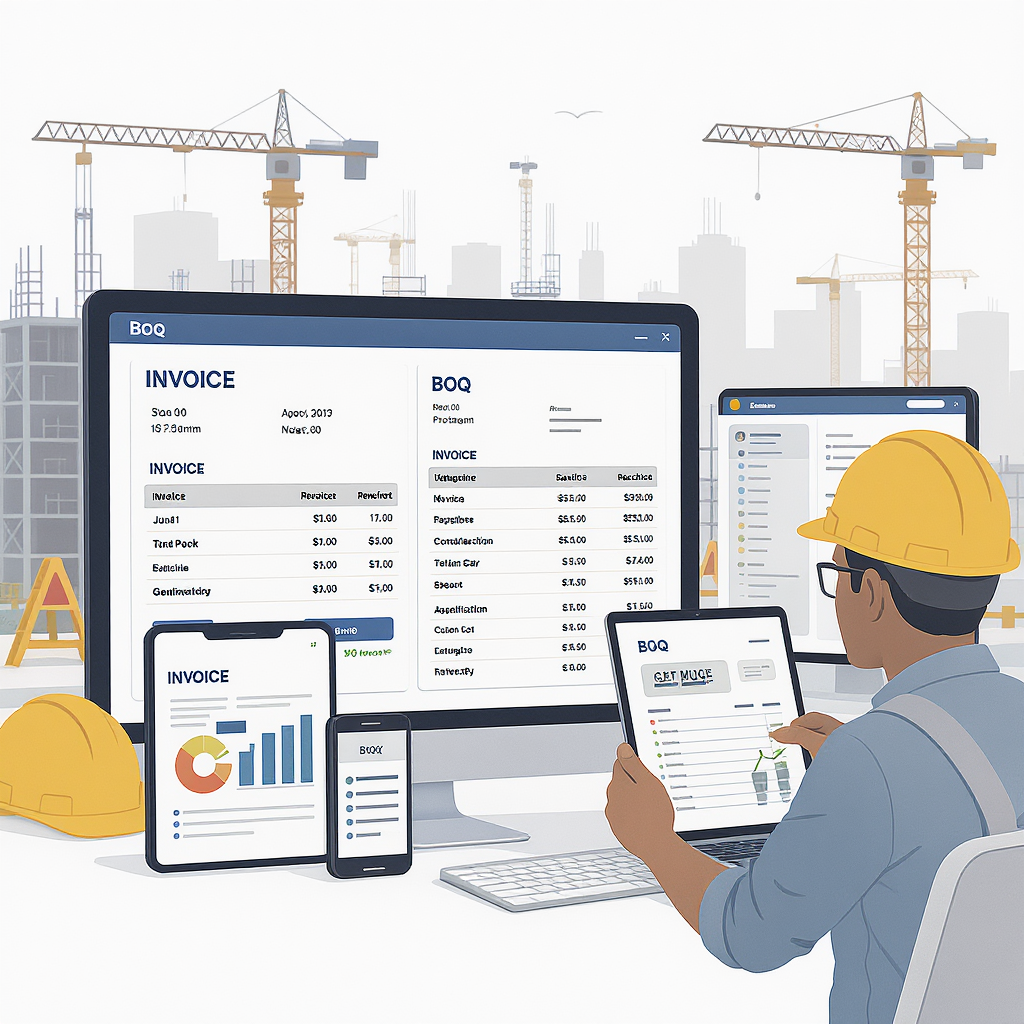
Practical Tip: If you’re using JobNext, RA billing is streamlined with measurement-based progress tracking. You can link completed BOQs directly to invoice generation — no manual reconciliation needed. This feature has saved contractors days of back-and-forth with clients.
2. Stage-Wise Billing
This method is perfect for milestone-heavy projects — think MEP installations or turnkey interiors. You bill once a stage is fully complete (e.g., electrical wiring or plumbing).
Pros:
- Clear payment triggers reduce ambiguity.
- Works well for subcontractor engagements.
Cons:
- Requires upfront agreement on milestones.
- Delays in one stage can stall the entire cycle.
Case Example: One of our clients in Oman used stage-wise billing for a multi-site facilities management project. The JobNext platform helped them track milestone completion across 1,200+ sites, ensuring accurate and timely invoices.
3. Monthly Billing
Simple and predictable, monthly billing works for long-term contracts like maintenance services or recurring deliveries.
Pros:
- Easier to forecast revenue.
- Reduces admin overhead for routine work.
Cons:
- Doesn’t account for project-specific progress.
- Can lead to cash flow mismatches if work accelerates.
Why It Matters: In the GCC market, contractors running multi-country operations often prefer monthly billing for simplicity. But this can mask revenue leakage if billing isn’t tied to actual work progress. Read our guide for strategies to avoid this trap.
4. Supply BOQ Billing
If you’re a trading contractor supplying materials, this method fits perfectly. You bill based on BOQ (Bill of Quantities) items delivered.
Pros:
- Easy to track against supply contracts.
- Ideal for one-time or batch deliveries.
Cons:
- Doesn’t work for labor-intensive projects.
- Requires tight inventory control to avoid errors.
Pro Insight: JobNext’s trading module integrates BOQ billing with inventory management, so you can generate invoices directly from delivered quantities without manual entry. This eliminates the risk of overbilling.
5. Combined Billing
Some projects require hybrid billing — combining RA, BOQ, and other methods. For instance, an EPC contractor might bill progress on construction while invoicing BOQ items for delivered materials.
Pros:
- Flexibility for complex contracts.
- Captures all revenue streams.
Cons:
- Harder to track manually.
- Risks double billing if systems aren’t unified.
Don’t Wing It: If your billing spans multiple methods, disconnected tools are a nightmare. The Hidden Cost of Tool Fragmentation explains why unified workflows matter — especially for billing.
6. One-Time Billing
Got a short-term project? One-time billing is as straightforward as it gets. You invoice once the work or delivery is complete.
Pros:
- Simplifies admin for small projects.
- No ongoing tracking required.
Cons:
- Zero flexibility for scope changes.
- Cash flow depends entirely on final payment.
When It Works: Use this method for one-off interior fit-outs or equipment rentals. But keep an eye on payment terms — upfront deposits can reduce risk.
Why Billing Methods Matter
The billing method isn’t just about how you get paid. It affects everything — cash flow, client relationships, and project profitability. And here’s the truth: most contractors use multiple methods across projects, which makes manual tracking a recipe for chaos.
This is where digitization helps. Tools like JobNext let you manage all six methods in one platform, with workflows tailored to each. You don’t just send invoices — you ensure they match your project reality.
For a deeper dive into digitizing construction workflows, check out ERP Implementation for Contractors: The Phased Approach That Actually Works. It’s packed with practical lessons from real-world deployments.
Final Thoughts
Billing is a cornerstone of construction finance. Get it wrong, and you’re chasing payments. Get it right, and you’re protecting margins. The six methods we’ve covered aren’t theoretical — they’re what contractors actually use on the ground.
If you’re struggling with manual invoicing or disconnected systems, it’s time to rethink your approach. Unified workflows aren’t just convenient — they’re essential. Let’s stop leaving money on the table.
Ready to see JobNext in action?
Multi-tenant SaaS ERP for construction, facilities management, and contracting — covering preconstruction, project execution, procurement, HR & payroll, equipment, finance, and 150+ analytics reports.
Get Started Free →Learn more at JobNext.ai