Why Do So Many ERP Implementations Fail in Construction?
Let’s not sugarcoat it—choosing the wrong ERP for your construction business can cost you big. Not just in money, but also in time, frustration, and missed opportunities. We've seen contractors lose months chasing functionality they didn’t need, or worse, end up with disconnected tools that barely talk to each other.
According to McKinsey, the global construction industry has been slow to digitize, and poor productivity costs the sector over $1.6 trillion annually. A major culprit? Disconnected systems that fail to provide real-time insights.
The right ERP can turn this around—but only if you know what to look for. Let’s unpack the common mistakes contractors make and how to avoid them.
Mistake #1: Ignoring Unified Workflows
If your ERP doesn’t unify workflows across departments, you’re setting yourself up for chaos. Imagine your procurement team approving a purchase order while your finance team is still waiting for cost details. Or worse, your project manager can’t see subcontractor progress because their data sits in a separate tool.
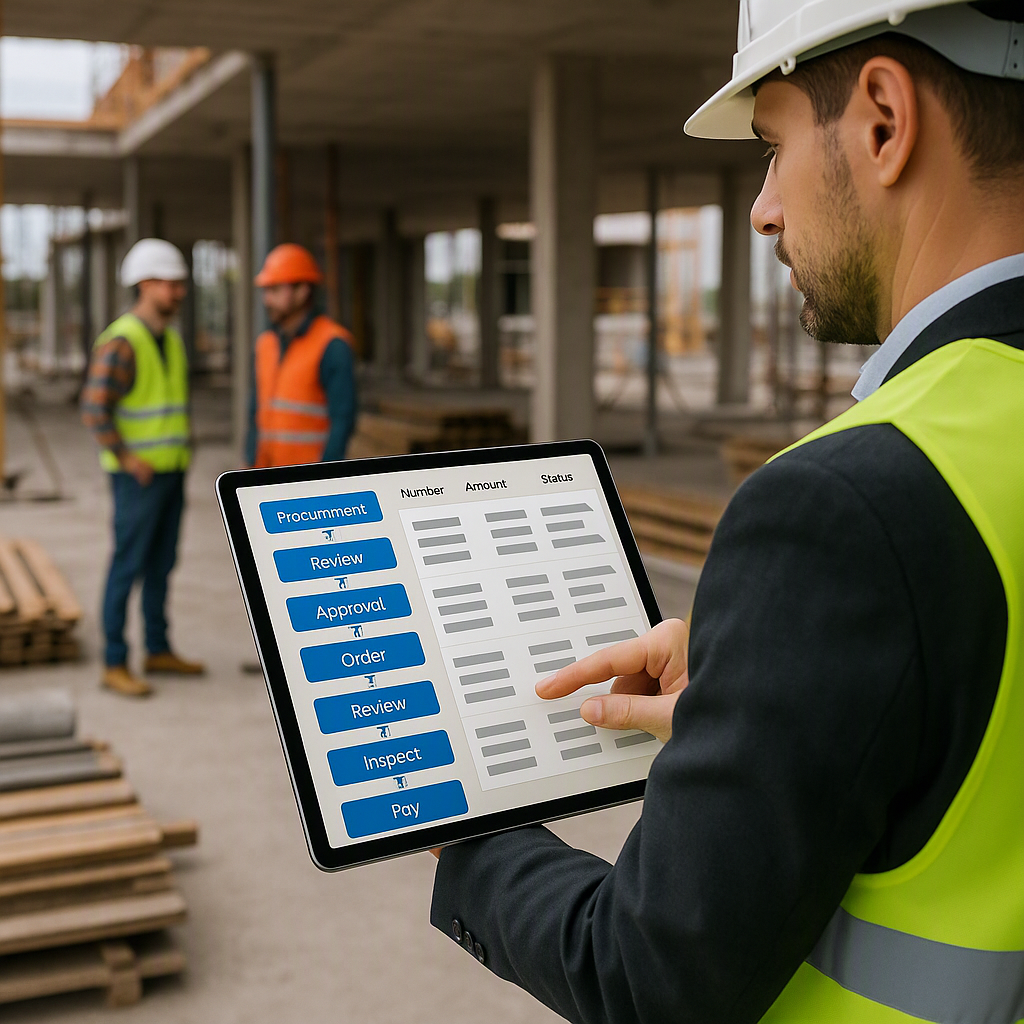
This is exactly why a system like JobNext shines. It ensures that workflows—like Material Requisitions (MR → RFQ → PO)—are connected end-to-end. No silos, no missed approvals.
We’ve worked with contractors who saved 15-20% on procurement costs just by streamlining these processes. That’s not theoretical; it’s real money you’re leaving on the table if your ERP doesn’t prioritize integration.
Mistake #2: Overlooking Real-Time Cost Tracking
Think you’re tracking costs accurately? Most contractors aren’t. A JobsNext.ai study found that 70% of margin erosion happens because costs aren’t tracked until it’s too late. If your ERP doesn’t let you monitor BOQ-level profitability in real time, you’re flying blind.
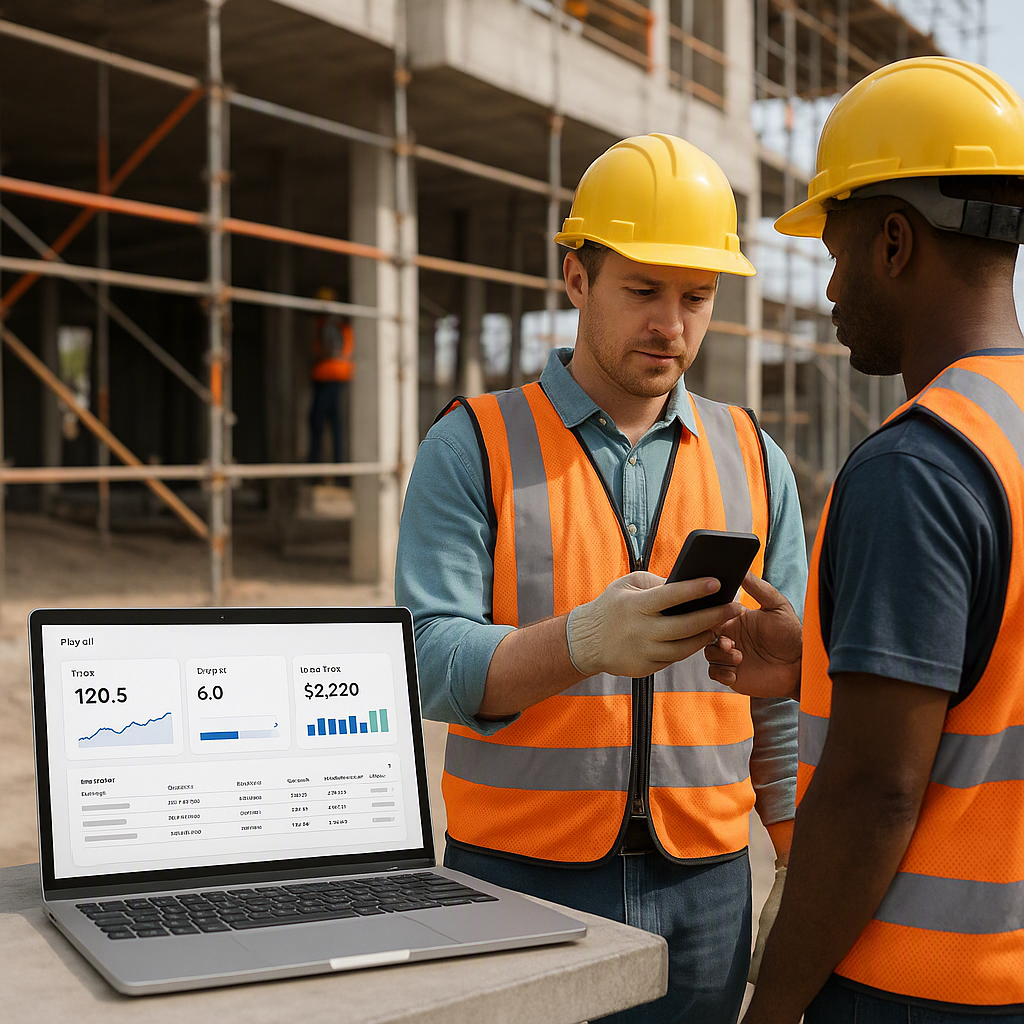
We’ve seen this firsthand with contractors in the UAE. One client was losing 10% of their margins on every project because they couldn’t tie labor costs back to project scopes. After switching to an ERP with real-time dashboards, they identified and fixed cost overruns within weeks.
Pro tip: Make sure your ERP offers granular reporting—not just top-line summaries. You need to know where every rupee or dirham is going.
Mistake #3: Ignoring Billing Complexities
Revenue leakage is a silent killer. Miss one RA bill, delay a stage-wise invoice, or forget to account for combined billing methods, and your cash flow’s in trouble.
Your ERP must support all billing scenarios. Systems like JobNext cover 6 billing methods, including RA bills and stage-wise invoicing. Why does this matter? Because no two projects are the same. A contractor handling high-value EPC projects in Saudi Arabia has vastly different billing needs compared to an HVAC subcontractor in India.
This article dives deeper into how cloud ERPs prevent revenue leakage. But the gist is clear: If your ERP doesn’t handle billing complexity, you’re risking profit leaks.
Mistake #4: Choosing Features Over Usability
It’s tempting to go for the ERP with the longest feature list. Don’t. Features are worthless if your team can’t—or won’t—use them.
We recommend asking your vendor for a day-in-the-life demo. Watch how they handle specific workflows, like subcontractor management or equipment utilization. Can your site supervisors understand the interface? Are the approval workflows intuitive? If not, move on.
Mistake #5: Ignoring Compliance and Localization
This one’s a big deal, especially in India and GCC countries. Your ERP must handle region-specific compliance, like GST, TDS, PF, and ESI in India or WPS payroll in the UAE. Without this, you’ll spend hours reconciling accounts manually. Worse, you risk hefty fines for non-compliance.
JobNext, for instance, integrates directly with Tally for statutory reporting in India. That’s one less headache for your finance team.
Mistake #6: Underestimating Scalability
Your business will grow (hopefully). But will your ERP grow with it?
We’ve seen contractors outgrow their systems in under two years because they didn’t plan for scale. A good ERP should support hundreds of concurrent users, multiple sites, and multi-currency operations. If it doesn’t, you’re setting yourself up for another migration—and another round of disruption.
Mistake #7: Skipping Vendor Support
ERP implementation isn’t a one-and-done deal. You’ll need ongoing support, especially during the first year. Ask your vendor about their support structure. Do they offer local support in your region? What’s their SLA for resolving issues? Trust us, this matters more than you think.
Final Thoughts
Choosing the best construction ERP isn’t just about ticking boxes. It’s about finding a system that fits your workflows, supports your growth, and actually gets used. Systems like JobNext aren’t just about features—they’re about solving real-world problems, like margin erosion and disconnected workflows.
Want to dig deeper? Check out Why Contractors Lose Margins Without Cloud ERP (And How to Fix It) for more insights into what makes a great ERP for construction.
Don’t let the wrong ERP hold your business back. Get it right the first time.
Ready to see JobNext in action?
Multi-tenant SaaS ERP for construction, facilities management, and contracting — covering preconstruction, project execution, procurement, HR & payroll, equipment, finance, and 150+ analytics reports.
Get Started Free →Learn more at JobNext.ai