Why Choosing the Right Construction ERP Matters
Let’s start with the obvious: construction margins are brutal. You get paid late, costs spiral out of control, and somehow, the books never match your project estimates. Sound familiar? It’s no surprise that contractors lose up to 20% of project margins to poor cost tracking and billing errors (source). The right ERP can stop that from happening. The wrong one? It’ll bury you in more problems.
In this guide, we’ll show you how to pick the best construction ERP for your business. Spoiler: it’s not about ticking boxes on feature lists. It’s about solving the specific problems killing your profits.
The Top 3 Mistakes Contractors Make When Choosing an ERP
-
They Ignore Real-Time Cost Tracking
Most contractors don’t realize this until it’s too late: if your ERP doesn’t track costs in real-time, you’re playing a losing game. Why? Because by the time you reconcile costs at month-end, the damage is done. You’ve overspent. Maybe even underbilled.
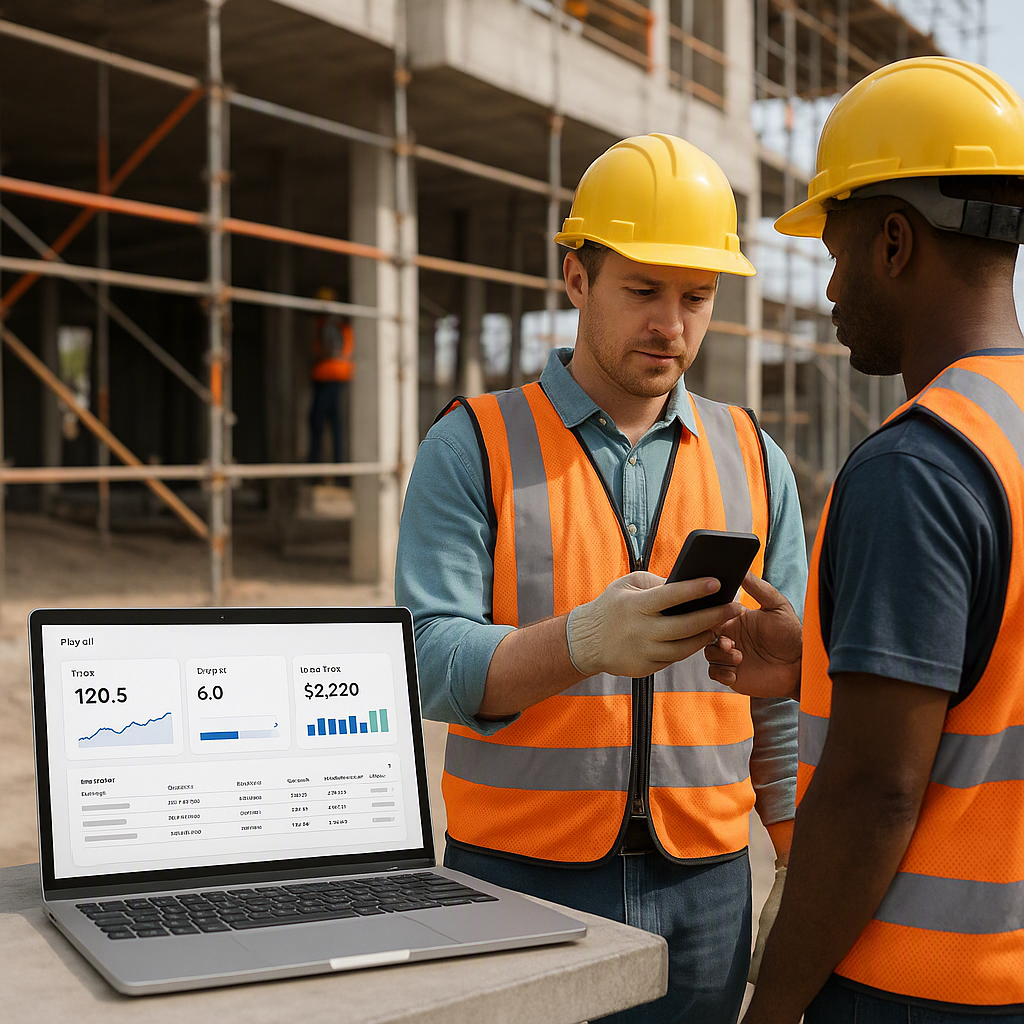
Real-time cost tracking should be non-negotiable. Tools like JobNext’s BOQ/WBS-based cost tracking show you exactly where your project stands, at any moment. For example, if your subcontractor costs are exceeding the budget on a specific scope, you’ll know immediately—not three weeks later when invoices pile up.
-
They Overlook Billing Complexity
Construction billing isn’t simple. RA bills. Stage-wise. Monthly. One-time. Supply BOQ. Combined billing. If your ERP can’t handle all these methods, you’ll either be stuck with manual workarounds (read: errors) or leave money on the table. A lot of it.
Case in point: contractors using cloud ERPs like JobNext report fewer disputes and faster approval cycles because all billing is linked directly to project progress and measurements (source).
-
They Choose Features Over Usability
A feature-packed ERP sounds great—until your team refuses to use it. Why? Because it’s clunky, confusing, and takes 10 clicks to do something simple. We’ve seen contractors spend lakhs on software they couldn’t even implement because their site teams felt it was “too much work.”
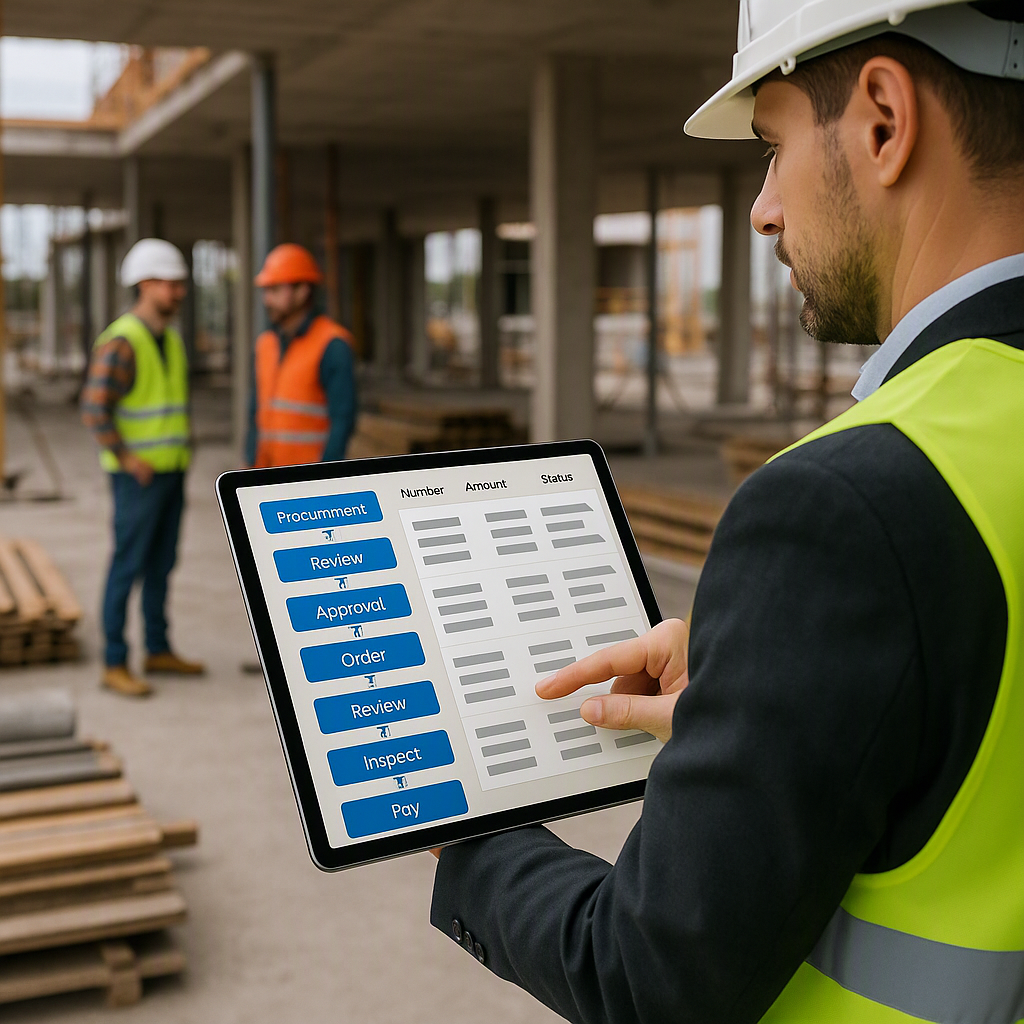
Look at the workflow, not just the features. For example, in JobNext, procurement isn’t just a list of MRs and POs. It’s a structured workflow: Material Request → RFQ → Vendor Offers → Purchase Order. Clean, logical, and easy for site engineers to follow.
5 Questions Every Contractor Should Ask Before Choosing an ERP
-
Does it give you a single source of truth?
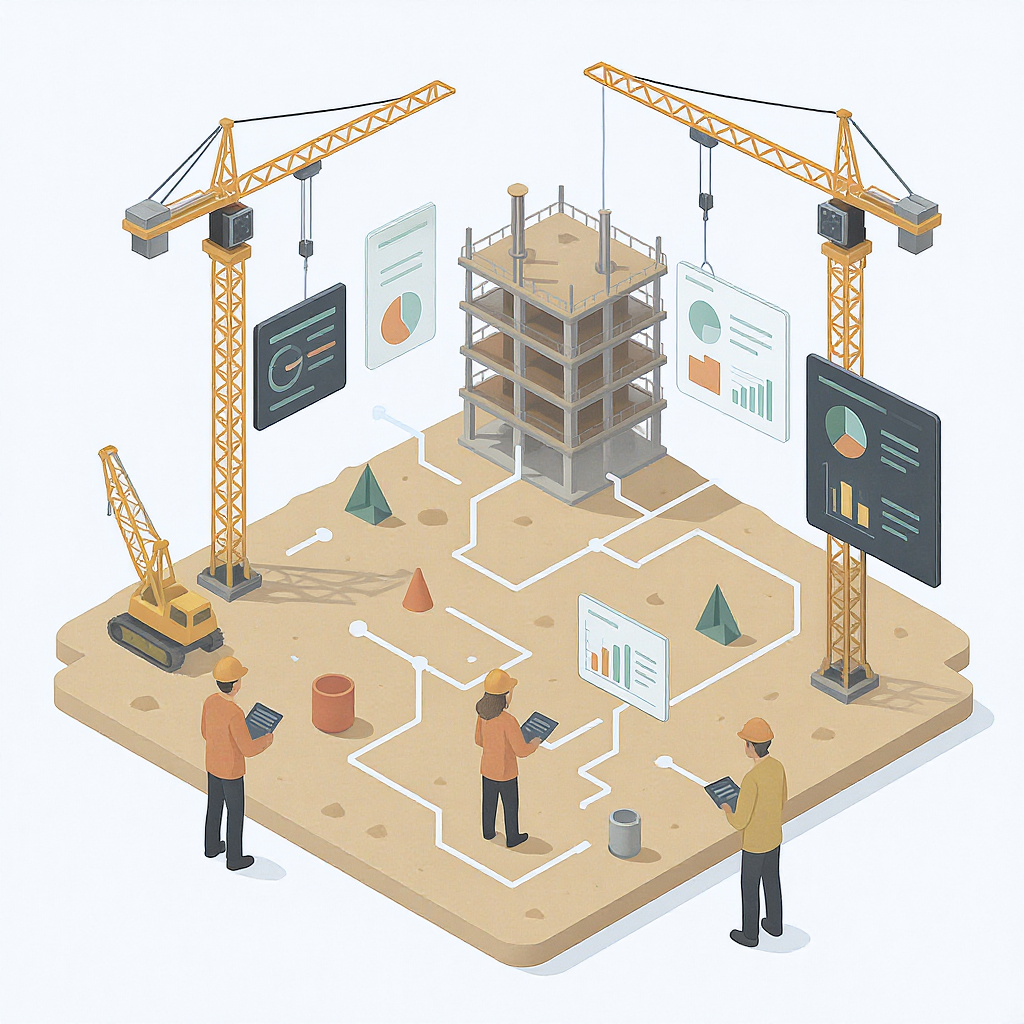
Construction projects are multi-site, multi-team, and multi-budget nightmares. If your ERP can’t connect data from procurement, billing, finance, and HR, you’ll never have full visibility. Look for a unified platform that replaces disconnected tools. -
Can it handle compliance?
In India, statutory compliance is a headache: GST, TDS, PF, ESI, you name it. Skip an ERP that can’t automate these processes. Bonus points if it integrates with Tally for reporting. -
How does it manage multi-site operations?
Site-based attendance, payroll, and staff allocation shouldn’t require 10 Excel sheets. The right ERP automates these for you. For example, JobNext’s HR module tracks attendance across camps and sites in real-time, syncing it with payroll seamlessly. -
What’s the ROI timeline?
A good ERP should show ROI within 12-18 months. If a vendor can’t demonstrate cost savings (e.g., fewer billing errors, reduced procurement delays), walk away. -
Can they prove it works for businesses like mine?
Ask for references. If you’re a mid-size contractor, don’t buy a solution built for billion-dollar EPCs—it’ll be overkill. And if the vendor can’t show success stories from companies of your size, that’s a red flag.
Practical Example: How the Wrong ERP Costs You Margins
Let’s say you’re managing a 120-core team across five sites. The project has tight budgets and a mix of RA and milestone-based billing. Without an ERP that integrates cost tracking, progress tracking, and billing, here’s what happens:
- Your site engineers miss recording a few subcontractor measurements on time. Payments get delayed, disputes arise, and your reputation takes a hit.
- You realize halfway through the project that the material budget for one scope is blown. But it’s too late—you’ve already issued POs.
- Billing gets stuck because the finance team is waiting for progress updates from site managers. Cash flow suffers, and so do your vendor relationships.
Now imagine a cloud ERP like JobNext. It tracks subcontractor progress, flags over-budget scopes in real-time, and links billing to progress automatically. That’s the difference between losing margins and protecting them.
Final Thoughts: Don’t Settle for “Good Enough”
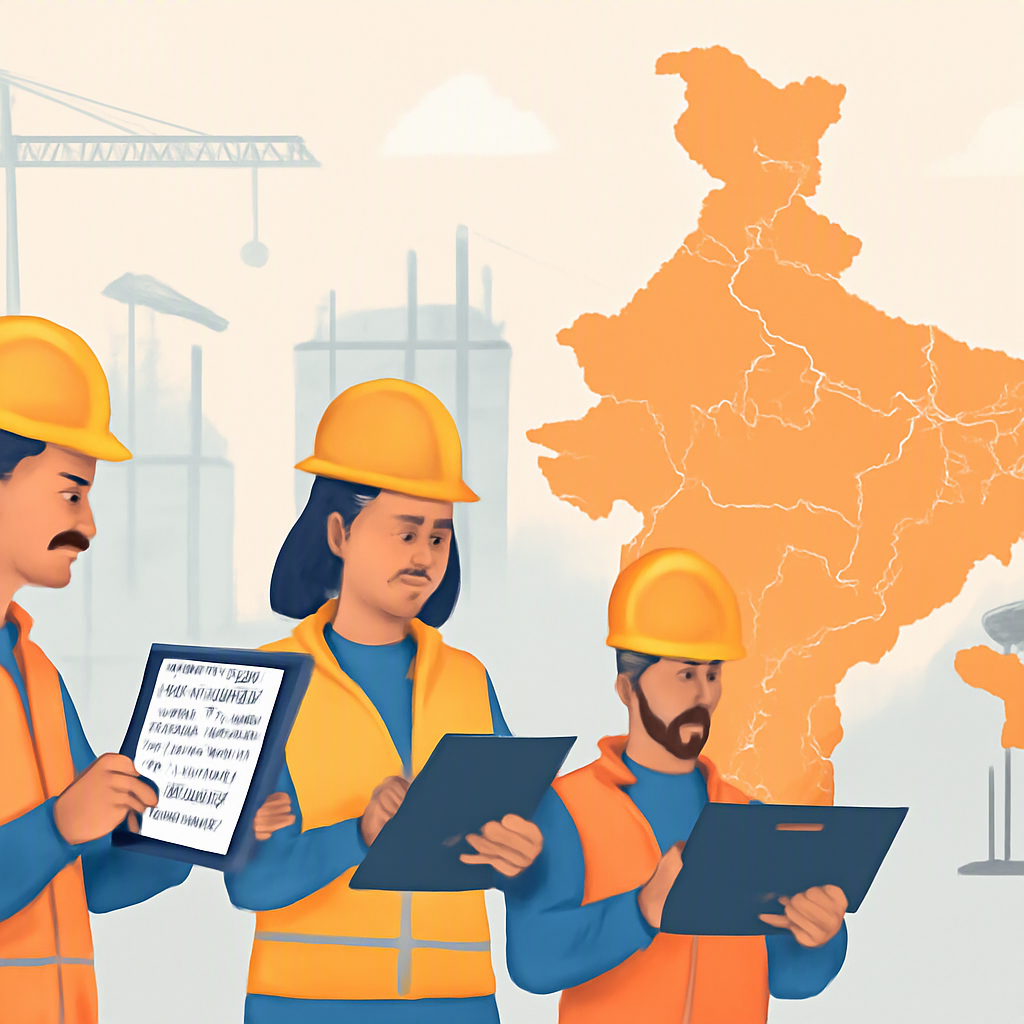
Choosing the best construction ERP isn’t just an IT decision. It’s a business survival decision. Margins are too tight to waste on disconnected systems or manual chaos. Look for an ERP that solves real problems—like JobNext does for mid-size contractors in India and the GCC.
Want to see how it works in action? Read this case study on how Al Nab’a Services streamlined operations across 1,200+ sites with JobNext.
Related Reading:
- Why Margin Erosion is Killing Contractors – And How Cloud ERP Fixes It
- 5 Ways Cloud ERP Stops Profit Leaks in Construction Projects
- Construction Digital Transformation: A No-Nonsense Roadmap for Mid-Size Contractors
Ready to see JobNext in action?
Multi-tenant SaaS ERP for construction, facilities management, and contracting — covering preconstruction, project execution, procurement, HR & payroll, equipment, finance, and 150+ analytics reports.
Get Started Free →Learn more at JobNext.ai