The Ticking Clock on Construction Margins
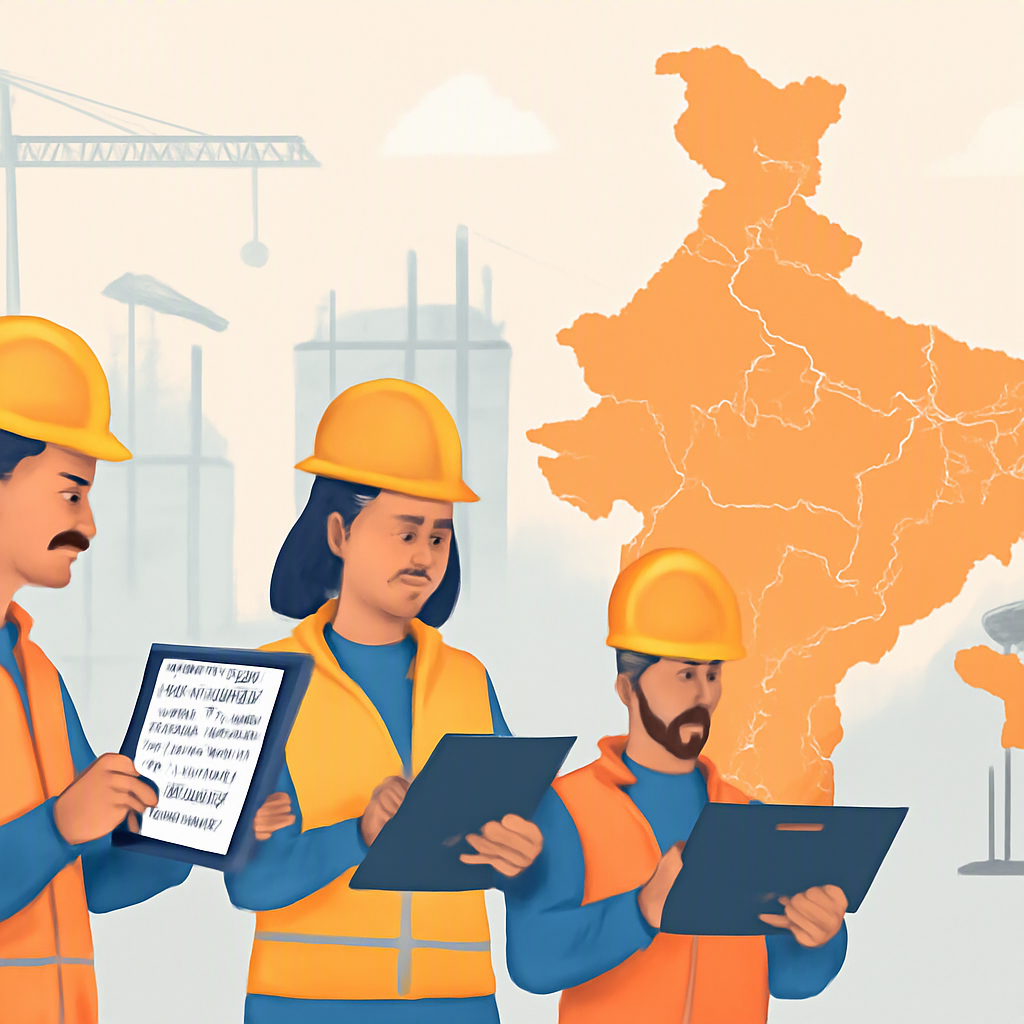
By 2026, construction companies operating without cloud-based ERP systems will find themselves at a severe disadvantage. Why? Because the industry isn't forgiving anymore. Margins are razor-thin, with most contractors operating between 2-7% profitability. Material costs have surged unpredictably in the last five years (Construction Supply Chain Resilience), and manual processes aren't keeping up. If you're still relying on spreadsheets or disconnected tools, you're bleeding money — and probably don't even know where.
Problem: Manual Procurement Chaos
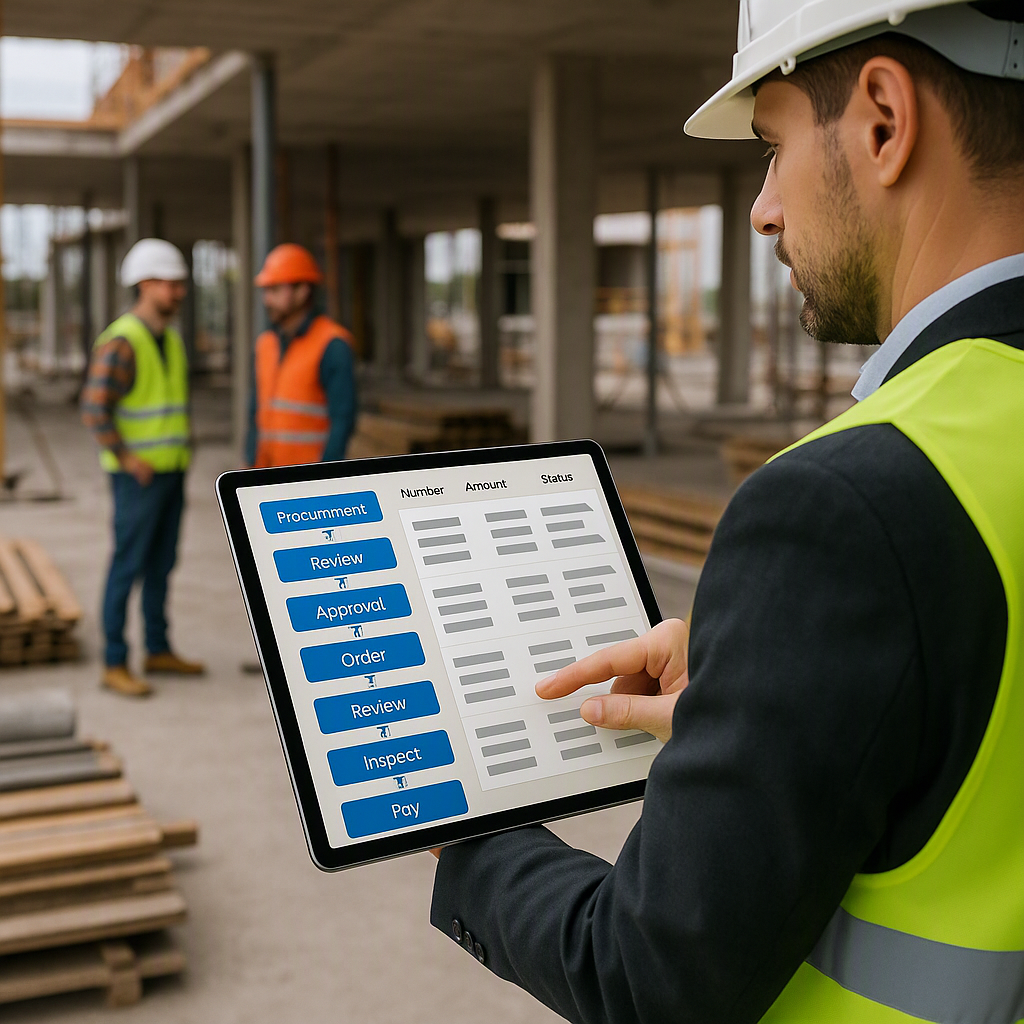
Let’s start with one of the biggest operational headaches: procurement. For mid-size contractors juggling multiple projects, the material requisition (MR) to purchase order (PO) process is often a mess. Requests are delayed, RFQs are scattered across emails, and approvals get stuck in someone's inbox. Worse, a lack of visibility means you're over-ordering materials for one site while under-ordering for another. Sound familiar?
This isn't just inefficient — it's costing you real money. A delayed RFQ can mean paying 20% more for urgent procurement, or worse, halting site operations altogether. And don't even get me started on vendor negotiations when you can't track historical pricing.
Solution: Cloud ERP to the Rescue
Here’s where a cloud-based ERP like JobNext changes the game. With structured procurement workflows — MR → RFQ → Vendor Offers → PO — everything is centralized. Need to get RFQs out to 10 vendors? It’s a few clicks. Want to enforce approval chains so rogue purchases don’t happen? Built-in. And because the system is cloud-based, procurement managers can review and approve requests from anywhere, whether they're at the site or halfway across the world.
This isn’t just theory. One of our clients, a mid-size contractor in Oman, cut their average procurement cycle by 45% after implementing JobNext. They went from firefighting urgent requests to proactively managing purchases, saving 12% on material costs in the first year alone.
Why Cloud-Based Matters
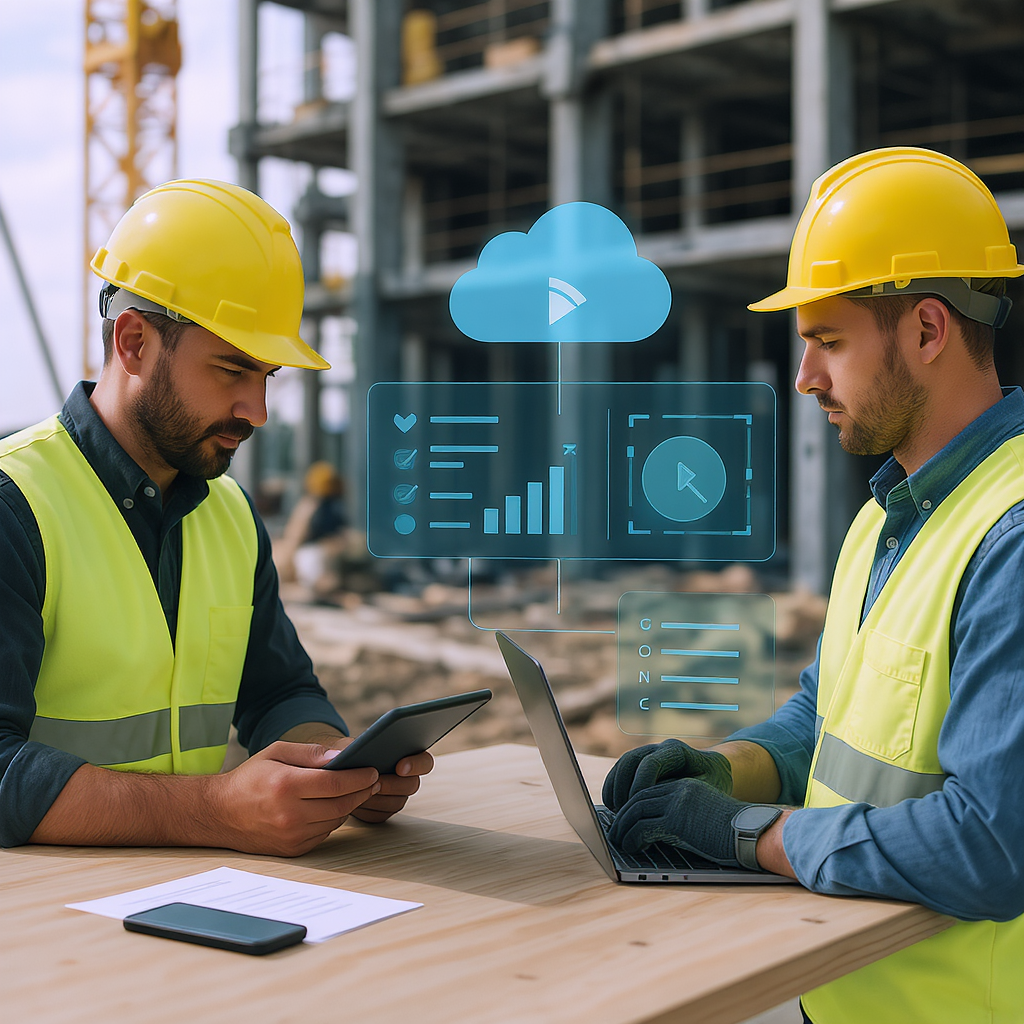
You might be thinking, "Why does the 'cloud' part matter? Can’t we just use on-premise ERP?" The short answer: flexibility and scalability. Cloud-based systems let your teams work from anywhere, which is crucial when your procurement lead is in Dubai, the project manager is in Riyadh, and the site is in Jeddah. Everyone accesses the same real-time data, reducing miscommunication and delays.
Plus, cloud ERP systems are easier to scale. On-premise solutions require expensive hardware upgrades and maintenance. In contrast, cloud platforms like JobNext handle all updates automatically. You get new features without lifting a finger.
The Bigger Picture: Connecting Silos
Procurement is just one piece of the puzzle. Construction companies also struggle with cost tracking, subcontractor management, and billing. Without a unified platform, information is scattered across spreadsheets, emails, and siloed software. This fragmentation isn’t just inefficient; it’s actively harmful. A missed subcontractor payment or underbilled milestone can erode trust and margins.
We’ve talked about this before in The Hidden Cost of Tool Fragmentation. The average worker uses five or more apps daily, and disconnected systems mean critical data falls through the cracks. A cloud ERP solves this by connecting every department — from HR to finance to project execution — in one platform.
What Happens If You Don’t Adapt?
Let’s be blunt. If you’re not considering cloud ERP by 2026, your competitors already are. In the GCC alone, technology adoption is accelerating (Construction Technology Adoption in the GCC). Mega-projects like NEOM are setting new standards for transparency and efficiency. If your systems can’t meet those standards, you won’t even qualify for bids.
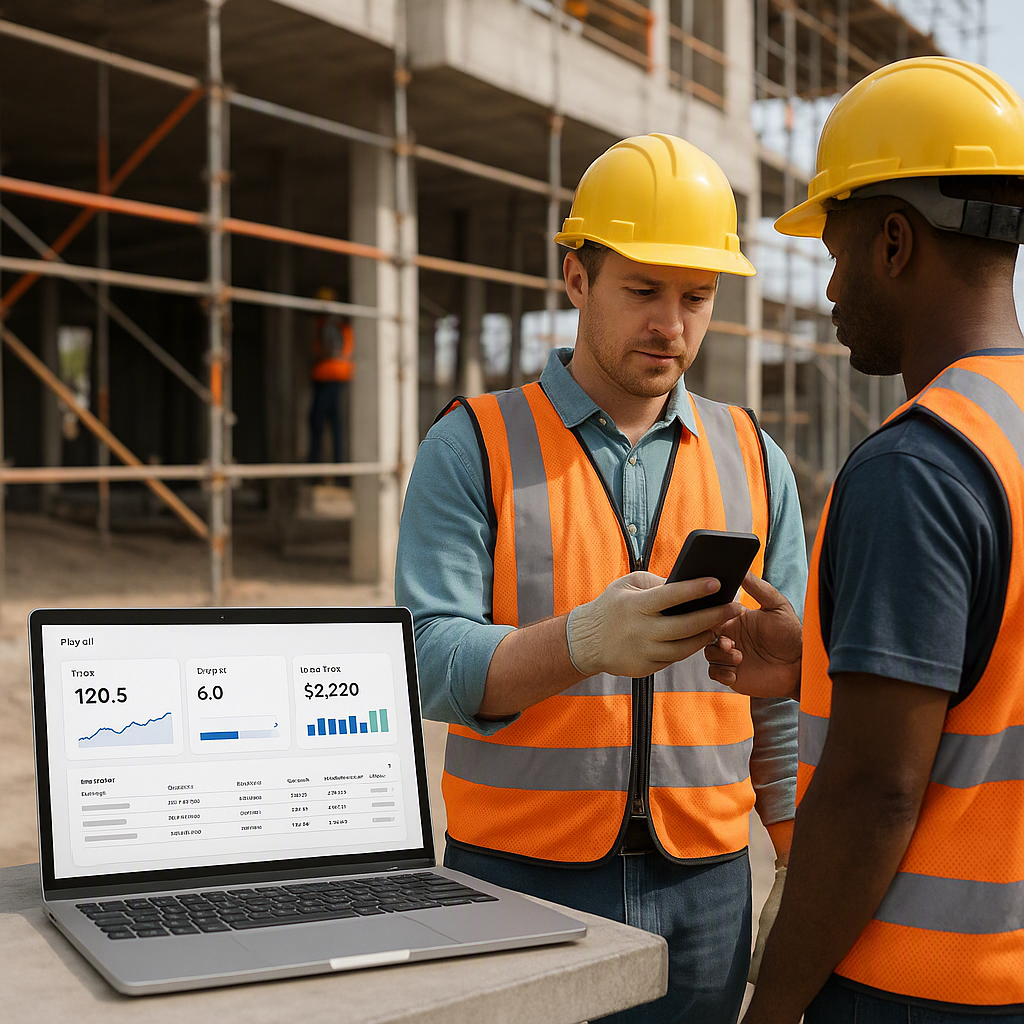
The risks go beyond lost projects. Without real-time cost tracking, you’ll struggle to spot margin erosion until it’s too late. And when material prices spike again (they will), how will you adapt without accurate forecasting?
The Bottom Line: Act Now
Cloud-based ERP isn’t a luxury anymore; it’s a necessity. It streamlines procurement, improves cost tracking, and connects your entire operation, giving you the agility to compete in a volatile market. The longer you wait, the harder it’ll be to catch up.
If you’re serious about future-proofing your business, start evaluating cloud ERP options now. And if procurement chaos or tool fragmentation sounds all too familiar, JobNext might be the right place to start.
Recommended Reading:
- The Contractor's First ERP: What Nobody Tells You About Going Digital
- ERP Implementation for Contractors: The Phased Approach That Actually Works
Ready to see JobNext in action?
Multi-tenant SaaS ERP for construction, facilities management, and contracting — covering preconstruction, project execution, procurement, HR & payroll, equipment, finance, and 150+ analytics reports.
Get Started Free →Learn more at JobNext.ai