Why Contractors in the UAE and India Can’t Avoid ERP Anymore
Margins are under attack. Labor costs are climbing, material prices are volatile, and manual processes just can’t keep up. We’ve seen contractors lose up to 20% of their margins because they can’t track project costs in real time. If your business runs multiple projects, in multiple locations, with a mix of direct hires and subcontractors, here’s the hard truth: spreadsheets will fail you.
You might be thinking, “But we’ve always managed without ERP systems. Why change now?” Here’s why: the stakes are higher. Projects are bigger. Clients expect tighter timelines and transparent billing. Without real-time visibility into your costs, you’re flying blind. And that’s exactly how contractors bleed money without even realizing it.
Here’s a detailed breakdown of margin erosion in construction and how cloud ERP fixes it. Spoiler: it’s not just about tech—it’s about survival.
The 5 Red Flags: When to Switch to a Construction ERP
Not sure if now’s the right time for ERP? Look for these signs:
1. You’re Losing Track of Costs at the BOQ Level
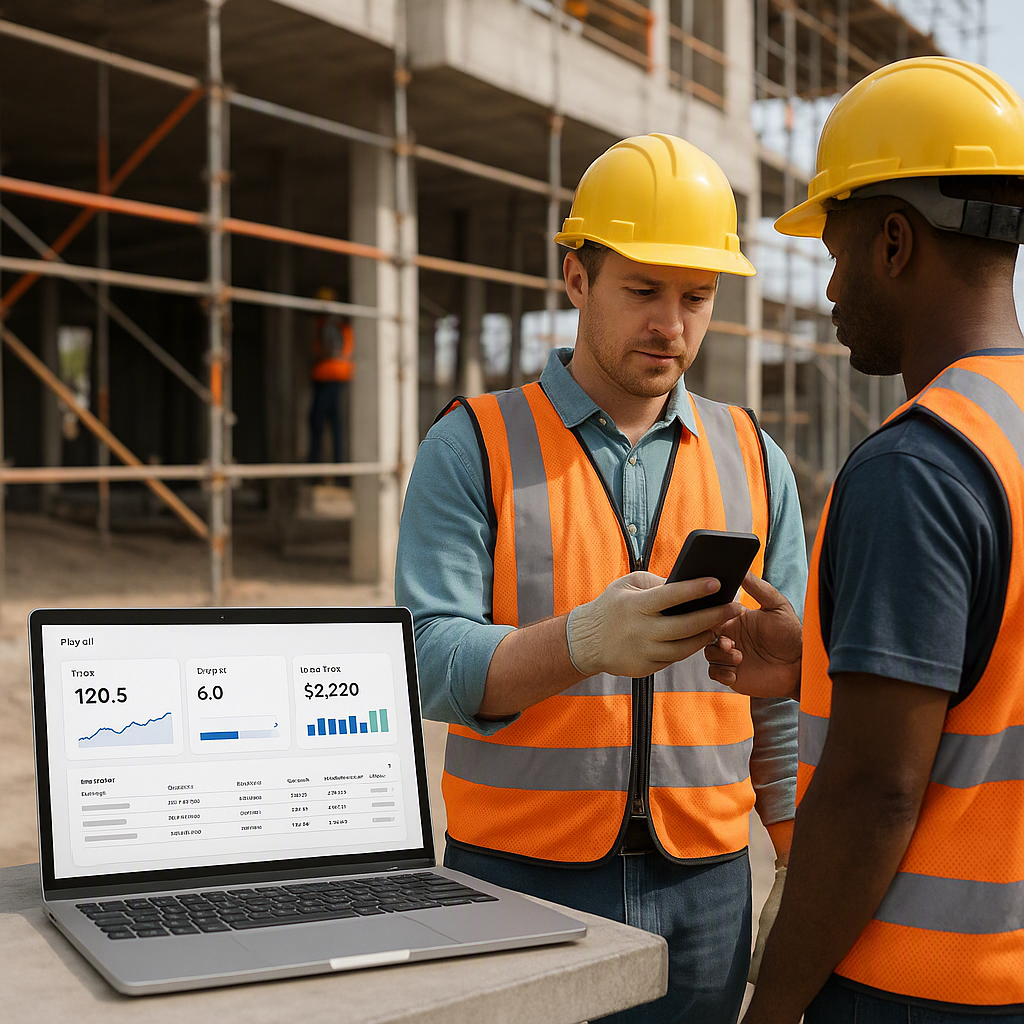
If you don’t know which BOQ items are eating into your profits, you’re already losing money. A cloud ERP like JobNext fixes this by giving you real-time project profitability data—right down to the last line item. Imagine spotting a cost overrun in steel before it spirals out of control. That’s not a luxury; it’s a necessity.
2. Subcontractor Payments Are Delayed or Overpaid
If your subcontractors are constantly chasing payments—or worse, you’re overpaying them due to mismanaged progress measurements—you’ve got a problem. JobNext’s subcontractor management module ensures that payments are tied to actual work progress. No more guesswork. No more chaos.
3. Procurement Is a Mess
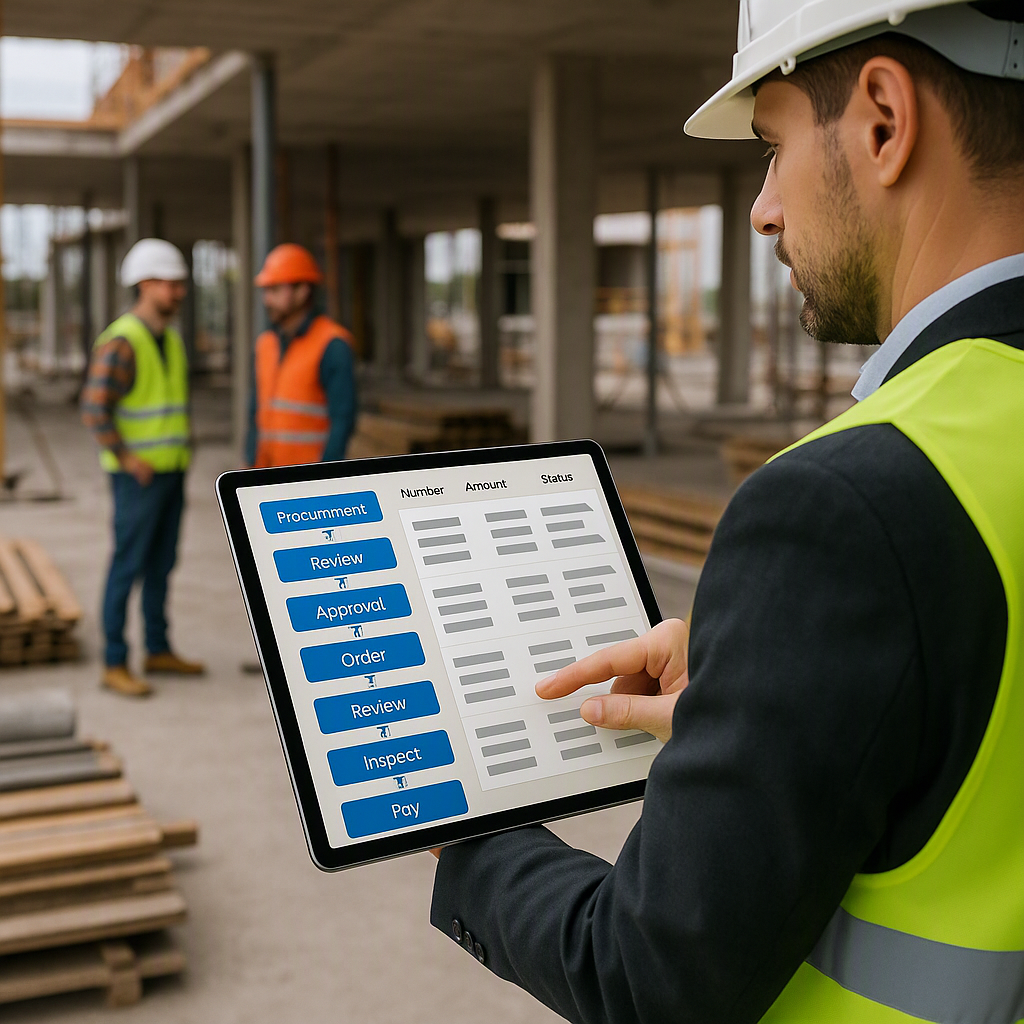
Are material requests (MRs) slipping through the cracks? Are you overpaying vendors because RFQs and POs aren’t properly tracked? This is a classic sign you’ve outgrown manual processes. A structured MR → RFQ → PO workflow isn’t just nice to have—it’s critical to staying profitable. Here’s a real example of how cloud ERP solves procurement chaos.
4. You’re Struggling with HR Across Multiple Sites
Tracking attendance, managing payroll, and allocating staff across multiple sites is a nightmare without the right tools. A cloud ERP streamlines attendance tracking, leave management, and payroll—even for GCC-specific requirements like WPS compliance. If you’re still juggling spreadsheets for this, you’re burning time and money.
5. Your Billing Is Missing Revenue
If you’ve ever lost money because a client wasn’t billed for extra work or materials, your billing system is failing you. JobNext supports six billing methods (RA Bills, stage-wise, monthly, etc.), ensuring nothing falls through the cracks. Read why ignoring cloud ERP leads to revenue leakage.
What to Look for in the Best Construction ERP
Not all ERPs are created equal. Here’s what matters most for contractors:
1. Unified Workflows Across Departments
Your ERP should replace disconnected systems. Look for a single platform that covers tendering, procurement, billing, HR, and finance. Switching between tools wastes time and creates errors.
2. Real-Time Data
If your ERP doesn’t give you real-time insights into project costs, it’s not worth it. Make sure you can track profitability across BOQs, scopes, and estimates.
3. Support for Multi-Site Operations
Whether you’re managing 3 sites or 30, your ERP should handle attendance, payroll, and resource allocation without breaking a sweat.
4. Construction-Specific Features
Generic ERPs won’t cut it. Look for modules built for contractors—like subcontractor management, equipment tracking, and multiple billing methods.
5. Cloud-Based and Scalable
On-premise systems are outdated. A cloud ERP gives you anywhere-access, automatic updates, and scalability as your business grows. Plus, it’s more cost-effective in the long run.
Still Skeptical? Let’s Talk Numbers
According to McKinsey, up to 80% of construction projects run over budget. The primary cause? Poor cost tracking and lack of coordination. A cloud ERP directly addresses this by integrating workflows and providing real-time data. Contractors using cloud ERP report up to 20% margin improvement within the first year of implementation.
Want proof? Here’s a real example from the JobsNext blog. It’s worth the read.
Final Thoughts: Don’t Wait Until It’s Too Late
If you’re seeing any of the five red flags we’ve outlined, it’s time to make a change. The longer you wait, the more money you’ll lose—plain and simple. The best construction ERP isn’t just a tool; it’s a lifeline for contractors navigating today’s competitive market.
Learn more about how JobNext can help you stop revenue leakage and grow profitably.
Ready to see JobNext in action?
Multi-tenant SaaS ERP for construction, facilities management, and contracting — covering preconstruction, project execution, procurement, HR & payroll, equipment, finance, and 150+ analytics reports.
Get Started Free →Learn more at JobNext.ai