Why Choosing the Right ERP Matters
Margins in construction are razor-thin. A single missed billing item or poorly tracked purchase order can wipe out a project’s profits. If you’re managing multiple sites, the problem multiplies. That’s why picking the right ERP isn’t just a tech decision—it’s a survival strategy.
But here’s the catch: not all ERPs are built for construction. Many systems claim they can handle your operations, but they’re either too generic or too rigid. So how do you avoid wasting months (and lakhs) on the wrong choice? Ask these five questions before you decide.
1. Does It Offer Real-Time Cost Tracking Across Projects?
If your ERP can’t show you where your money is going in real time, it’s not worth it. Construction projects are dynamic—materials, labor, and subcontractor costs can fluctuate daily. You need a system that tracks actual costs against your BOQ (Bill of Quantities) and estimates.
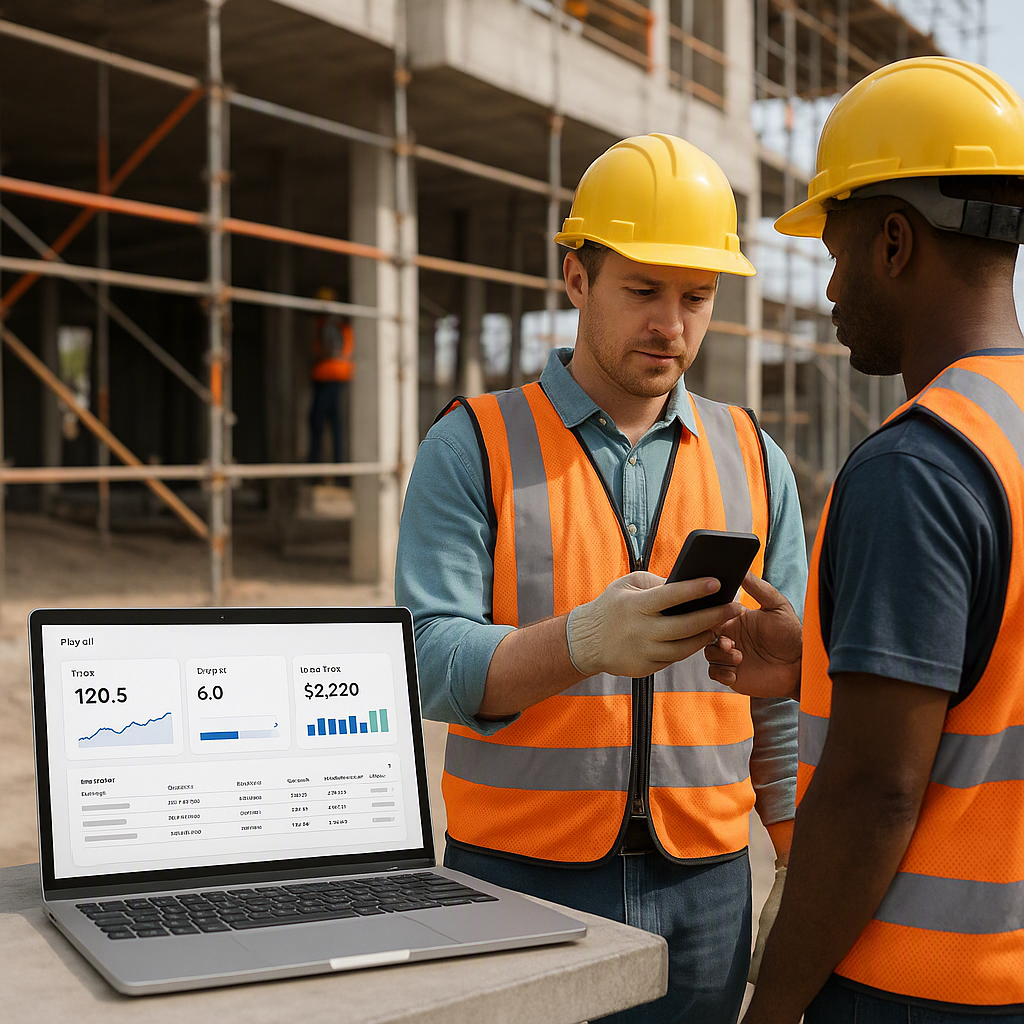
For example, JobNext offers project profitability dashboards that update in real time. It doesn’t just show what you’ve spent; it highlights where you’re overspending. This visibility is critical for stopping margin erosion before it’s too late.
Pro Tip: Look for ERPs with real-time dashboards, not just monthly reports. If you’re still waiting until the end of the month to find out you’re over budget, you’re already losing money.
2. How Well Does It Handle Multi-Site Operations?
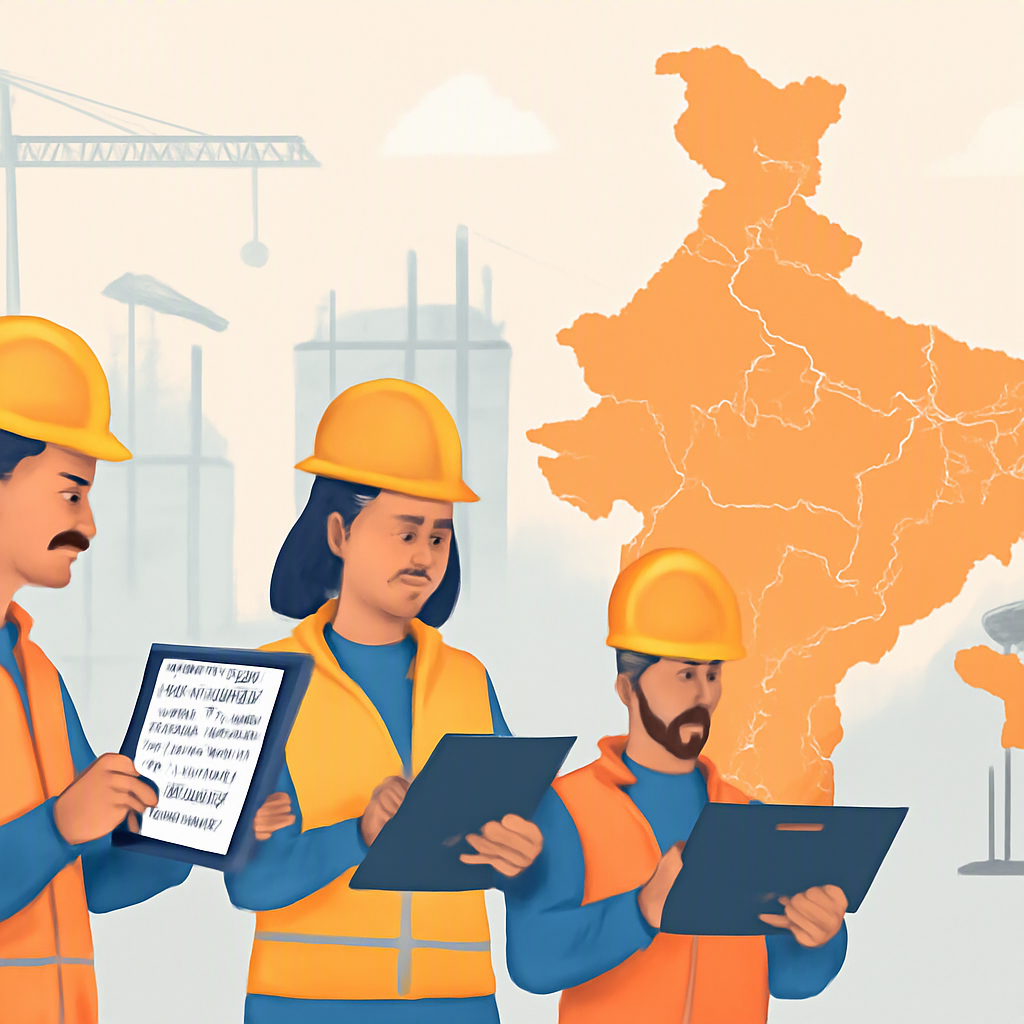
Most contractors juggle multiple projects across different locations. An ERP that doesn’t support multi-site attendance, payroll, and resource allocation will create more headaches than it solves.
Let’s say you have 200 workers spread across five sites. Tracking attendance manually? Good luck. You’ll likely miss payroll deadlines or overpay for phantom workers. A good ERP automates this. For instance, JobNext’s HR module consolidates attendance data from all sites and ties it directly to payroll. It even supports GCC-specific compliance like WPS (Wage Protection System).
3. Can It Handle Complex Billing Scenarios?
Construction billing isn’t one-size-fits-all. RA bills, stage-wise billing, supply BOQ, monthly invoicing—you name it. If your ERP can’t handle these, you’ll end up with revenue leakage.
Here’s a real-world issue: contractors often forget to bill for approved change orders. That’s money left on the table. JobNext solves this with its six billing methods, ensuring nothing falls through the cracks. This blog post explains how contractors using cloud ERP plug these leaks.
Pro Tip: Test the ERP’s billing module with real project scenarios. If it forces you into a rigid workflow, walk away.
4. Does It Simplify Procurement?
Procurement can make or break your project. Manual systems lead to missed RFQs, delayed POs, and vendor confusion. Your ERP should streamline the entire workflow—from material requests to purchase orders.
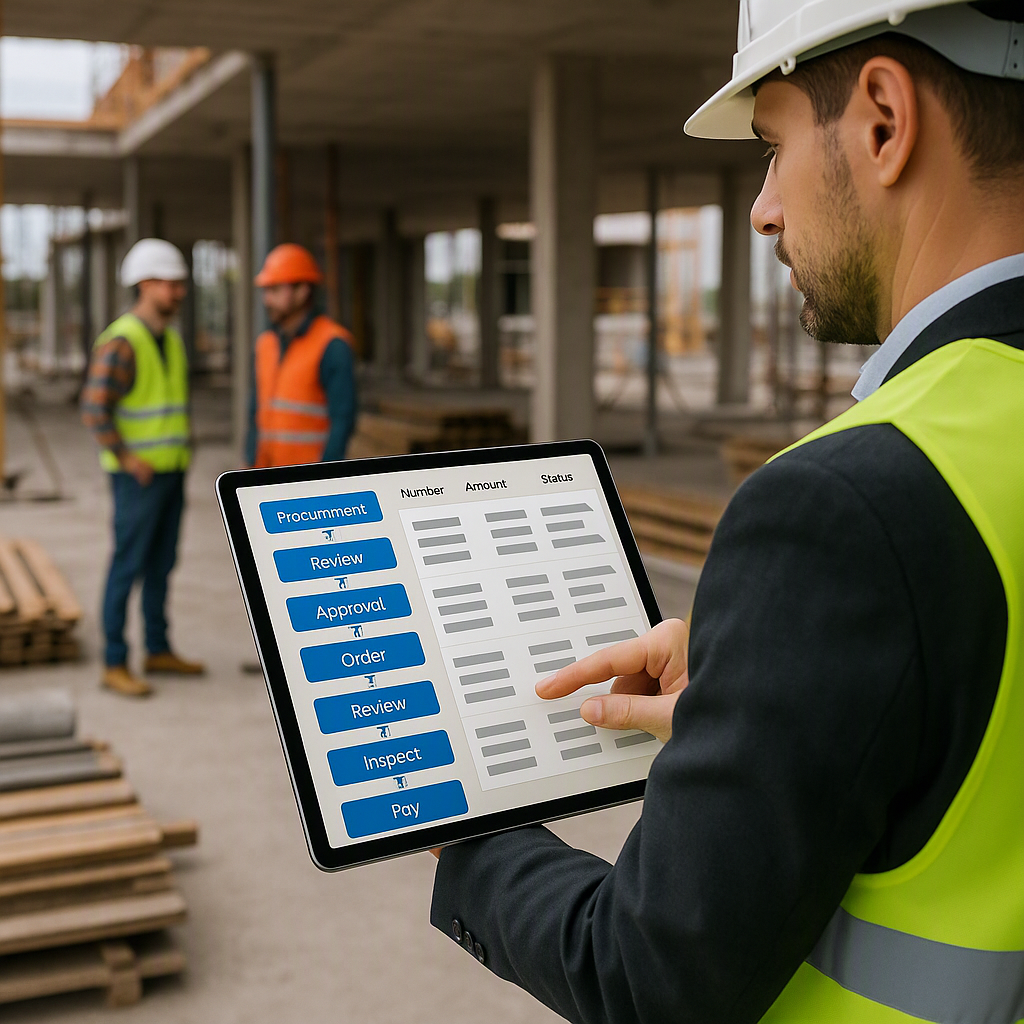
For example, JobNext’s procurement module follows a structured MR → RFQ → Vendor Offers → PO workflow. It even includes approval chains to prevent unauthorized purchases. As this case study shows, this kind of automation can save contractors 10-15% on material costs.
5. How Flexible Is It for Your Business?
No two contractors operate the same way. Your ERP should adapt to your processes, not force you into its mold.
Look for features like customizable BOQ hierarchies, role-based access, and multi-currency support if you operate in the GCC. JobNext, for instance, allows you to define your own BOQ/WBS structures and approval workflows. This flexibility ensures the system grows with your business, not against it.
Pro Tip: Ask vendors for a sandbox environment to test customizations before you commit.
Final Thoughts
Choosing the right construction ERP isn’t about picking the flashiest software. It’s about finding a solution that fits your operations and solves your specific challenges. Real-time cost tracking, multi-site management, flexible billing, streamlined procurement, and adaptability—these are non-negotiables.
If you’re evaluating ERPs for your business, don’t skip the details. And if you want to see how a purpose-built ERP like JobNext tackles these challenges, check out Why Contractors Using Cloud ERP Grow Faster: A Hard Truth About Margins.
Got questions? Share your experiences in the comments below. Let’s figure out what works best for your business.
Ready to see JobNext in action?
Multi-tenant SaaS ERP for construction, facilities management, and contracting — covering preconstruction, project execution, procurement, HR & payroll, equipment, finance, and 150+ analytics reports.
Get Started Free →Learn more at JobNext.ai