Why Most Contractors Bleed Margins
Let’s rip the band-aid off: most contractors are losing money where they least expect it. A 2020 report by McKinsey found that construction projects routinely run 20% over budget and 80% late. The main reason? Poor cost tracking. You can’t fix what you can’t see.
For contractors managing multiple sites, it’s even harder. When you’re juggling RA bills, subcontractor invoices, and material procurement across five projects, things slip. Miss a deadline for a client invoice, and cash flow tanks. Pay a subcontractor without measurement verification, and you’re in the red. This isn’t a small problem—it’s killing margins across the industry.
That’s why choosing the right construction ERP is critical. But not all ERPs are built for contractors. So how do you choose? Let’s get into it.
1. Real-Time Cost Tracking: The Non-Negotiable
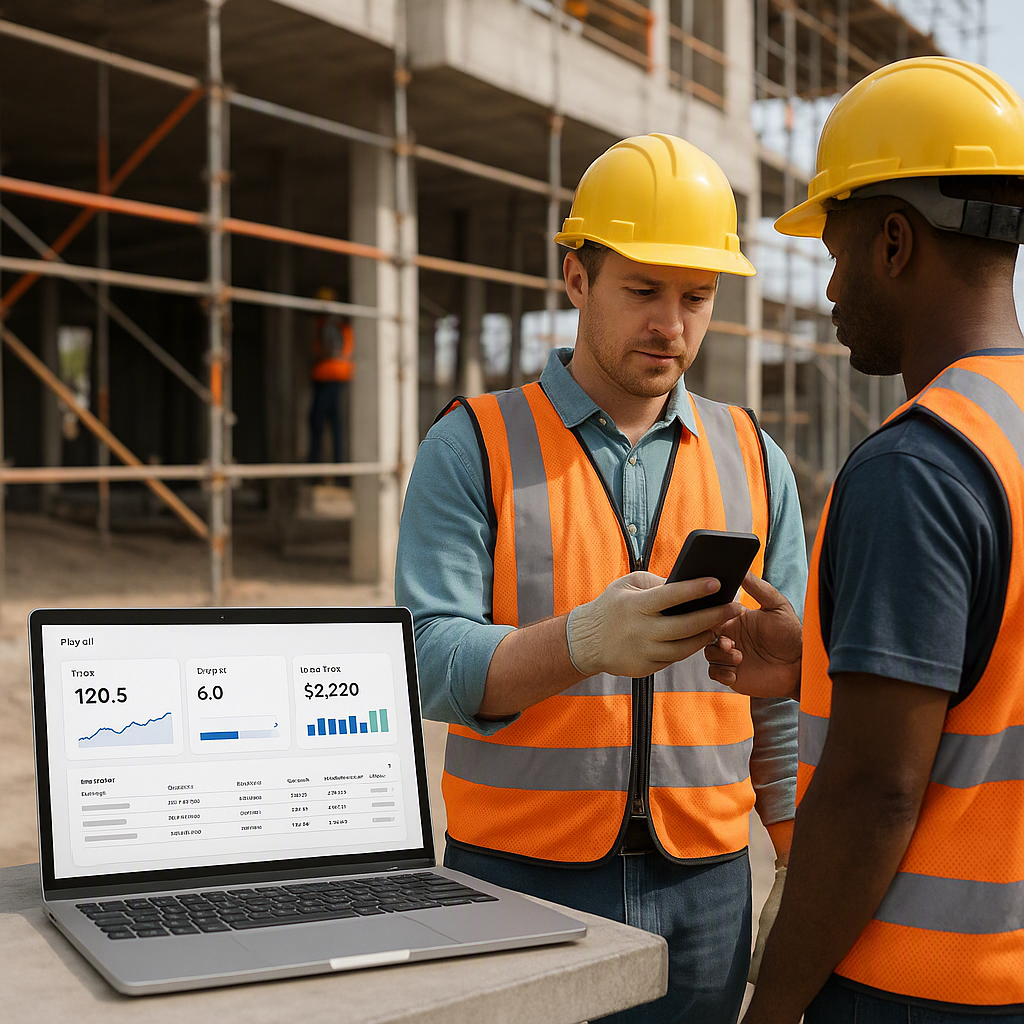
If your ERP doesn’t give you real-time visibility into costs, don’t bother. Most contractors rely on Excel sheets or disconnected tools for cost tracking, which means they’re always looking at outdated numbers. By the time you realize a project is over budget, it’s too late to fix it.
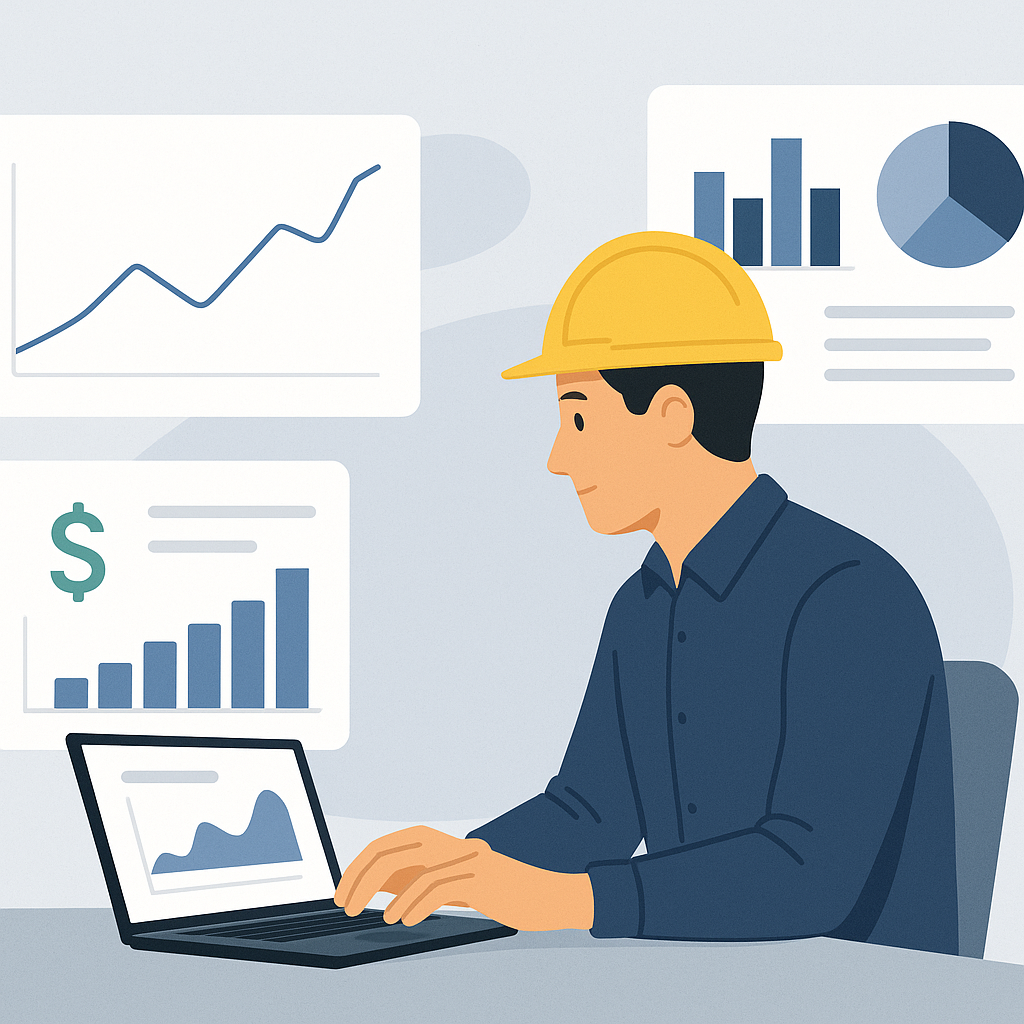
A good ERP will show you exactly where you stand—live. For example, JobNext lets you track project profitability in real-time across BOQs, scopes, and estimates. You can see if labor costs are creeping up or materials are being over-ordered before it becomes a problem.
Pro Tip: Look for dashboards that break down costs by WBS (Work Breakdown Structure) or BOQ (Bill of Quantities). If your ERP doesn’t integrate these, you’re flying blind.
2. Unified Workflows: Stop the Chaos
Here’s a common scenario: Your procurement team uses one tool, your billing team uses another, and HR is stuck in spreadsheets. Sound familiar? This fragmentation wastes hours every week and increases the risk of errors. It’s also why so many contractors struggle with margin erosion.
A unified ERP replaces these silos with a single platform. For example, JobNext combines procurement (MR → RFQ → PO), billing (6 billing methods), and HR (attendance, leave, payroll) into one seamless workflow. No more manual handovers or missed data. Everything’s connected.
Case in Point: One mid-sized EPC contractor in Oman saw a 15% reduction in overhead costs after switching to JobNext. Why? Fewer missed approvals and better accountability.
3. Measurement-Based Subcontractor Management
Subcontractor overruns are one of the biggest profit killers. Many contractors pay subcontractors based on estimated progress rather than verified measurements. The result? Overpayments and disputes.
The best ERPs fix this by tying subcontractor payments directly to verified progress. JobNext, for example, uses a structured workflow (WR → RFP → WO → Measurements) to ensure every payment is backed by data. Subcontractors only get paid for work that’s actually completed.
Reality Check: If your ERP doesn’t offer measurement-based payment controls, you’re leaving money on the table.
4. Compliance Without Headaches
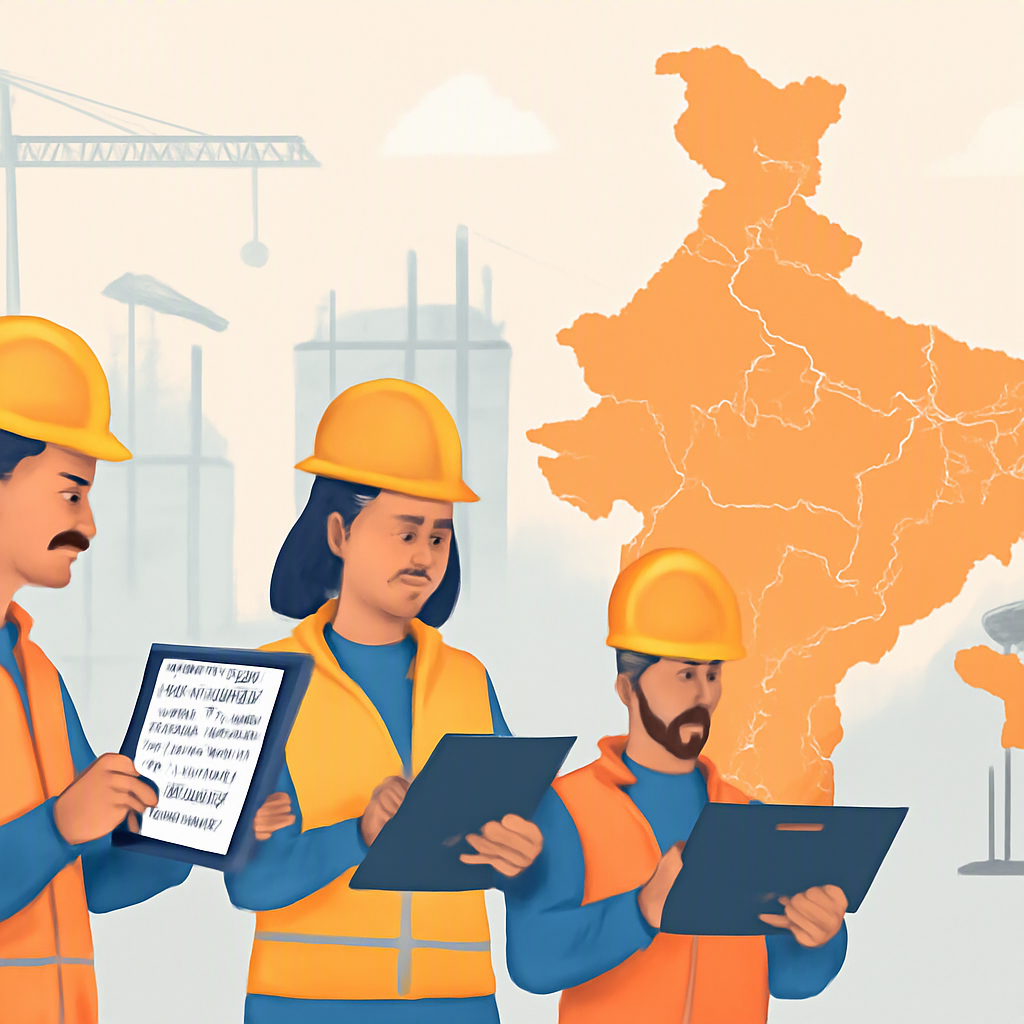
If you’re working in India or the GCC, compliance isn’t optional. Between GST, TDS, ESI, and PF in India, or WPS (Wage Protection System) in the UAE, there’s no room for error. Yet, many contractors still rely on manual processes to handle statutory deductions and filings.
A construction-specific ERP simplifies compliance. For instance, JobNext integrates directly with Tally for Indian statutory reporting. It also supports GCC payroll compliance, including WPS-ready salary files. This isn’t just about avoiding penalties—it’s about saving time and stress.
Pro Tip: Ask your ERP vendor if they handle region-specific compliance out of the box. If they don’t, move on.
5. Flexibility for Complex Billing
Construction billing isn’t one-size-fits-all. Depending on the project, you might need RA bills, stage-wise payments, or even monthly invoicing. If your ERP can’t handle these variations, you’ll end up managing billing outside the system—which defeats the purpose.
JobNext solves this with six billing methods built specifically for contractors. Whether you’re dealing with a supply BOQ or a one-time milestone payment, it’s covered. More importantly, it tracks every invoice to ensure nothing gets missed.
Example: A general contractor in Dubai recovered over AED 500,000 in missed revenue within six months of implementing JobNext’s billing module. Why? Because the ERP flagged unbilled RA work that had slipped through the cracks.
Final Thoughts
Choosing the best construction ERP isn’t just about software—it’s about survival. The right system helps you control costs, avoid revenue leaks, and stay compliant, even when you’re managing 10+ projects at once. But don’t just take my word for it. This post on JobNext’s blog breaks down exactly how contractors lose profits and what to do about it.
If you’re still using spreadsheets or outdated tools, now’s the time to make the switch. Your margins depend on it.
Ready to see JobNext in action?
Multi-tenant SaaS ERP for construction, facilities management, and contracting — covering preconstruction, project execution, procurement, HR & payroll, equipment, finance, and 150+ analytics reports.
Get Started Free →Learn more at JobNext.ai