Why Choosing the Right ERP Matters for Contractors
Margins are razor-thin in construction. If you're a contractor managing multiple sites, you know the pain of juggling disconnected spreadsheets, delayed approvals, and errors in billing. It's not just frustrating; it’s expensive. A poorly chosen ERP can make things worse, not better. So how do you avoid the trap? By asking the right questions upfront. Here’s how to get it right.
1. Does It Handle Multi-Site Attendance and Payroll Seamlessly?
For contractors in India or the GCC, managing payroll across sites isn’t just about cutting salaries. It’s about tracking attendance, compliance (PF, ESI, WPS), and ensuring every worker at every site is paid fairly and on time. Miss this, and you’re looking at unhappy workers or penalties that eat into margins.
Many ERPs will claim to manage HR, but ask for specifics. Can the system track attendance in real-time across multiple locations? Does it integrate with biometric devices or mobile apps for on-site workers? A tool like JobNext excels here—it simplifies multi-site HR operations, including statutory deductions and GCC payroll compliance. Why Contractors Lose Margins Without Cloud ERP (And How to Fix It) explains how such features stop profit leaks.
2. Can It Automate Procurement Workflows?
Procurement is chaos for most contractors. Ever lost an RFQ or delayed a PO because your team was buried in emails? That’s a margin leak waiting to happen. Look for an ERP that structures procurement from Material Request (MR) to Purchase Order (PO).
For example, JobNext uses a defined MR → RFQ → Vendor Offers → PO workflow. Every step is logged and trackable. No missed documents. No confusion. If your ERP can’t handle this, it’s not worth the investment. Why Contractors Struggle Without Cloud ERP: A Real Procurement Problem Solved dives deeper into how automation fixes procurement chaos.
3. Does It Have Real-Time Project Profitability Tracking?
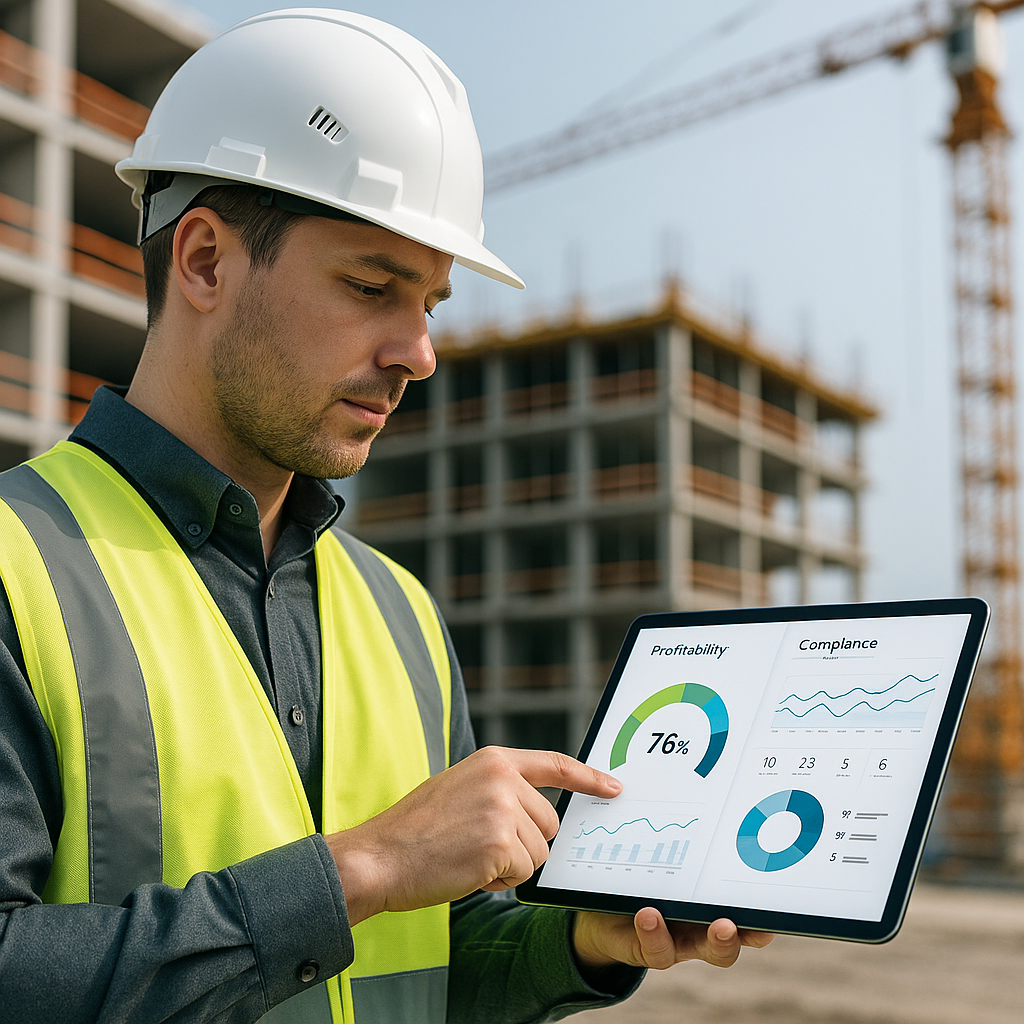
Think you’re tracking costs accurately? Most contractors aren’t. A report by McKinsey found that cost overruns plague 70% of projects. Why? Because the tools used can’t track project profitability in real time.
The right ERP should let you monitor profitability down to the BOQ line item. If you’ve ever been blindsided by unaccounted costs or delayed bills, this feature is non-negotiable. Tools like JobNext let you see exactly where your money is going—and where you’re bleeding. Why Contractors Lose Profits Without Cloud ERP (And How to Stop It) covers how real-time tracking prevents these surprises.
4. Can It Handle Complex Billing Scenarios?
RA bills, stage-wise billing, monthly invoicing—if your ERP can’t handle these, you’ll miss revenue. Contractors in the GCC often deal with RA bills that need precise approval workflows. A system that automates this process ensures you’re not leaving money on the table.
5. Is It Scalable for Growth?
Your ERP might work today, but what about tomorrow? If you’re planning to scale, your ERP should handle more projects, more workers, and more complexity without breaking down. Look for multi-tenant SaaS platforms—they’re built for growth.
6. Does It Simplify Compliance?
GST, TDS, WPS… compliance isn’t optional. A good ERP ensures you’re always audit-ready. JobNext integrates with Tally for statutory reporting, so there’s no last-minute scramble. If compliance feels like a headache now, the right ERP will turn it into a breeze.
7. What’s the Total Cost of Ownership?
Don’t just look at the sticker price. Factor in implementation, training, and ongoing support. A cheap ERP that needs constant fixes will cost more in the long run. Ask vendors for case studies or references to understand the real ROI.
Conclusion
Choosing the best construction ERP is about understanding your needs and asking the right questions. Get it wrong, and you’ll feel the pain in your margins. Get it right, and you’re setting up for sustainable growth. For a deeper dive into how cloud ERP can save your business, check out 5 Reasons Contractors in India Are Switching to Cloud ERP for Growth.
Ready to see JobNext in action?
Multi-tenant SaaS ERP for construction, facilities management, and contracting — covering preconstruction, project execution, procurement, HR & payroll, equipment, finance, and 150+ analytics reports.
Get Started Free →Learn more at JobNext.ai