Why Choosing the Right ERP Matters
Margins are tighter than ever in construction. If you’re running multiple projects across sites, you know how quickly things can spiral—a missed RA bill, an untracked subcontractor payment, or procurement delays. That’s why your ERP isn’t just software. It’s the backbone of your operations. But pick the wrong one, and it’ll cost you more than you save.
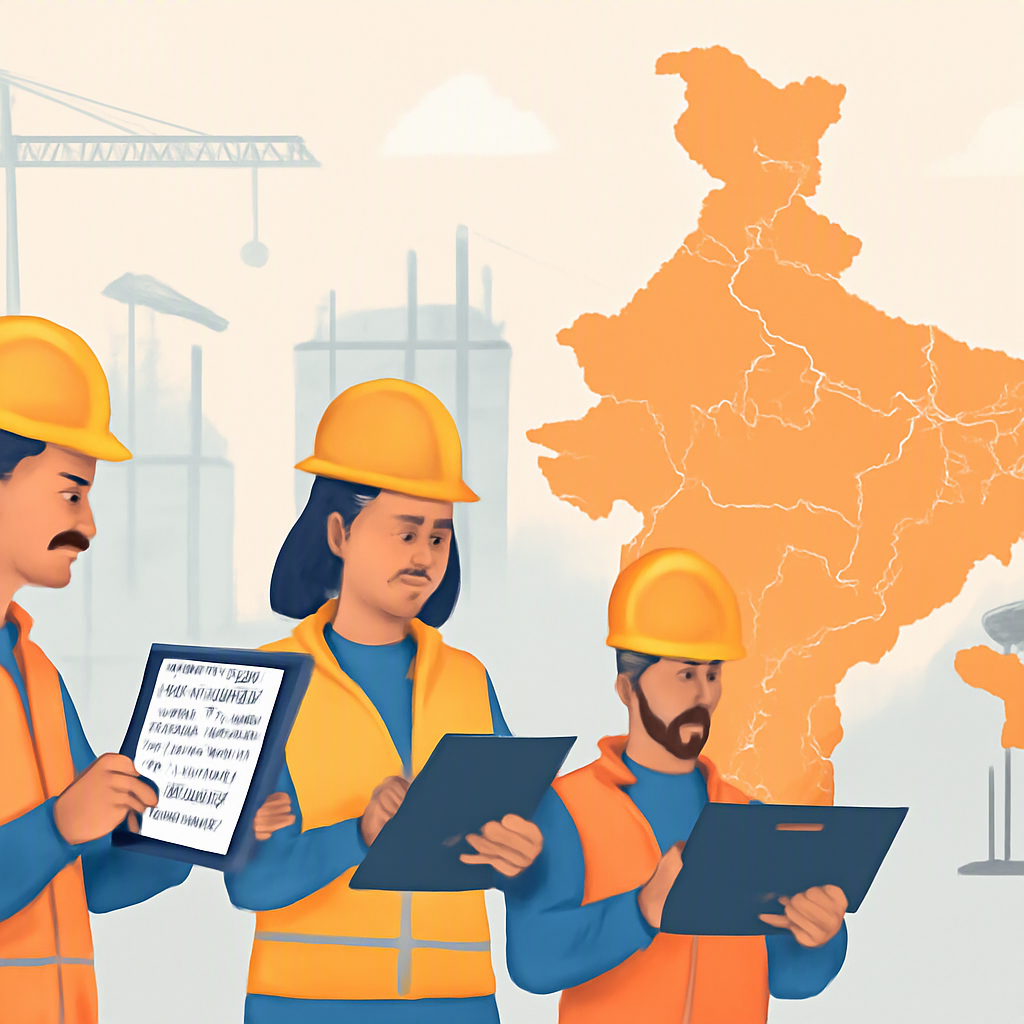
We’ve worked with dozens of contractors who learned this the hard way. One CEO told us they spent ₹25 lakhs on an ERP only to abandon it in two years. Why? It couldn’t handle multi-site attendance for their 800+ workers. Sound familiar?
Here are seven red flags to watch for when evaluating construction ERP software—and how to avoid them.
1. No Real-Time Cost Tracking
This is the single biggest reason contractors bleed margins. Imagine this: You’re halfway through a project, and an overrun on material costs blows past your BOQ estimates. But you only find out after the monthly review meeting. Too late to fix it.
A good ERP tracks project profitability in real time. For example, JobNext lets you monitor costs across BOQ line items, scopes, and estimates as they happen. If your ERP can’t do this, it’s not built for construction.
2. Limited Support for Multi-Site HR
Most contractors we speak with deal with chaotic attendance. Workers move between sites, managers send Excel sheets (or WhatsApp updates), and payroll errors are routine. If your ERP doesn’t support multi-site HR workflows—including attendance, leave, and payroll—you’re setting yourself up for frustration.
Case in point: A contractor in Oman told us they lost over ₹10 lakh in one year due to payroll errors. Their ERP couldn’t tie attendance to payroll for 1,200 workers. It’s why we emphasize systems that integrate HR with site operations. JobNext does this seamlessly by linking biometric attendance to payroll calculations.
3. Rigid Procurement Workflows
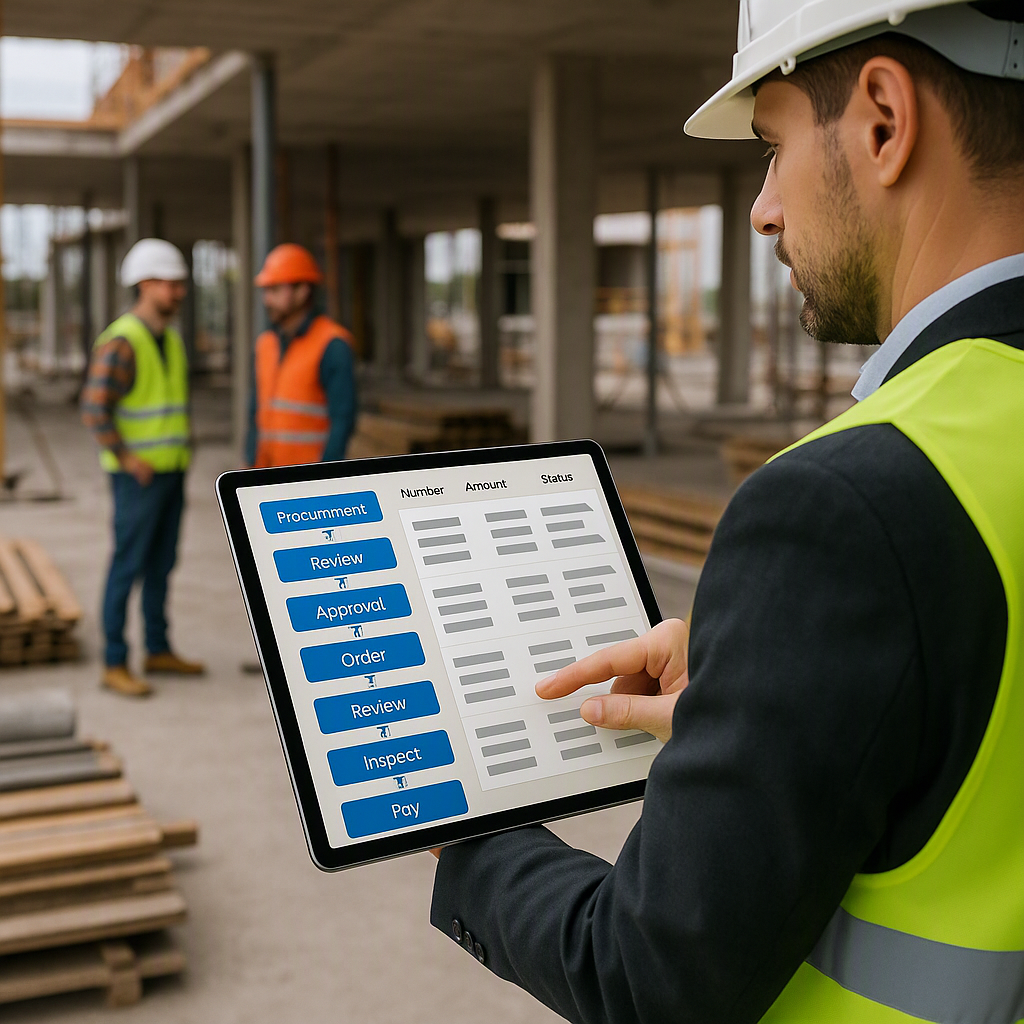
Procurement is where chaos breeds. Without a structured MR → RFQ → PO process, you’ll face missed vendor offers, delayed material, and cost overruns. Many ERPs claim to “support procurement” but don’t enforce workflows or approval chains.
The best systems ensure every purchase request follows a clear path. For example, JobNext includes approval workflows at every stage—so nothing moves without the right sign-off. If your ERP can’t give you this level of control, it’s a red flag.
4. Weak Subcontractor Management
Subcontractors are your partners, but they’re also a risk if you’re not tracking their progress and payments. A lot of contractors still rely on manual measurements or outdated Excel trackers. That’s a massive revenue leak waiting to happen.
Your ERP should link subcontractor payments to progress measurements. Systems like JobNext let you manage WR → RFP → WO → Measurements, ensuring payments are tied to actual work done. This isn’t optional—it’s essential.
5. No Compliance Automation
Compliance in India and the GCC is a minefield. GST, TDS, PF, ESI—the list goes on. If your ERP doesn’t handle statutory deductions, you’re wasting hours every month fixing payroll errors and filing corrections. Worse, you risk penalties.
Systems that integrate compliance (like JobNext) save time and reduce headaches. They automate GST/TDS filings, deduct PF/ESI accurately, and even sync with tools like Tally for reporting. If compliance isn’t automated, it’s a dealbreaker.
6. Poor Reporting and Dashboards
Let’s be honest: Most ERPs promise “customizable dashboards” but deliver clunky, outdated reports. How often have you exported data to Excel just to make sense of it?
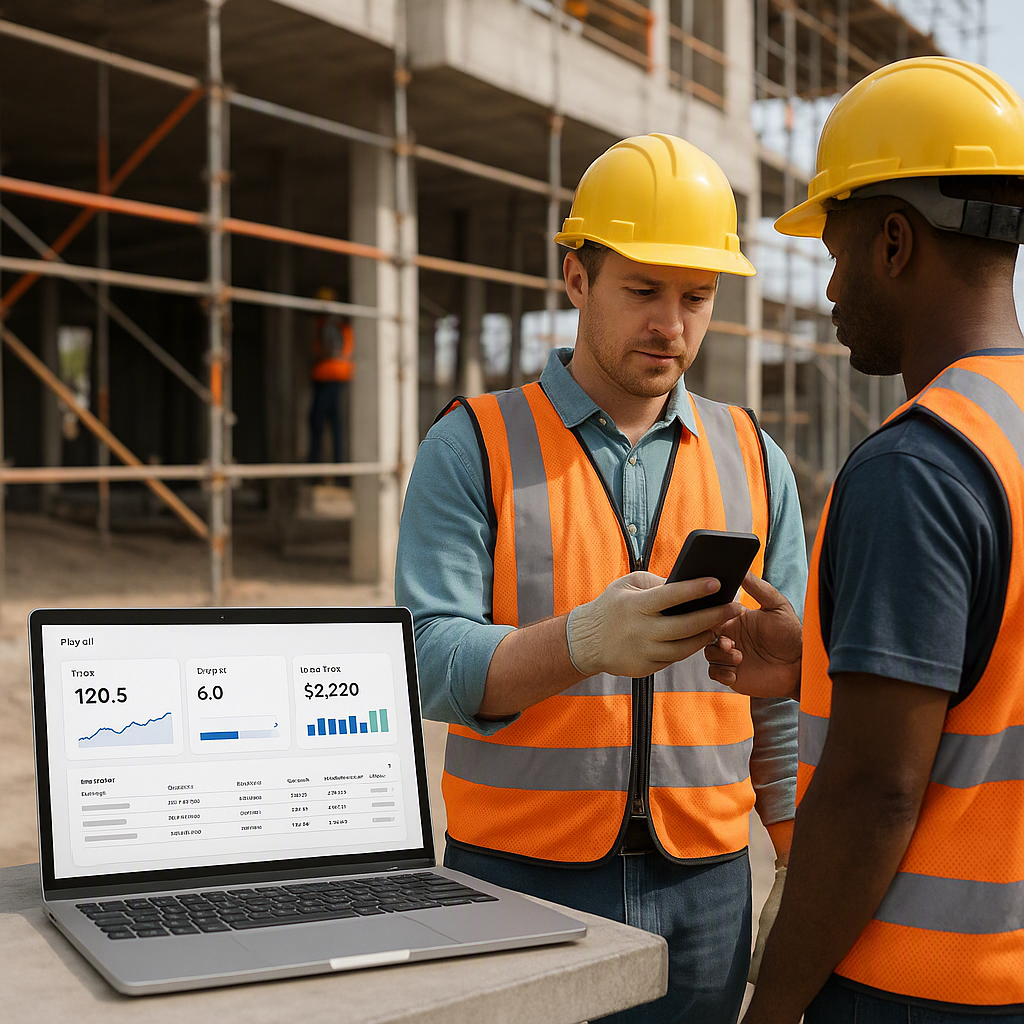
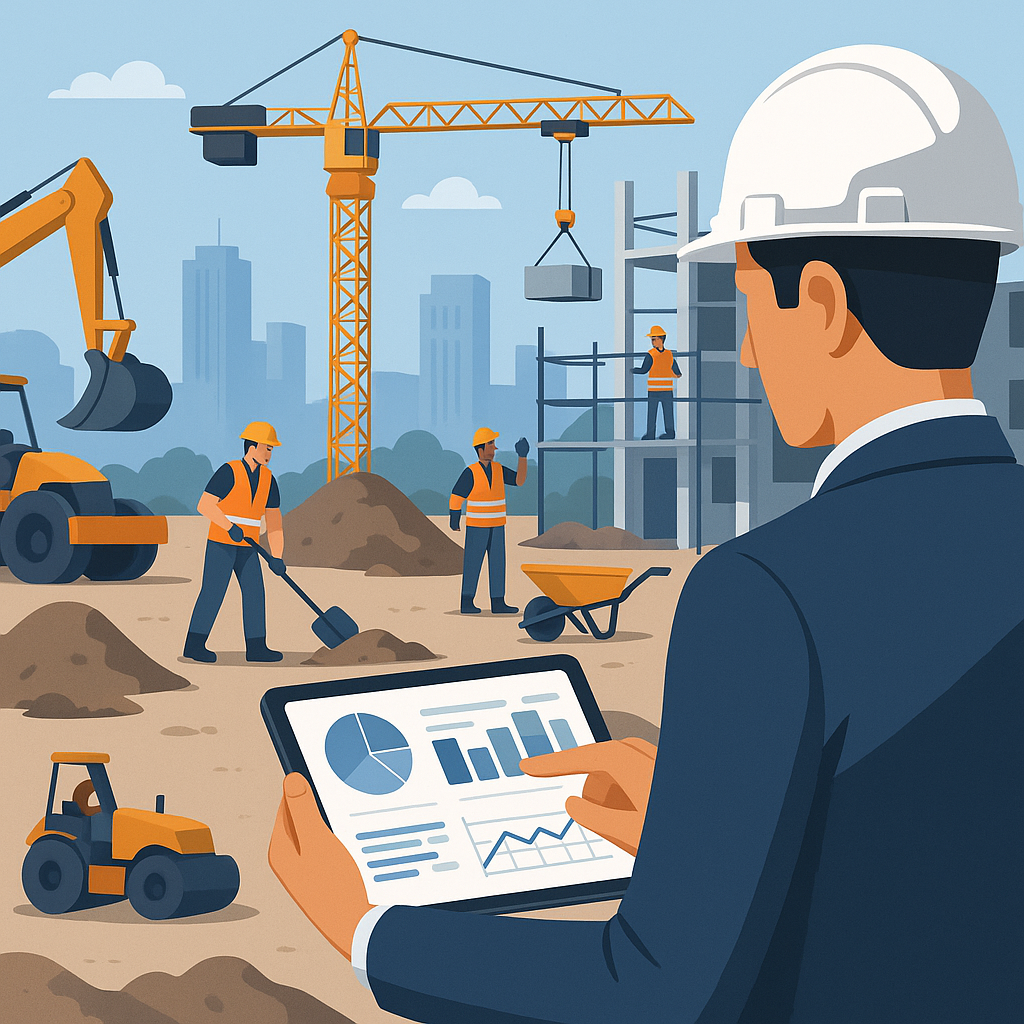
A solid ERP gives you real-time dashboards and pre-built reports that actually help you make decisions. JobNext, for example, offers 150+ SSRS reports across finance, projects, HR, and equipment. If reporting feels like an afterthought in your ERP, it’s the wrong system.
7. Lack of Scalability
This one’s sneaky. The ERP you choose today might work fine for 50 employees. But what happens when you scale to 500? Or 5,000? Look for systems that grow with you—multi-tenant SaaS platforms with role-based access, approval workflows, and document management.
We’ve seen contractors outgrow their ERP in just three years. Don’t make that mistake.
How to Start Your ERP Search
You might be thinking, “This sounds great, but where do I even begin?” Start by identifying your biggest pain points—cost tracking, procurement, HR, compliance. Then evaluate systems built specifically for construction.
And don’t fall for generic software that claims to “work for everyone.” Construction is unique. Your ERP should be too.
Want to learn more? Check out our deep dive on why contractors in India are switching to cloud ERP for growth. It’s packed with practical advice.
Final Thoughts
The best construction ERP isn’t just a tool. It’s a partner. Get it right, and you’ll save time, protect margins, and grow faster. Get it wrong, and you’ll spend years trying to recover.
JobNext is one option worth exploring. But whatever you choose, make sure it checks these boxes. Your margins depend on it.
Ready to see JobNext in action?
Multi-tenant SaaS ERP for construction, facilities management, and contracting — covering preconstruction, project execution, procurement, HR & payroll, equipment, finance, and 150+ analytics reports.
Get Started Free →Learn more at JobNext.ai