Understanding Margin Erosion in Construction
Margins in construction are notoriously slim. According to a KPMG Global Construction Survey, the average profit margin for contractors hovers around just 5%. That leaves very little room for error. Yet, cost overruns, unbilled work, and poor visibility into real-time numbers continue to drain profits.
Most contractors realize they’ve gone over budget when it’s too late—often after final invoices are raised. By then, the damage is done. Real-time project profitability tracking offers a proactive solution by identifying issues early, at the BOQ or resource level, before they spiral.
Why Real-Time Profitability Matters
Traditional cost tracking methods often compare actual spending against the budget at the end of a project. This backward-looking approach doesn’t allow for timely course correction. Real-time profitability tracking, on the other hand, enables contractors to monitor costs, progress, and profitability as they happen. This allows them to:
- Identify negative-margin work items early.
- Adjust procurement or labor allocations to stay on budget.
- Make informed decisions about project prioritization.
Illustrative example — A subcontractor’s work package might consume significantly more labor hours than estimated. Without real-time tracking, this issue might only be discovered after reconciliation. With real-time monitoring, contractors can reassign resources or renegotiate rates mid-project.
The Role of BOQ-Level Monitoring
The Bill of Quantities (BOQ) serves as the backbone of a project’s financials, tying every scope of work, material requirement, and resource allocation together. Real-time BOQ monitoring is one of the most effective ways to implement profitability tracking.
Key Components of BOQ Monitoring
-
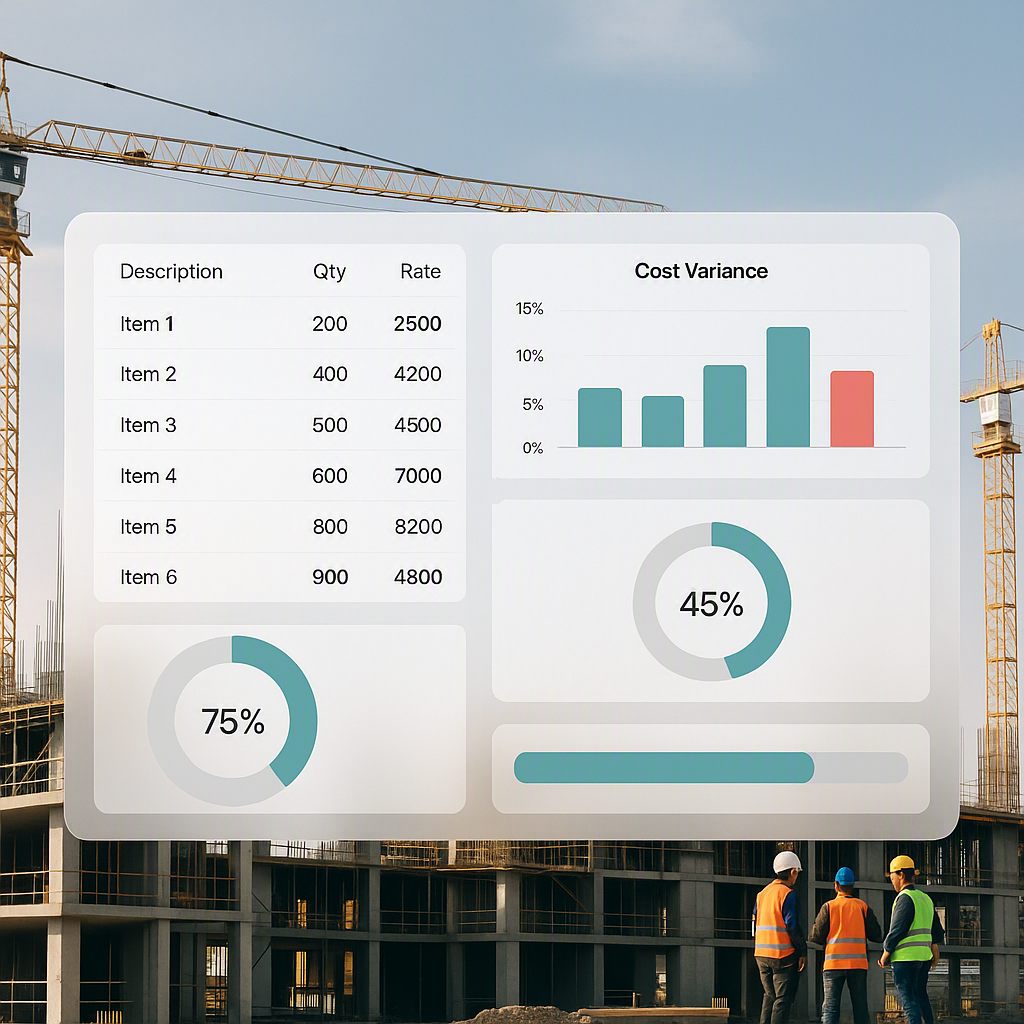
Rate Analysis Across Multiple Dimensions Real-time systems can compare quoted rates, billing rates, scheduled rates, budgeted rates, and actual cost rates. Variances are flagged immediately, enabling contractors to address discrepancies before they escalate.
Illustrative example — If the actual cost rate for steel reinforcement exceeds the scheduled rate, contractors can investigate procurement issues or adjust billing rates before the next invoice cycle.
-
Resource Reconciliation Reports These reports compare budgeted versus actual costs for key resource categories such as labor, materials, equipment, subcontractors, and overhead. High-level summaries highlight overspending, while detailed drill-downs trace issues to specific line items.
Tip: Regularly review resource reconciliation reports to ensure balanced working capital across projects.
-
BOQ Progress Reports Progress reports track the percentage completion of contracted quantities against invoiced amounts. Discrepancies can signal potential disputes or unbilled work, allowing contractors to address issues proactively.
Common Pitfalls in Profitability Tracking
Even with the right tools, contractors can face challenges. Here are three common pitfalls to avoid:
-
Ignoring Variance Reports Variance reports are only useful if acted upon. Make it a habit to review BOQ margin, BOQ progress, and resource reconciliation reports regularly.
-
Overlooking Small Overruns Minor overruns, such as a small percentage increase in material costs, can accumulate across multiple line items. Addressing these early prevents larger financial impacts.
-
Relying on Manual Data Entry Manual processes slow down decision-making and increase the risk of errors. Automated systems ensure data is timely and accurate, enabling effective real-time tracking.
FAQ
Q: How does real-time profitability tracking work across multiple projects?
A: Real-time systems consolidate data from all active projects into a single dashboard. Contractors can view aggregated profitability metrics or drill down into specific projects, BOQs, or resource categories.
Q: What if subcontractors don’t provide timely measurements?
A: Measurement approval workflows can enforce discipline by tying subcontractor payments to verified progress. This ensures timely data submission.
Q: Does real-time tracking require expensive hardware?
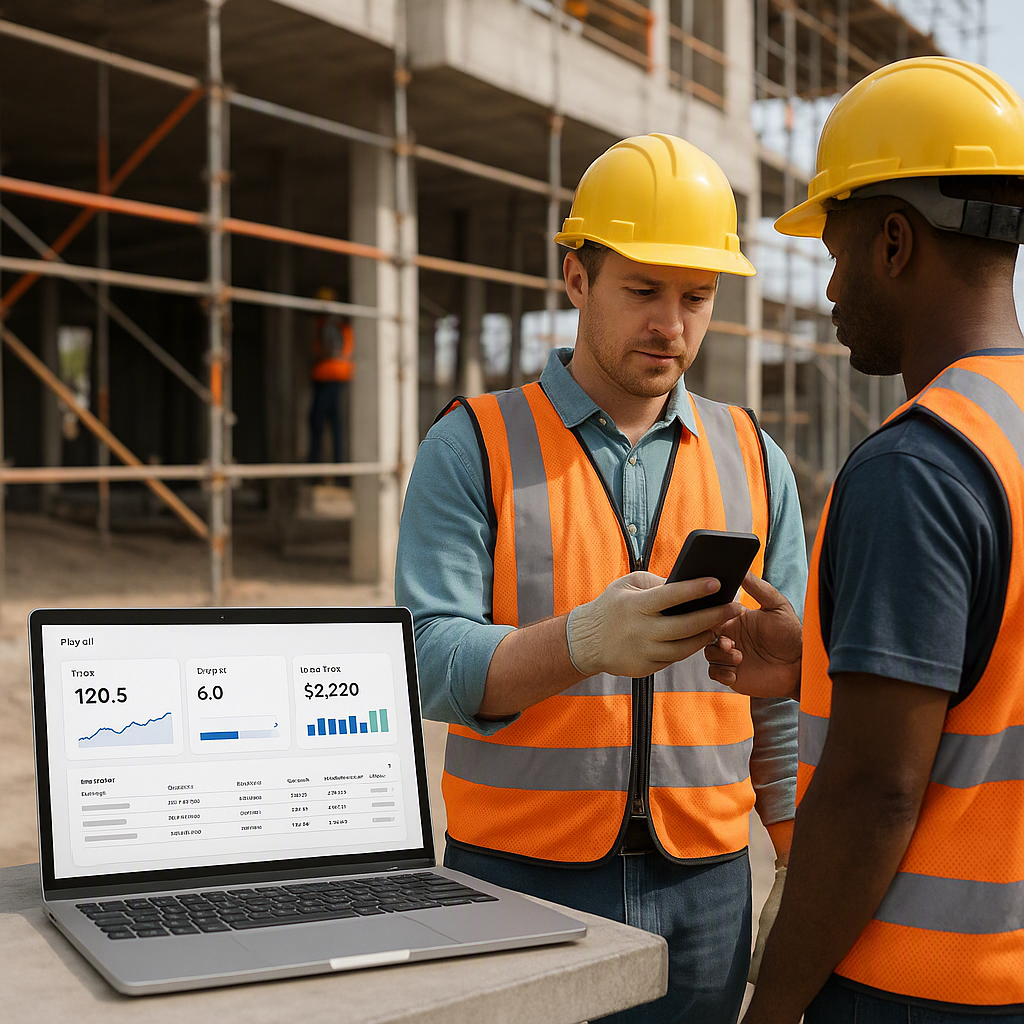
A: No. Many construction ERPs are cloud-based and accessible from any device, allowing field teams to log data through mobile apps without additional infrastructure.
Conclusion
Real-time profitability tracking is essential for protecting margins in today’s competitive construction market. By monitoring costs and progress at the BOQ level, contractors can make smarter decisions, avoid surprises, and keep projects on track.
If margin erosion is a recurring problem for your business, consider exploring tools that integrate BOQ analysis, resource reconciliation, and progress tracking to catch issues early—before they impact your bottom line.
Learn more at JobNext.ai