Executive Summary
Choosing the right ERP for your construction business isn’t just about features—it’s about survival. Margins in construction are razor-thin, often below 10% on average, according to IBEF. Yet contractors routinely lose up to 20% due to poor cost tracking and billing errors. If you’re managing multiple projects across sites, manually piecing together profit numbers isn’t sustainable. You need an ERP that gives you real-time visibility into project profitability.
The Real Problem: Margin Erosion
Let’s start with what’s killing contractors: margin erosion. You think a project is profitable, but at the end of the month, you’re scrambling to figure out how material overruns, subcontractor payments, and unbilled work swallowed your margins. If you’re using separate systems for procurement, billing, and HR, this problem gets worse.
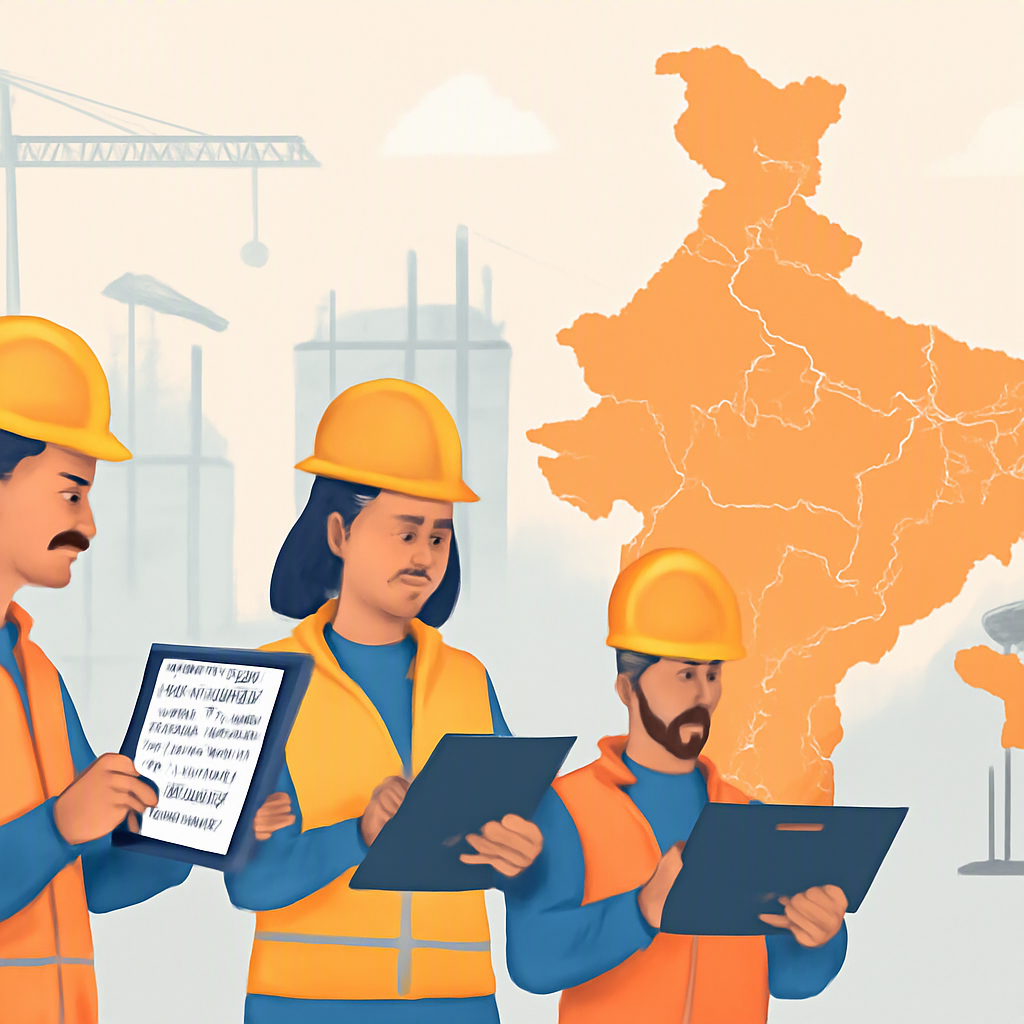
According to Construction World, the lack of unified cost tracking is why most mid-sized contractors in India and the GCC struggle to grow. The obvious fix is a construction ERP that integrates everything—BOQ tracking, billing, procurement, and payroll—into one platform.
But not all ERPs are created equal. Let’s break it down.
What to Look For in a Construction ERP
1. Real-Time Profitability Tracking
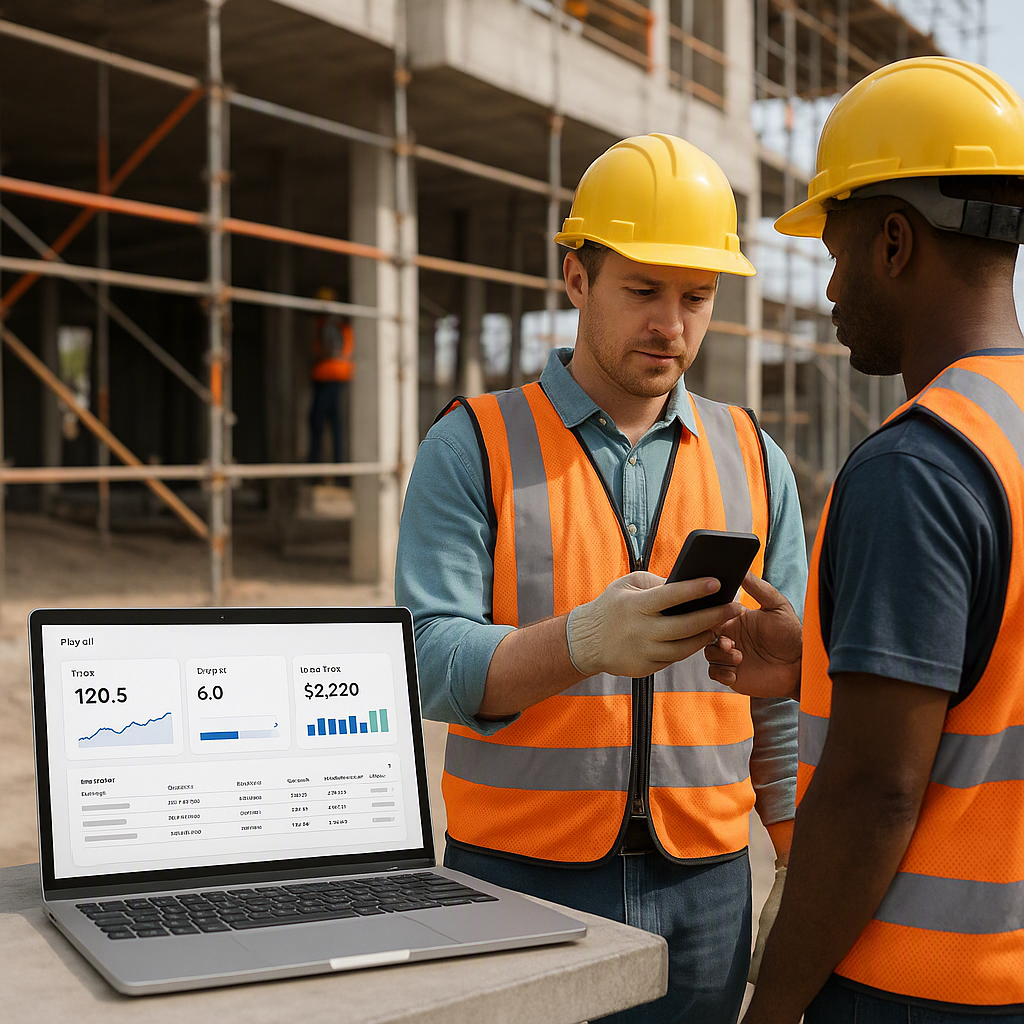
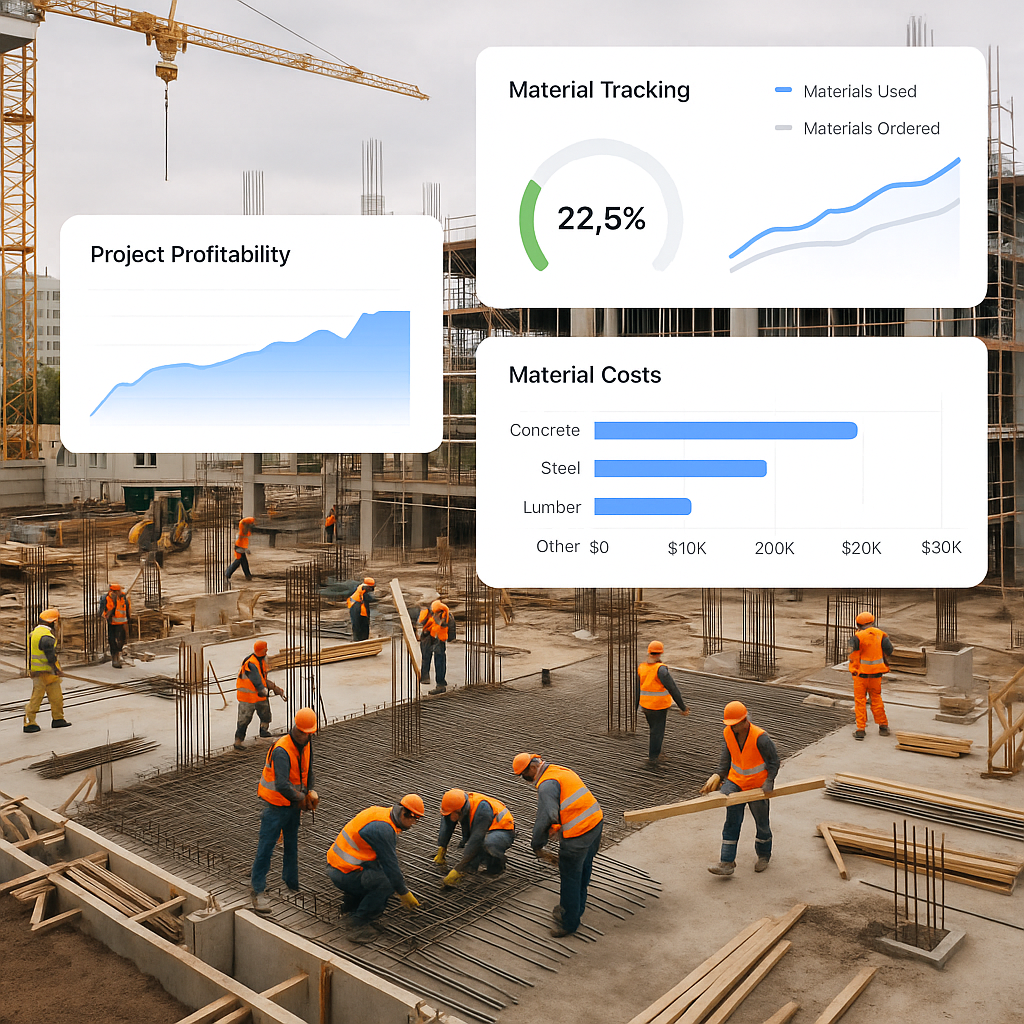
If your ERP doesn’t show you where you’re making or losing money, it’s useless. A good ERP tracks costs against your BOQs and scopes in real time. For example, JobNext offers dashboards that show project profitability by material usage, subcontractor progress, and billing status. This means you can spot margin leaks before they drain your profits.
2. Unified Systems
Disconnected systems are chaos. An ERP should replace your separate tools for tendering, procurement, billing, and payroll. Why? Because every delay in syncing data costs you money. For instance, a missed RFQ can delay material delivery, which cascades into subcontractor downtime. This blog explains how JobNext automates the procurement workflow—from MR to PO—so nothing slips through.
3. Multi-Site HR Management
Managing field workers across multiple sites is a nightmare without the right tool. Contractors often face payroll discrepancies, missed attendance, and compliance risks. Look for an ERP with attendance tracking, payroll automation, and statutory compliance built in. JobNext, for example, supports GCC-specific requirements like WPS payments.
4. Flexible Billing Methods
Construction billing isn’t one-size-fits-all. RA Bills, stage-wise billing, BOQ-based, or monthly? Your ERP should handle all of it seamlessly. Otherwise, revenue leakage is inevitable. JobNext has six billing methods built in, ensuring every scope is billed—and paid.
The Cost of Choosing Wrong
You might be thinking, “Do I really need all this? My current system works fine.” But here’s the hard truth: contractors who skip cloud ERP are losing money. According to McKinsey, digital tools improve productivity by up to 15%. Without them, you’re not just stagnating—you’re bleeding margins.
Case Study: How One Contractor Stopped Margin Erosion
A mid-sized MEP contractor in the UAE switched to JobNext after losing 12% of project margins in 2022. Their problem? They couldn’t track subcontractor measurements or reconcile material usage with BOQs. Within six months of onboarding JobNext, they recovered over AED 500,000 in lost margins. The key? Real-time dashboards that flagged material overruns and billing gaps early.
Conclusion: Don’t Wait Until You’re Losing Money
The best construction ERP isn’t just a tool—it’s a safety net. It stops margin erosion, connects your systems, and gives you visibility into every rupee or dirham spent. If you’re serious about scaling your business, start by fixing your cost tracking. And if you’re not sure where to begin, read this guide on stopping revenue leakage.
Ready to see JobNext in action?
Multi-tenant SaaS ERP for construction, facilities management, and contracting — covering preconstruction, project execution, procurement, HR & payroll, equipment, finance, and 150+ analytics reports.
Get Started Free →Learn more at JobNext.ai