Why Margins Collapse Before You Even Notice
Margins in construction are tight, and they get tighter when costs creep out of control. The challenge is that many contractors don’t realize they’re losing money until it’s too late. Often, by the time a project is 80% complete and the BOQ (Bill of Quantities) is reconciled, the damage has already been done.
The primary issue is outdated cost tracking methods. Contractors relying on monthly reconciliations, spreadsheet-heavy processes, or gut feel often find themselves reacting to problems instead of preventing them. By the time the numbers are reviewed, cost overruns may have already eroded profitability.
The solution? Real-time cost tracking. Specifically, BOQ margin analysis is a practical tool for keeping project profitability in check.
The Problem with BOQ Blind Spots
Your BOQ is the foundation of project costing. It outlines every item, its quantity, and its rate. However, its effectiveness depends on your ability to track cost changes against it. Procurement price shifts, labor cost increases, or unexpected subcontractor claims can silently erode your margins.
Illustrative example — Suppose you’ve budgeted ₹1,200 per cubic meter for concrete in your BOQ. When you make the actual purchase, the market rate has increased to ₹1,350 per cubic meter. Without real-time tracking, you might not realize how this variance affects your project profitability until the reconciliation stage — by which time it’s too late to make adjustments.
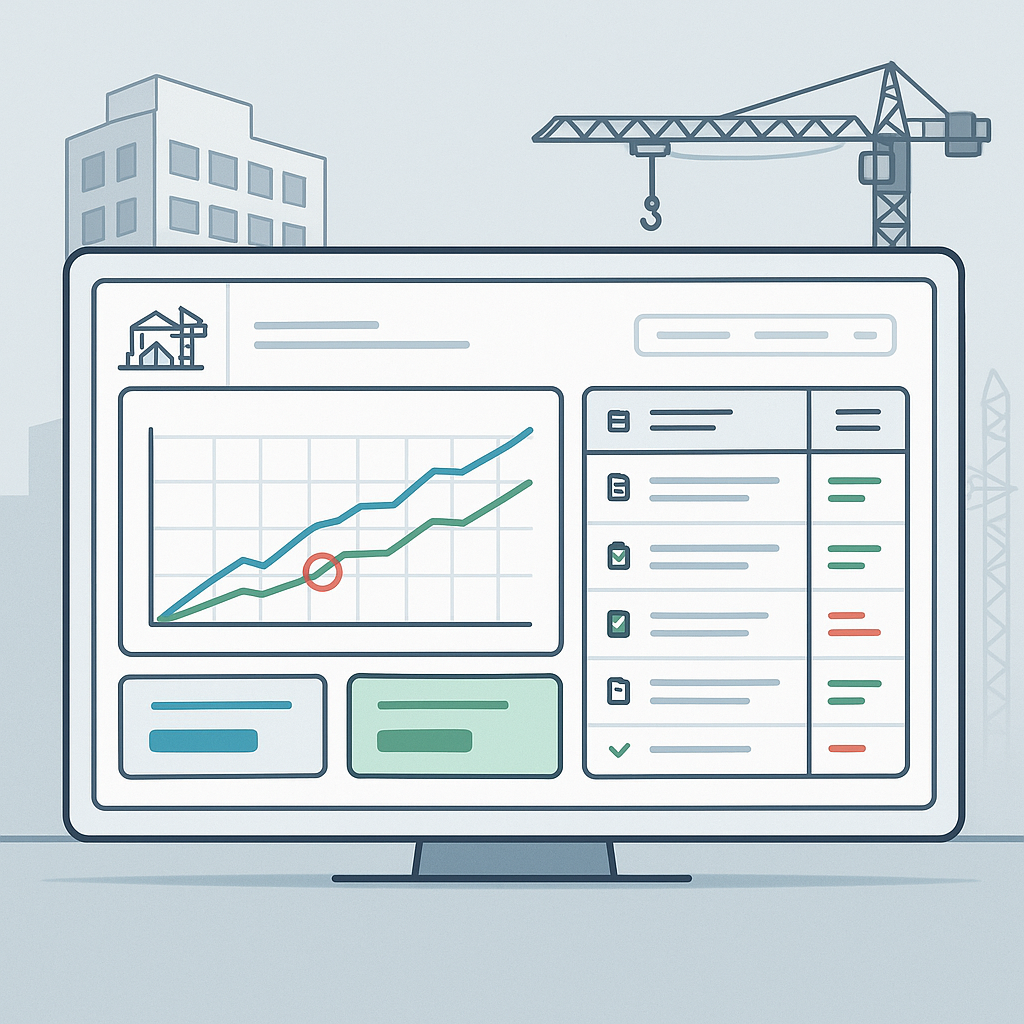
Real-time BOQ margin analysis addresses this by comparing the quoted rate, actual cost rate, and invoiced rate for every BOQ item as the project progresses. This allows you to catch variances early and take corrective action.
How Real-Time Cost Tracking Changes the Game
Real-time cost tracking tools offer several features that help contractors avoid common margin pitfalls:
-
BOQ Rate Analysis: Tracks critical cost dimensions for each BOQ item, such as quoted rate, billing rate, scheduled rate, budgeted rate, and actual cost rate. Variances are flagged immediately, enabling timely action.
-
Resource Reconciliation: Compares actual versus budgeted costs for labor, materials, equipment, subcontractors, and overheads. This provides a clear view of discrepancies as they occur, rather than waiting for month-end reports.
-
BOQ Margin Report: Analyzes profit margins by comparing contracted values against actual costs. This allows contractors to identify and address negative-margin items promptly.
Illustrative example — A contractor noticed that tile installation costs were higher than expected due to an increase in adhesive prices. By running a weekly BOQ Margin Report, they identified the issue early and switched to a more cost-effective supplier, mitigating further losses.
Why Spreadsheets and Gut Feel Don’t Work Anymore
Construction projects have become more complex, and margins are thinner than ever. A single mistake, such as underestimating subcontractor costs, can wipe out profits for an entire project.
Spreadsheets provide static snapshots in a dynamic environment. By the time data from site engineers, finance teams, and procurement departments is consolidated, the situation may have already changed. Real-time tracking platforms, on the other hand, update procurement costs, labor hours, and subcontractor claims continuously, ensuring that BOQ costs and profitability forecasts remain accurate.
Common Mistakes to Avoid
1. Ignoring Small Variances
Small cost overruns can add up significantly. For example, a minor increase in the cost of plywood per unit might seem negligible but can result in substantial losses across large quantities. Real-time tracking ensures no variance goes unnoticed.
2. Overlooking Subcontractor Costs
Subcontractors often submit variation claims that can inflate costs unexpectedly. Always reconcile subcontractor bills against your BOQ before approval.
3. Focusing Only on Labor Costs
Materials, equipment, and overheads contribute just as much to cost overruns. A comprehensive cost tracking system monitors all resource categories, not just labor.
FAQ
Q: How often should I review my BOQ margins?
A: Weekly reviews are ideal. Waiting until the end of the month often means catching issues too late to address them effectively.
Q: Can small contractors afford real-time cost tracking tools?
A: Yes. Many cost tracking tools are designed to be accessible for contractors of all sizes, and the savings from catching overruns early often outweigh the investment.
Q: What’s the biggest risk of not using real-time tracking?
A: The biggest risk is margin erosion from unchecked cost variances. Contractors may believe they are profitable until the final reconciliation reveals otherwise.
Conclusion
Real-time BOQ cost tracking is essential in today’s construction environment. Margins are under constant pressure from rising material costs, unpredictable labor rates, and subcontractor claims. By adopting tools that provide visibility into cost variances as they happen, contractors can protect their profits and avoid unpleasant surprises.
If you're ready to take control of your project margins, consider exploring real-time cost tracking solutions.
Learn more at JobNext.ai